





Definition & Meaning
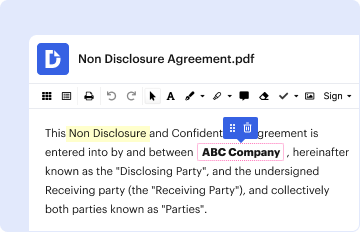
The form "Step 1: Basic Information" is often the initial phase in various document completion processes, typically aimed at gathering essential personal or organizational details. This foundational step is crucial for setting the stage for more detailed documentation, ensuring that all subsequent information is accurately linked to the correct entity. The exact nature of the form can vary widely, but it generally includes information such as names, addresses, and contact information. This step ensures that the documentation process begins with accurate, necessary data to avoid errors throughout the remainder of the form.
Steps to Complete the Form
-
Gather Required Information: Before beginning, collect all necessary information such as full legal names, current mailing addresses, and contact numbers. This preparation facilitates a smoother completion process.
-
Enter Primary Details: Fill in fields for personal information, ensuring names are entered exactly as they appear on official identification documents.
-
Verify Contact Information: Double-check phone numbers and email addresses for accuracy to ensure seamless future communication related to the form.
-
Review and Confirm: It is crucial to review all entered information to identify and correct any discrepancies before moving on to the next steps.
-
Save or Submit: Based on the instructions of the specific document, save your progress to avoid data loss, or proceed to submit if it is an online form.
Key Elements of the Form
- Full Name: Essential for identity verification. Confirm spelling and order match legal documents.
- Address: Current and complete residential or business address required for correspondence.
- Contact Details: Phone numbers and email addresses to facilitate ongoing communication.
- Social Security Number or Business Tax ID: Often required for tax-related forms to ensure the correct entity is being referenced.
Required Documents
To accurately complete Step 1, certain documents may be necessary. These can include:
- Driver’s license or state ID for verifying identity details.
- Recent utility bill or lease agreement for address verification.
- For businesses, documents like a business license or tax ID number may be required.
These ensure the information provided is both accurate and verifiable, reducing delays in subsequent steps due to misinformation.
Legal Use of the Form
Completing "Step 1: Basic Information" has legal implications, especially in forms associated with taxes, employment, or contractual agreements. The information entered must be truthful and verifiable to avoid legal repercussions such as fines or litigation. Misrepresenting information intentionally can lead to accusations of fraud or misrepresentation.
State-by-State Differences
While "Step 1: Basic Information" is generally consistent across various jurisdictions, specific differences may occur based on state regulations. For instance, some states may require additional forms of verification, such as notarization or state-specific identification numbers. Always check local requirements to ensure compliance with particular state mandates.
Business Types that Benefit Most
Different business entities use this form for varied purposes.
- Sole Proprietorships benefit by establishing a clear identity and contact for tax and regulatory purposes.
- LLCs and Corporations often complete this step as part of regular compliance submissions.
- Non-profits use this to ensure the proper recording of organizational details for grants and sponsorships.
Digital vs. Paper Version
The method for completing "Step 1: Basic Information" can vary between a digital or paper-based format:
-
Digital Formats: These are faster to complete, automate verification, and are easier to store and access.
-
Paper Formats: Though more traditional, they offer an alternative for those without access to digital tools or for official purposes requiring a hard copy.
These differences can determine the speed and efficiency of form processing and subsequent steps.


