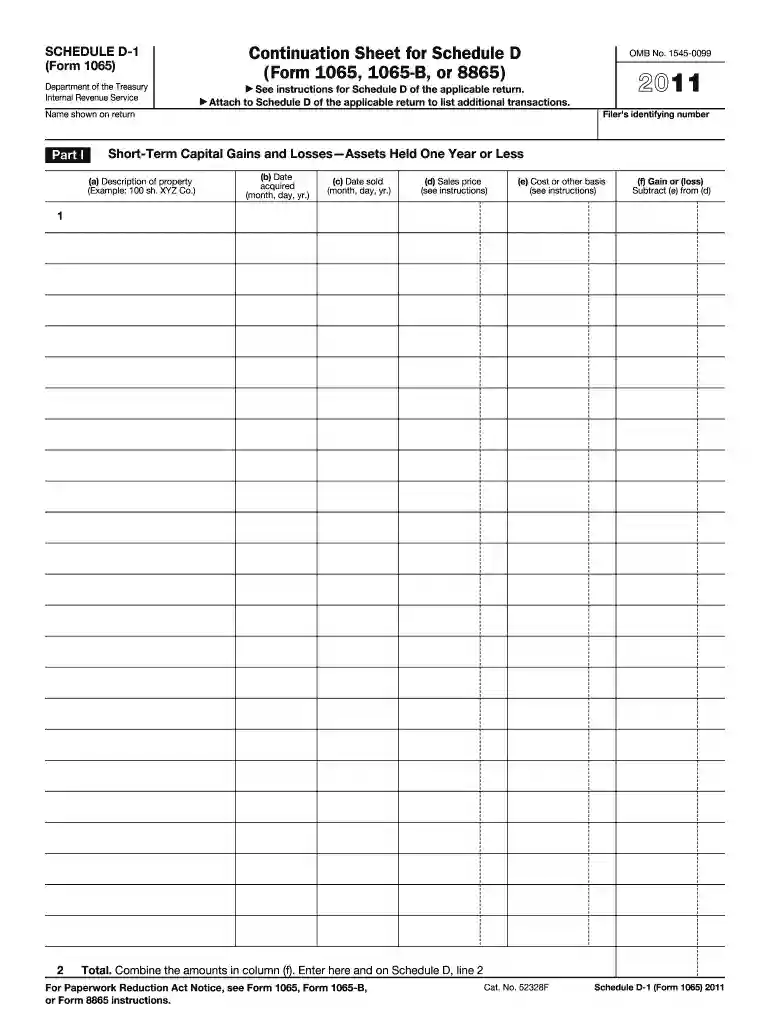
Definition and Purpose of Schedule D and 8 Form
The Schedule D and 8 form are integral components of tax filing for individuals and businesses reporting capital gains and losses. Schedule D is specifically designed to report short-term and long-term capital gains and losses from asset transactions. This is crucial for anyone who has engaged in the sale or exchange of property, securities, or any capital assets during the tax year.
The Form 8453 serves as an electronic signature document that allows for the submission of electronic tax returns, ensuring compliance with IRS e-file regulations. It acts as a verification form, authorizing electronic submission of income tax returns to the IRS and includes details such as the taxpayer's personal information and the details of the third-party preparer, if applicable.
How to Use the Schedule D and 8 Form
Gather Necessary Information:
- Collect all relevant documents indicating transactions involving capital assets.
- Ensure you have access to all purchase and sale records including dates, prices, and any incidental costs.
Fill in Schedule D:
- Start by entering short-term capital gains and losses. Use IRS instructions to determine correct chronological entries.
- Proceed with long-term capital gains and losses, ensuring that all figures are accurate.
- Calculate net gains or losses by aggregating short-term and long-term totals.
Complete Form 8453:
- Enter personal information including taxpayer identification number.
- If a third-party preparer is involved, fill in preparer's information and obtain an authorization signature.
- Ensure all sections are completed and verify accuracy against supporting documents.
File Electronically:
- Attach the completed Form 8453 when electronically filing your tax return.
- Submit your Schedule D as part of the complete tax return package via electronic filing systems.
Steps to Complete the Schedule D and 8 Form
Document Capital Transactions:
- Record all sales and purchases of capital assets in detail, including the date of acquisition and disposal, sales proceeds, and cost basis.
Determine Gains or Losses:
- Compute the difference between the proceeds from the sale and the original purchase cost to determine gain or loss.
- Distinguish between short-term (held for one year or less) and long-term (held for more than one year) based on the holding period.
Summarize on Schedule D:
- Enter calculated short-term and long-term gains or losses into the appropriate sections.
- Follow IRS instructions on netting and carryover rules if applicable.
Sign and Submit Electronically:
- Complete and sign Form 8453, ensuring all electronic filing fields are accurately filled.
- Submit alongside your e-filed tax return to ensure compliance.
Key Elements of Schedule D and 8 Form
- Property Description: Each transaction entry must detail the property or asset type.
- Acquisition and Disposal Dates: Accurate dates ensure correct short-term or long-term classification.
- Cost Basis and Sale Proceeds: Crucial for determining accurate gains or losses.
- Net Gains/Losses Calculation: Important for final tax implications and determining tax liability or refund.
Common Scenarios Requiring Schedule D and 8 Form
Individual Investors
- Those who have sold stocks, bonds, or mutual funds must complete Schedule D to report their transactions.
- Investors employing strategies such as day trading should be meticulous in capturing all required transactional data.
Real Estate Sales
- Taxpayers involved in the sale of real estate holdings apart from personal residences will need to report gains or losses arising from these transactions using Schedule D.
Businesses with Asset Sales
- Corporations or partnerships disposing of fixed assets must report these via Schedule D, ensuring figures align with financial statements.
IRS Guidelines for Schedule D and 8 Form
- Adherence to Deadlines: Ensure timely submission by the tax filing deadline, typically April 15th, to avoid penalties.
- Accuracy of Reporting: Double-check the accuracy of all reported transactions and taxpayer information to avoid errors and potential audits by the IRS.
Online Submission
- Most efficient method is electronic submission through authorized IRS e-file providers or software compatible with forms such as TurboTax or QuickBooks.
Physical Submission
- Although less common today, paper submissions involve mailing printed forms to designated IRS addresses. Form 8453 must then reflect electronically filed returns, acting as verification of submission.