





Definition and Purpose of the Transaction Dispute Form
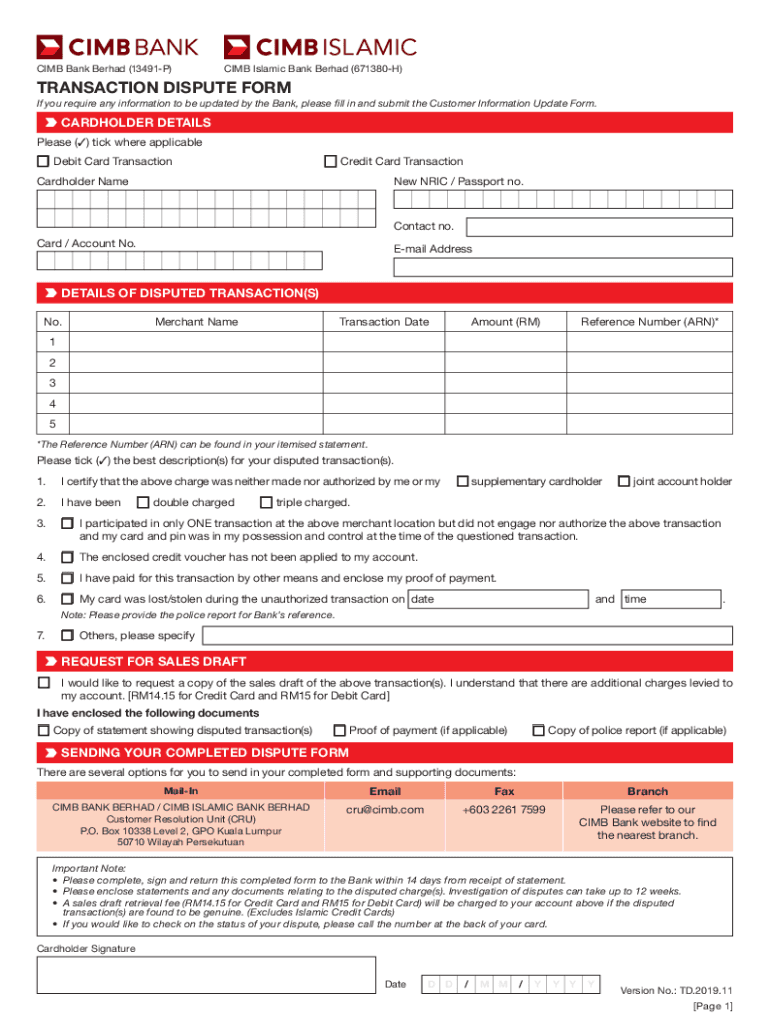
The transaction dispute form is a critical document used by cardholders to report unauthorized or disputed transactions on their debit or credit accounts. Its primary purpose is to help consumers formally request a review of questionable transactions with their financial institution. This form is crucial for maintaining financial integrity and ensuring that cardholders are not held responsible for fraudulent or incorrect charges. In addition to detailing the nature and circumstances of the disputed transactions, the form facilitates communication between the cardholder and the issuing bank, aiding in the resolution process.
How to Use the Transaction Dispute Form
Cardholders can use the transaction dispute form to formally contest transactions they believe are unauthorized or erroneous. Here’s a step-by-step guide:
-
Review Transactions: Examine your monthly statement carefully to identify any unauthorized transactions.
-
Complete Personal Information: Fill in the necessary personal details, such as your name, address, account number, and card details.
-
Specify the Disputed Transactions: Clearly list each disputed transaction, providing details such as the date, merchant name, transaction amount, and the reason for the dispute.
-
Provide Supporting Documentation: Attach any relevant documentation that supports your claim, such as receipts, transaction records, or correspondences with the merchant.
-
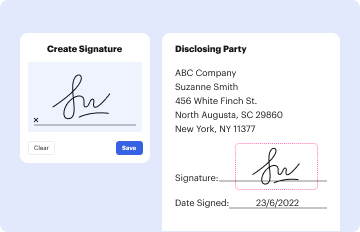
Sign and Date the Form: Ensure you sign and date the document to validate your dispute submission.
-
Submit the Form: Follow the submission instructions as detailed by your bank, which may include mailing, faxing, or uploading the form via an online portal.
How to Obtain the Transaction Dispute Form
Cardholders can typically obtain the transaction dispute form from several sources:
- Bank’s Official Website: Most banks provide downloadable forms on their websites.
- Physical Bank Branch: Forms may be available at local bank branches where customer service representatives can assist you.
- Customer Service: Contact your bank’s customer service department to have the form sent by mail or email.
- Online Banking Platform: Log into your bank’s online banking platform where forms may be accessible.
Key Elements of the Transaction Dispute Form
Understanding the critical components of the transaction dispute form ensures accurate completion:
- Cardholder Information: Details such as the account holder's full name, contact information, and account number.
- Transaction Details: A breakdown of each contested transaction including date, amount, and description.
- Dispute Reason: A section where the cardholder clarifies why the transaction is being disputed.
- Additional Comments: Space for any other relevant information that may assist in resolving the dispute.
- Signature Line: A mandatory field where the cardholder authenticates the information provided by signing and dating the form.
Steps to Complete the Transaction Dispute Form
Effectively filling out the transaction dispute form involves several steps:
- Gather Information: Collect all pertinent information related to the disputed transactions.
- Fill Out Personal Details: Enter your personal and banking information accurately.
- Document Transactions: List and describe each disputed transaction clearly.
- Explain Dispute: Provide a detailed explanation and any necessary context for the dispute.
- Attach Evidence: Include copies of any documents that support your claim, such as billing statements or emails.
- Double-Check Information: Review the completed form to ensure all information is accurate and complete.
- Submit the Form: Deliver the form to your bank via the method specified, ensuring you meet any submission deadlines.
Legal Considerations and Compliance
Completing a transaction dispute form involves certain legal considerations:
- Compliance with Bank Requirements: Ensure that the form is filled out according to the bank's guidelines to avoid delays in processing.
- Time Limits: Be aware of statutory deadlines for filing a dispute, as these vary by state and financial institution.
- Data Protection: Handle your personal and financial information securely to prevent misuse.
- Authorized Signatory: Only the account holder or an authorized representative should complete and sign the form.
Required Supporting Documents
Providing the right documentation strengthens your transaction dispute claim:
- Bank Statements: To highlight the disputed entries.
- Receipts and Proof of Purchase: Indicating the nature and details of authorized transactions.
- Emails or Correspondence: Any communication with the merchant regarding the transaction.
- Photo Identification: If needed to verify the cardholder's identity.
Submission Methods for the Transaction Dispute Form
Banks offer various avenues for submitting the transaction dispute form:
- Online Submission: Some banks offer portals for uploading the form digitally.
- Postal Mail: Mail the completed form to a specified bank address.
- Fax: Send the form using a provided fax number.
- In-Person Submission: Visit a branch and submit the form directly.
Understanding these varied methods will ensure successful delivery and timely initiation of the dispute resolution process.