




01. Edit your form online
Type text, add images, blackout confidential details, add comments, highlights and more.

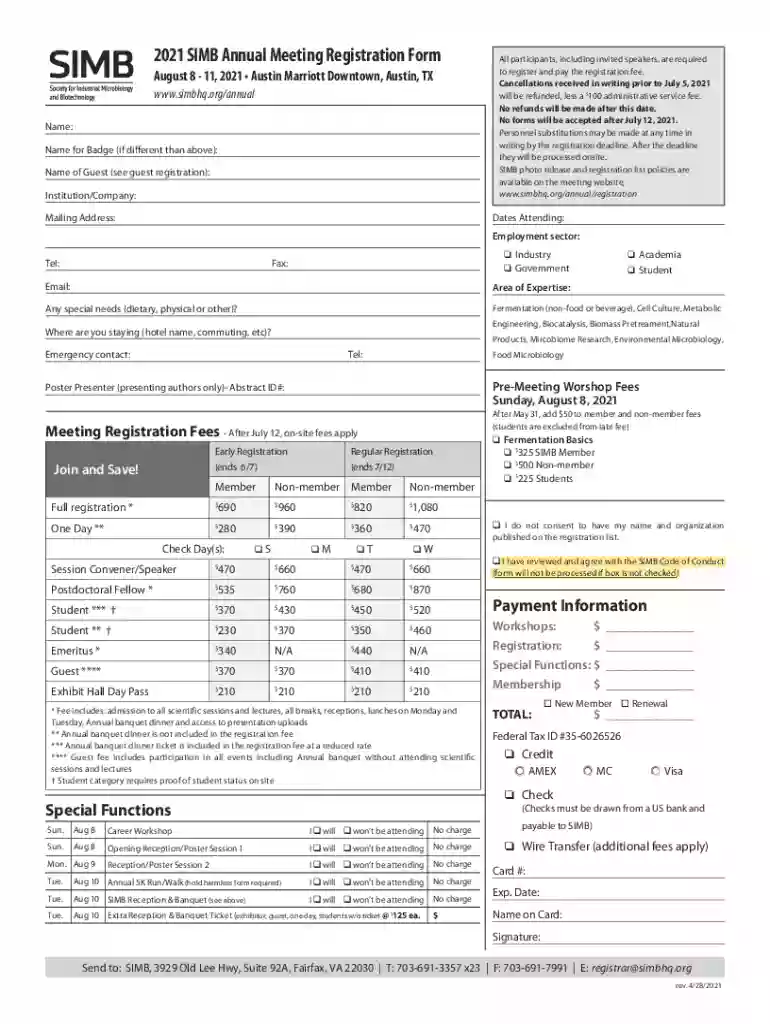
Type text, add images, blackout confidential details, add comments, highlights and more.

Draw your signature, type it, upload its image, or use your mobile device as a signature pad.

Send it via email, link, or fax. You can also download it, export it or print it out.
The "Privacy Policy ArchiveMolecular Devices" serves as an archival document which details the privacy policies related to Molecular Devices. These policies are essential for understanding how personal information is collected, processed, used, and protected by the organization. Privacy policies are crucial for compliance with data protection regulations and ensuring transparency with users about their data rights and the organization’s data handling practices.
Archiving privacy policies allows organizations to maintain historical records of changes in data handling practices over time. This is useful for auditing purposes and in cases where past versions need to be reviewed for regulatory compliance or legal inquiries. For instance, a comparison of versions might be needed to resolve a dispute or clarify obligations under older regulations that were in effect at the time of the data collection.
To effectively utilize the privacy policy archives, users should familiarize themselves with how the document is organized. Archived policies may be arranged chronologically, allowing users to track the evolution of privacy terms. It's important to identify specific sections relevant to current data practices or historical points of interest, like policy updates linked to legislative changes.
Organizations and individuals should use these archives to conduct research or analysis regarding data protection practices. By understanding the development of data policies, businesses can fine-tune their compliance strategies, ensuring they align with best practices and informed perspectives.
While not a form to fill out, interacting with the archive involves specific steps for understanding and analysis:
Ensure that any notes or analysis you conduct on archived policies are well-documented, citing specific versions and sections for clarity and future referencing.
Understanding these archives is pivotal for anyone involved in data security and compliance. It provides insights into how privacy practices have adapted to technological advances, legal requirements, and societal shifts regarding data privacy.
Familiarity with certain terminology is essential for making sense of archived policies:
In a situation where a data subject queries their historical data rights, understanding these terms helps clarify the organization’s responsibilities as outlined in the policy versions reviewed.
Essential components within privacy policies usually include:
These elements collectively inform both internal and external parties about a company's commitment and approach to data privacy, influencing trust and compliance.
Failure to abide by historical privacy terms as they were relevant can lead to severe penalties, especially if obligations were violated knowingly or negligently. Understanding past requirements may protect against retrospective liabilities.
For example, if an organization failed to notify data subjects of a change in data use terms during the timeframe set out in an older privacy policy, it might face fines or legal action from data protection authorities.
When dealing with privacy policy archives, consider the format in which they are kept:
Businesses should ensure that digital records of their privacy policy archives are maintained securely, with paper copies as backups where legal processes demand physical documentation.
We've got more versions of the Privacy Policy ArchiveMolecular Devices form. Select the right Privacy Policy ArchiveMolecular Devices version from the list and start editing it straight away!
At DocHub, your data security is our priority. We follow HIPAA, SOC2, GDPR, and other standards, so you can work on your documents with confidence.


