





Definition & Meaning of the DSC-IND Application Form
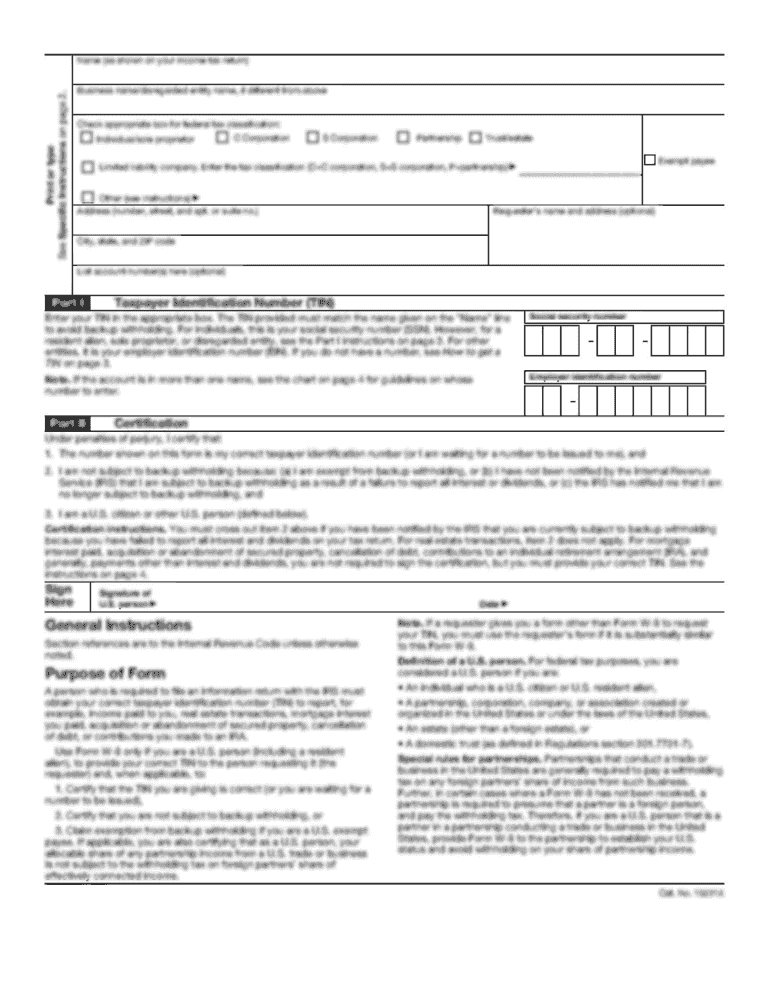
The DSC-IND Application Form 2-8 from eMudhra Limited is a critical document utilized by individuals seeking to obtain a digital signature certificate (DSC) for personal or business use. These certificates are essential for encrypting and signing electronic documents securely. The form requires applicants to provide detailed personal identification information, legal attestations, and affirmations of compliance with certification guidelines. It serves as a foundational step in accessing electronic signature capabilities under legal frameworks, such as the ESIGN Act in the United States, allowing users to authenticate documents digitally.
How to Use the DSC-IND Application Form 2-8
To effectively utilize the DSC-IND Application Form 2-8, applicants should follow a structured process to ensure all required information is accurately captured. Key steps include:
-
Personal Information: Enter your full name, contact details, and address as noted on your official identification documents. Ensure these are current and match the proof of identity you plan to submit.
-
Identity Verification: Attach or upload scanned copies of government-issued identification, such as a passport or driver's license, to verify your identity.
-
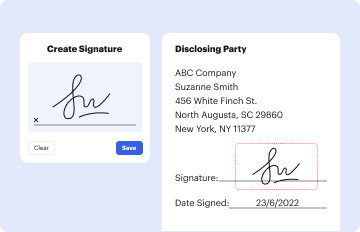
Declaration and Signature: Read through the declaration section thoroughly and sign to affirm your understanding of the application’s terms and conditions.
-
Submission: After completing the form, submit it via the recommended method, whether online, by mail, or in person, depending on the guidelines provided by eMudhra Limited.
Steps to Complete the DSC-IND Application Form 2-8
Completing the DSC-IND Application Form 2-8 involves several detailed steps:
-
Gather Necessary Documents: Before filling out the form, ensure you have all required identification and address proof documents ready.
-
Fill Out Basic Information: This includes personal data such as your name, date of birth, and contact information.
-
Document Proof Attachments: Attach copies of identification and address proof documents as specified in the form’s instructions.
-
Review and Confirm: Carefully review all entered information for accuracy and completeness before signing the form.
-
Signature and Submission: Sign the declaration, complying with all attestation requirements, and submit the form through the specified submission method, maintaining a receipt for your records.
Required Documents
To complete the DSC-IND Application Form 2-8, applicants must provide:
- Proof of Identity: Acceptable documents include a passport, driver's license, or government-issued ID card.
- Address Proof: Documents such as utility bills or bank statements that confirm the applicant’s residential address.
- Passport-Size Photographs: Submit recent photographs as per the specifications detailed in the application form.
Eligibility Criteria
Applicants must meet specific criteria to be deemed eligible for a DSC through this application form:
- Legal Age: Individuals must be of legal contractual age within their jurisdiction.
- Identity Verification: Reliable documentation to confirm identity as mandated by eMudhra Limited.
- Residential Status: Proof of address that aligns with the geographical requirements outlined in the application guide.

Legal Use of the DSC-IND Application Form 2-8
The DSC-IND Application Form 2-8 is instrumental for legal and secure communication. Digital signatures obtained through this form are legally binding and meet compliance standards in electronic transactions. They ensure document integrity and non-repudiation, reducing risk and liability in digital contracts and communications.
Who Typically Uses the DSC-IND Application Form 2-8
The form is predominantly used by:
- Business Professionals: Executives and corporate officers requiring authentication for business transactions.
- Legal Practitioners: Lawyers and legal advisors needing secure ways to sign and verify documents.
- Government Officials: Employees of public offices obligated to use official electronic communications.

Software Compatibility
The DSC obtained through this application is compatible with various software systems, including DocHub and server environments like Google Workspace. Compatibility facilitates diverse use cases, from secure email exchanges to document verification processes across platforms.
Application Process & Approval Time
Upon submission, the approval time for the DSC-IND Application may vary, typically taking:
- Verification Phase: Several days to verify documents and identity credentials.
- Issuance Phase: Once approved, the digital certificate is usually issued within a few business days.
- Follow-up: Notifications and updates regarding status are communicated via email or the preferred contact method.
Key Elements of the DSC-IND Application Form 2-8
Key components of the form include:
- Applicant Information: Personal details required for identity verification.
- Attestation Requirements: Sections where the applicant confirms understanding and compliance with all terms.
- Signature Section: Space for the applicant and any witnesses to sign, legally affirming the truth and accuracy of the provided information.
Penalties for Non-Compliance
Failure to complete the DSC-IND Application Form 2-8 correctly or adhere to guidelines may result in:
- Rejection of Application: Incorrect information or documentation may lead to application denial.
- Legal Consequences: Misrepresentation can result in legal action under applicable digital laws.
- Revocation of Certificate: Non-compliance with post-issuance obligations could terminate certificate validity.
State-Specific Rules
Different states may have unique rules relating to digital signature usage, affecting how DSCs are deployed within those jurisdictions. It’s critical to understand any additional requirements specific to your location to ensure seamless and compliant usage of the digital certificate.
Versions or Alternatives to the DSC-IND Application Form 2-8
While the DSC-IND Application Form 2-8 is a standard for obtaining digital certificates via eMudhra Limited, alternative forms or versions may exist based on different user needs or other certification authorities, providing similar functionalities but varying processes and requirements.