





Definition and Meaning of Application Form Signature Encryption Certificate
An application form signature encryption certificate is a digital credential used to secure and authenticate electronic communications, specifically for signing and encrypting documents. This certificate verifies the identity of the sender and ensures the integrity and confidentiality of the information, reducing the risk of data breaches during document exchanges. Issued primarily for individual use, the certificate provides a secure means of submitting transactions and communications over digital platforms, complying with legal and industry regulations for digital signatures.
How to Use the Application Form Signature Encryption Certificate
To utilize an application form signature encryption certificate effectively, users integrate it into their digital document workflows:
- Install the Certificate: Once issued, the certificate must be installed on your device to begin use. This involves importing it into your operating system's certificate manager or a compatible software application.
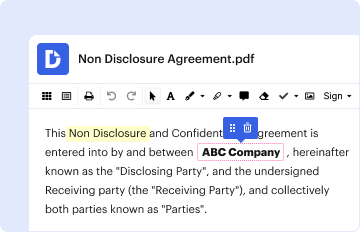
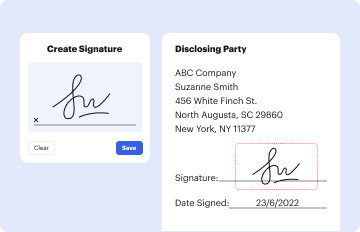
- Digital Signature Application: When signing a document, choose the option to sign digitally. Select your encryption certificate from the available options. The certificate applies a unique cryptographic signature to the document, certifying its authenticity.
- Encrypting Documents: Use the encryption feature to secure documents before sending them. The recipient will require a corresponding decryption key to access the content securely.
This secure system ensures the recipient can trust the document's origin and integrity, enhancing the reliability of digital transactions.
Steps to Complete the Application Form Signature Encryption Certificate
Completing the application form for a signature encryption certificate involves several specific steps:
- Access the Form: Obtain the application form from the certificate authority or provider offering the signature encryption service.
- Provide Personal Information: Fill out personal details accurately, such as your name, address, and contact information, which will be used to authenticate your certificate.
- Select Certificate Type and Validity: Specify the type of encryption certificate needed and the desired period of validity. Options often range from one to three years.
- Attach Required Documents: Include proof of identity and address, such as a government-issued ID and utility bill, to verify your identity.
- Agree to Terms: Complete the declaration section, confirming your adherence to the certification practice statement, and verify the accuracy of the information provided.
- Submit the Form: Follow the submission guidelines, which may include mailing, emailing, or using an online portal to complete the process.
Important Terms Related to Application Form Signature Encryption Certificate
Several key terms are integral to understanding the application form signature encryption certificate:
- Digital Signature: An electronic means of proving the authenticity of a digital message or document.
- Encryption: The process of converting information or data into a code to prevent unauthorized access.
- Cryptographic Key: A piece of information vital to performing cryptographic operations such as signing and encrypting data.
- Certificate Authority (CA): An organization that issues digital certificates to verify the identity of certificate holders.
Understanding these terms can facilitate better comprehension of the certification process and application.
Legal Use of the Application Form Signature Encryption Certificate
In the United States, the application form signature encryption certificate is used legally to ensure the validity and security of electronic signatures, aligning with the ESIGN Act and the Uniform Electronic Transactions Act (UETA). The ESIGN Act grants electronic signatures the same legal standing as traditional handwritten signatures, provided they follow the outlined regulations, enhancing trust in electronic communications and transactions.
Use cases include executing contracts, submitting official documents to government agencies, and authenticating communications, ensuring the legal obligations and rights are clearly defined and upheld.
Key Elements of the Application Form Signature Encryption Certificate
The application form for a signature encryption certificate typically includes several essential elements:
- Identity Verification: Proof of identity is paramount, requiring validated documentation to confirm the applicant's identity.
- Certificate Options: Options for different types of certificates based on the user's needs, determining validity duration and extent of use.
- Terms and Conditions: The declaration or terms and conditions section requires the applicant's agreement to ethical and legal use of the certificate.
- Accessibility Features: Ensuring that the certificate can be used on various platforms and devices without compatibility issues.
These elements ensure that the certificate serves its purpose effectively while complying with all relevant legal and operational requirements.
Examples of Using the Application Form Signature Encryption Certificate
Practical examples include:
- Corporate Communications: A business executive might use the certificate to sign contracts digitally, ensuring the document's integrity and authenticity.
- Government Submissions: Individuals submitting tax forms or other official documents electronically can utilize the certificate to provide a verified signature.
- Health Records: Healthcare professionals might use it to authenticate electronic health records, ensuring patient data confidentiality.
These scenarios highlight the diverse applications of signature encryption certificates, illustrating their role in safeguarding digital interactions across various industries.
Software Compatibility for Application Form Signature Encryption Certificate
These certificates must be compatible with widely used software platforms for maximum utility. Compatibility includes:
- Document Editors: Integration with platforms like Microsoft Word, Adobe Acrobat, and cloud-based document editors for seamless application.
- Email Clients: Use in securing email communication, ensuring that software such as Outlook and Gmail can utilize these certificates for signing and encryption.
- Mobile Applications: Accessibility features should allow usage on both Android and iOS platforms, supporting mobile workflows.
Verifying software compatibility ensures that users can leverage their digital certificates effectively across different devices and platforms, maintaining secure and efficient operations.