




01. Edit your form online
Type text, add images, blackout confidential details, add comments, highlights and more.

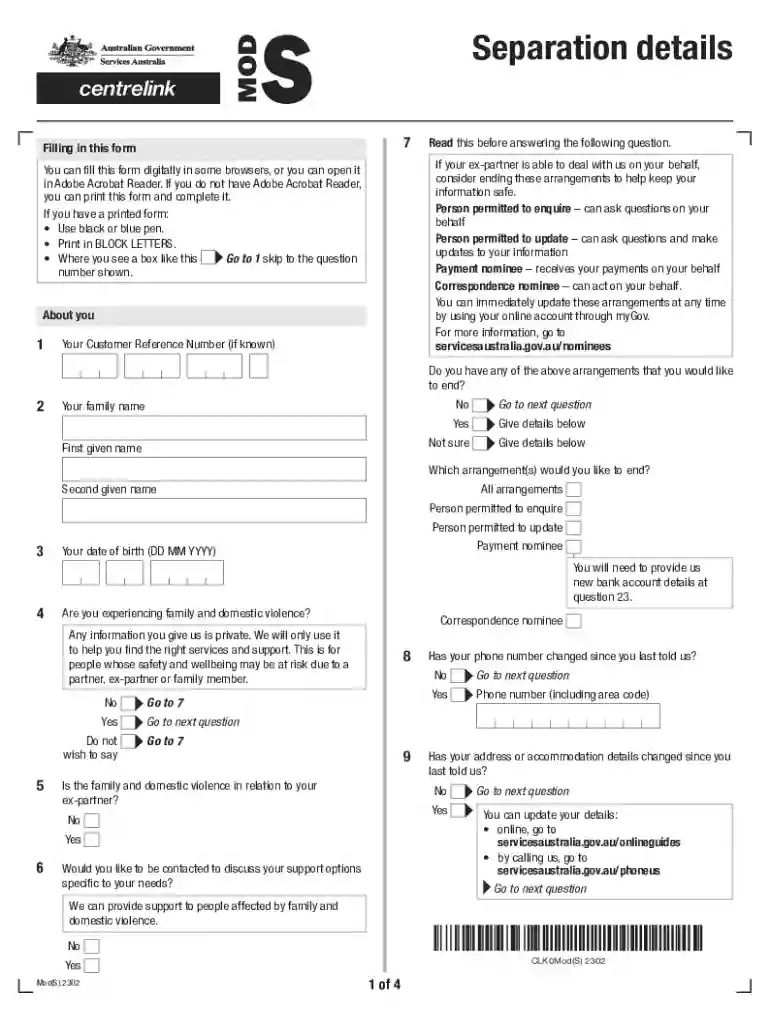
Type text, add images, blackout confidential details, add comments, highlights and more.

Draw your signature, type it, upload its image, or use your mobile device as a signature pad.

Send it via email, link, or fax. You can also download it, export it or print it out.
The Petition (FL-100) and Summons (FL-110) are legal documents used in the California court system primarily for initiating divorce proceedings. They serve specific functions within the process: the FL-100 is utilized to officially file for divorce, separation, or annulment, whereas the FL-110 notifies the opposing party of the legal action being initiated. These forms provide the structure for disclosing necessary information about the marital relationship, including property division, child custody, and support arrangements, thereby facilitating the judicial process.
Obtain the Forms:
Personal Information:
Describe Marriage Details:
Prepare Financial Information:
Signature and Submission:
Initiate Legal Action:
Serve Documents:
Court Authorization:
Rights and Responsibilities:
Court-Ordered Actions:
California Family Code Compliance:
Residency Requirements:
Divorce Without Minor Children:
Complex Property Division:
Petitioner and Respondent:
Service of Process:
Financial Disclosures:
Supporting Evidence:
Response Timeline:
Hearings and Court Dates:
Online Submission:
Mail or In-Person:
By thoroughly comprehending and effectively completing the FL-100 and FL-110 forms, parties involved in the California legal system can successfully navigate the complexities of marital dissolution with clarity and legal precision.
We've got more versions of the Petition and Summons (FL-100 and FL-110)California Courts form. Select the right Petition and Summons (FL-100 and FL-110)California Courts version from the list and start editing it straight away!
At DocHub, your data security is our priority. We follow HIPAA, SOC2, GDPR, and other standards, so you can work on your documents with confidence.
by LC Schubert 1974 7 The defendants moved to quash the service of summons made upon them in Florida, basing this motion on the immunity rule. The trial court granted the motionRead more
You have 30 calendar days after this Summons and. Petition are served on you to file a Response (form. FL-120) at the court and have a copy served on the.Read more


