
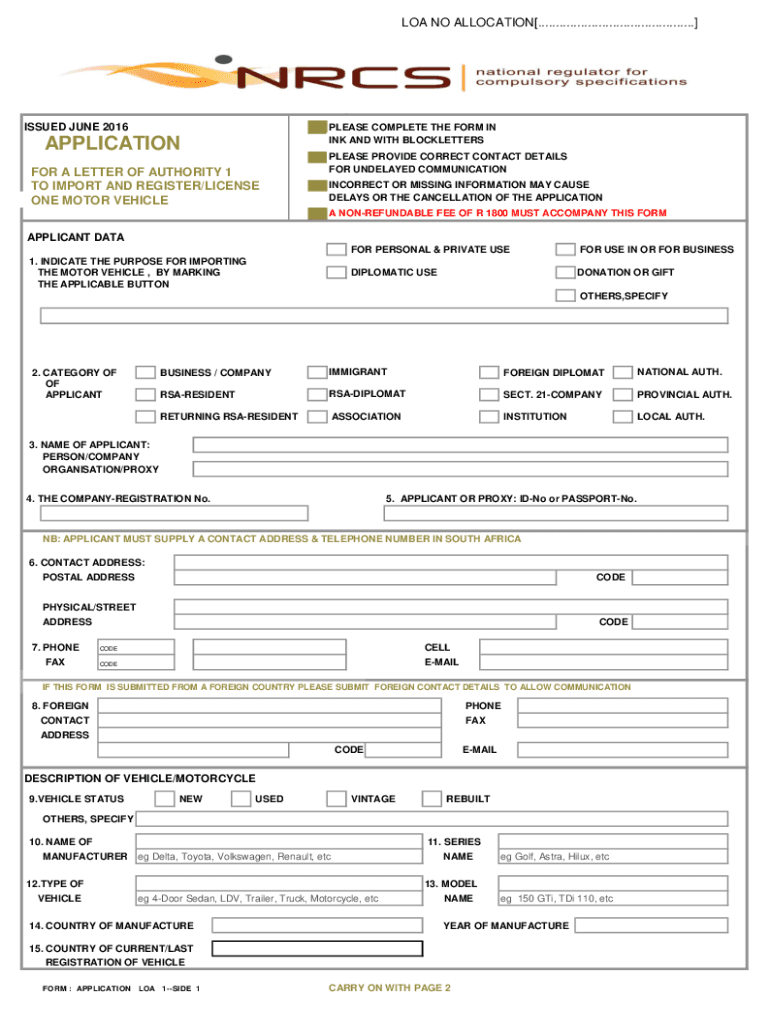







Definition & Meaning of "Form Online"
In today's digital era, the term "form online" encompasses a variety of digital documents that individuals or organizations can access, complete, and submit via the internet. Unlike traditional paper forms, online forms offer the convenience of being accessible from any device with internet connectivity. They are designed to streamline data collection, facilitate secure submissions, and enable real-time processing. From tax forms to registration documents, the "form online" enhances efficiency and accessibility in numerous sectors.
How to Use the Form Online
Using an online form involves several key steps that ensure accurate data entry and smooth submission. First, ensure you have a stable internet connection. Navigate to the platform hosting the form, such as DocHub, which provides comprehensive tools for interacting with forms online. Follow these steps for a seamless experience:
- Access: Open the form via a web browser on your desktop or mobile device.
- Filling Out: Use interactive fields such as text boxes and dropdown menus to input information.
- Verification: Double-check all entries for accuracy to prevent submission errors.
- Submission: Follow on-screen prompts to submit the form. Many platforms offer a confirmation message or email once the form is successfully submitted.
Steps to Complete the Form Online
Completing an online form effectively requires attention to detail and adherence to the platform’s instructions. Below is a detailed procedure to guide users:
- Reading Instructions: Start by carefully reading any instructions provided at the beginning of the form.
- Form Fields: Navigate through the form, paying special attention to required fields marked with an asterisk.
- Saving Progress: If the form allows, save your progress frequently, especially in forms that require extensive information.
- Reviewing Inputs: Prior to submission, thoroughly review your responses to avoid errors.
- Confirmation and Receipt: After submission, save or print the confirmation receipt for your records.
Important Terms Related to Form Online
Understanding certain terminology can clarify the process of working with forms online:
- SSL Encryption: A security measure ensuring data is transferred securely between the user and the platform.
- Interactive Template: A digital form that allows users to input data directly into the fields.
- OAuth 2.0: A protocol used to allow secure access to user-specific data without exposing credentials.
- Real-Time Synchronization: Ensures that data changes are instantly reflected across all devices accessing the form.
Legal Use of the Form Online
Online forms hold the same legal weight as traditional paper documents, provided they are compliant with legal standards such as the ESIGN Act in the United States. This legislation confirms the validity of electronic records and signatures in interstate and international commerce. Users can confidently sign documents online, knowing that:
- Electronic Signatures: Are legally equivalent to handwritten signatures under U.S. law.
- Audit Trails: Document all interactions with the form, creating a record for legal purposes.
- Data Security: Encryption and secure authentication protocols protect sensitive information throughout the online submission process.
Key Elements of the Form Online
A well-structured online form typically contains crucial elements that facilitate efficient data collection:
- User-Friendly Interface: Simplifies navigation and completion for users with varying levels of technical expertise.
- Validation Features: Automatically check entries for errors, such as incorrect formats or incomplete fields.
- Interactive Features: Include dropdowns, checkboxes, and radio buttons to streamline the selection process.
- Submission Confirmation: Provides feedback that the form has been successfully sent and received.
Form Submission Methods
Submitting forms online can vary based on the platform and the organization’s procedures. Common submission methods include:
- Direct Upload: Upload a completed form directly via the form's web page.
- Email Submission: Send completed forms as email attachments for more personalized or smaller-scale submissions.
- Import and Export: Utilize integration features with cloud storage services to import documents or export completed forms back to services like Google Drive.
Software Compatibility
Online forms often integrate with various software solutions to enhance usability and efficiency. Platforms like DocHub support compatibility with popular applications such as:
- Google Workspace: For seamless use within apps like Google Drive and Gmail.
- Microsoft Office: Edit and collaborate on documents across Word, Excel, and PowerPoint.
- Cloud Services: Sync forms with Dropbox and OneDrive for effortless file management and sharing.
Business Types That Benefit Most from Form Online
Many businesses stand to gain significantly from integrating online forms into their operations, particularly those focused on documentation and data management:
- Small to Medium Enterprises (SMEs): Streamline operations with efficient document handling.
- Legal Firms: Facilitate client documentation and contracts with secure online signing.
- Healthcare Providers: Manage patient forms and records electronically to improve service delivery.




