



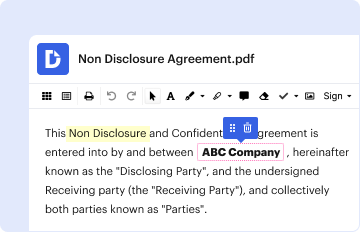
01. Edit your form online
Type text, add images, blackout confidential details, add comments, highlights and more.

Type text, add images, blackout confidential details, add comments, highlights and more.
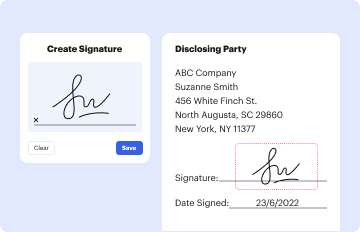
Draw your signature, type it, upload its image, or use your mobile device as a signature pad.

Send it via email, link, or fax. You can also download it, export it or print it out.
The Maryland lead inspection certificate is an official document issued by the Maryland Department of the Environment (MDE). This certificate serves a crucial role in demonstrating that a property has been inspected and complies with state regulations aimed at preventing lead poisoning. In Maryland, lead poisoning prevention is a significant public health concern, and this certificate helps ensure property safety by verifying that any lead present is within permissible limits. It is particularly relevant for rental properties, where ensuring tenant safety from lead exposure is mandatory by law.
To effectively use the Maryland lead inspection certificate, property owners must display it prominently to show compliance with state regulations. This documentation is often required during rental transitions or property sales to assure prospective tenants or buyers of lead safety. It is also useful to maintain records for insurance purposes or to provide proof of adherence to legal requirements during inspections by local authorities. The certificate acts as a confirmation that a certified inspector has assessed the property and deemed it safe under Maryland's lead laws.
To obtain the Maryland lead inspection certificate, follow these steps:
Completing the Maryland lead inspection certificate involves several key steps:
The Maryland lead inspection certificate comprises several critical elements, including:
In legal terms, the Maryland lead inspection certificate functions as a compliance document required under state law for residential properties. Landlords are legally obligated to obtain and maintain this certificate to rent properties built before 1978. The certificate must be renewed periodically, especially when significant renovations occur. Non-compliance can lead to legal repercussions, including fines, penalties, and hurdles in renting or transferring property ownership. It also serves as a critical defense tool in liability cases regarding lead exposure claims.
When applying for a Maryland lead inspection certificate, several documents are necessary:
Submitting the Maryland lead inspection certificate form can be done through multiple channels:
Patrons must ensure all forms are correctly completed and submitted through the approved methods to avoid delays or non-compliance issues.
We've got more versions of the maryland lead inspection certificate form. Select the right maryland lead inspection certificate version from the list and start editing it straight away!
| Versions | Form popularity | Fillable & printable |
|---|---|---|
| 2011 | 4.4 Satisfied (56 Votes) |
At DocHub, your data security is our priority. We follow HIPAA, SOC2, GDPR, and other standards, so you can work on your documents with confidence.
STATE LEAD/VOLUNTARY CLEANUP PROGRAMS the Environmental Security Technology Certification Program (ESTCP). Maryland Department of Environment.
MD Dept of Environment: LEAD Rental Certification and Accreditation. Touch 1800 Washington Boulevard, Baltimore, MD 21230 410-537-3000
An accredited lead paint inspection contractor may issue a certificate of limited lead-free housing after an inspection that verifies that all painted interiorRead more


