



01. Edit your form online
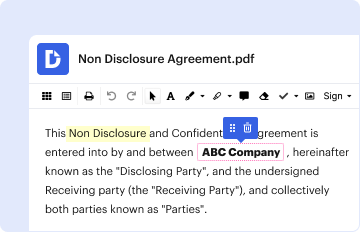
Type text, add images, blackout confidential details, add comments, highlights and more.

Type text, add images, blackout confidential details, add comments, highlights and more.

Draw your signature, type it, upload its image, or use your mobile device as a signature pad.

Send it via email, link, or fax. You can also download it, export it or print it out.
The fillable form 51A129 is officially known as the Kentucky Sales and Use Tax Energy Exemption Annual Return form. It serves a vital role for authorized energy direct pay entities in reporting energy purchases and determining eligibility for associated tax exemptions. This form comprises multiple sections tailored for computing total energy costs, reconciling estimated and actual taxes, and projecting future tax obligations.
Entities utilizing this form benefit not only from the direct financial incentives of potential tax savings but also gain insights into their energy usage patterns. It encourages compliance with state regulations and fosters a transparent method of managing energy-related tax obligations.
Entities can easily access the fillable form 51A129 through the Kentucky Department of Revenue’s official website. It is available for download in PDF format, ensuring that users can electronically fill in the form using platforms like DocHub. This digital availability underscores the convenience and efficiency aimed at facilitating compliance among businesses.
It’s crucial for entities to ensure they have the most updated version of the form before filing. Checking for any additional instructions or supplementary documents that accompany the form is recommended for comprehensive compliance and accuracy.
Completing the fillable form 51A129 involves several detailed steps, ensuring that the filer provides all necessary information and calculations accurately:
Enter Basic Details: Include entity name, address, and identification number.
List Energy Suppliers: Detail information about each energy supplier used during the tax year, including names and addresses.
Compute Energy Costs: Calculate the total energy costs incurred, categorized by type and source.
Reconcile Taxes: Adjust the differences between estimated taxes paid and actual tax obligations, detailing any necessary corrections or refunds.
Estimate Future Obligations: Project upcoming tax year liabilities based on historical data and expected changes in energy consumption or costs.
Each step includes an opportunity to provide comments or additional documentation, which can be crucial for audit purposes or if clarification of any reported figures is required.
The form 51A129 encompasses various elements that are essential for thorough completion:
Each of these elements functions to ensure comprehensive data collection and processing, which is a cornerstone of accurate tax computation and exemption eligibility assessment.
Filing a fillable form 51A129 necessitates adherence to legal requirements under Kentucky state law, specifically around sales and use tax regulations. Businesses must accurately represent their energy purchase data and be prepared to provide supporting documentation if audited.
Non-compliance, inaccuracies, or fraudulent reports may lead to penalties, including fines or disqualification from future tax exemptions. Therefore, ensuring accuracy and legality of all entered information is essential for protecting the business’s financial and legal standing.
While primarily a state-level requirement, the fillable form 51A129 must also be aligned with IRS guidelines related to federal tax implications of energy use deductions and credits. Businesses should ensure that all reported energy expenditures align with federal tax reporting.
Understanding the interplay between state exemptions and federal obligations can optimize financial benefits and mitigate risks of audits or penalties from either state or federal authorities.
Compliance with the fillable form 51A129 requires awareness of critical filing dates to avoid penalties associated with late submissions. Typically, the deadline aligns with the end of the annual tax cycle, but businesses should verify the precise date with the Kentucky Department of Revenue each year.
Entities are advised to keep an organized record of filing confirmations and ensure timely submission to avoid lapses in their exemption eligibility.
Case studies of businesses, such as manufacturing firms that heavily rely on energy, highlight the importance and benefits of the fillable form 51A129. These businesses can leverage the form to achieve significant tax savings by accurately reporting high energy consumption costs.
Scenarios may include startups optimizing initial operational costs or established companies managing increased production demands, both benefitting from detailed, compliant energy expenditure reporting. Such examples underscore the utility and impact of diligent form usage in varying business contexts.
We've got more versions of the fillable form 51a129 form. Select the right fillable form 51a129 version from the list and start editing it straight away!
| Versions | Form popularity | Fillable & printable |
|---|---|---|
| 2013 | 4 Satisfied (41 Votes) |
At DocHub, your data security is our priority. We follow HIPAA, SOC2, GDPR, and other standards, so you can work on your documents with confidence.


