



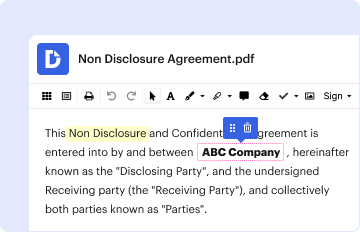
01. Edit your form online
Type text, add images, blackout confidential details, add comments, highlights and more.

Type text, add images, blackout confidential details, add comments, highlights and more.
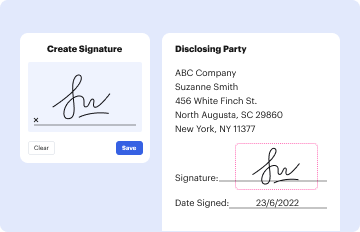
Draw your signature, type it, upload its image, or use your mobile device as a signature pad.

Send it via email, link, or fax. You can also download it, export it or print it out.
The JVQ is a screening questionnaire designed for assessing youth experiences with violence, abuse, and neglect. It comprises yes/no questions that explore various forms of physical and emotional harm, including bullying, domestic violence, sexual abuse, and exposure to violent situations. This questionnaire aims to gather honest responses to better understand the challenges faced by children and adolescents. It serves an important role in identifying vulnerable individuals who may require support and intervention.
Completing the JVQ requires careful attention to detail to ensure accurate assessment. Here’s a step-by-step guide:
Understand the Purpose: Recognize that the JVQ aims to evaluate experiences related to violence and abuse, and be prepared to address sensitive topics honestly.
Gather Necessary Information: Before starting, ensure you have access to the child or adolescent’s background details, which may help contextually answer the questions.
Answer Each Question Carefully: Go through each yes/no question, taking the time to consider the incidents and experiences that apply. Honesty is crucial for an accurate assessment.
Review Responses: Once completed, check the responses to ensure they reflect the experiences accurately. This is crucial for the effectiveness of the follow-up actions.
Submit the Form: Depending on the context, submit the JVQ to the appropriate authority, such as a school counselor or a healthcare provider, for further action.
The JVQ serves as an essential tool for identifying children and adolescents who have faced violence or abuse. Here are some compelling reasons to use this form:
Early Detection and Intervention: By highlighting experiences with violence, the JVQ can lead to early intervention and support for affected individuals.
Comprehensive Risk Assessment: The JVQ covers a range of harmful experiences, providing a holistic view of the youth’s situation.
Data-Driven Support: Responses help professionals design tailored intervention strategies based on the specific experiences of the youth.
Understanding specific terminology is vital for interpreting the JVQ accurately. Here are some crucial terms:
Bullying: Aggressive behavior among school-aged children that involves a real or perceived power imbalance.
Domestic Violence: Abuse that occurs within a domestic setting, such as in cohabitation or marriage.
Sexual Abuse: Unwanted sexual activity where the perpetrator uses force, makes threats, or takes advantage of victims.
Neglect: Failure to meet a child’s basic physical and emotional needs.
Several essential components make up the JVQ:
Yes/No Questions: Direct questions designed to elicit honest responses about past experiences.
Categories of Harm: Questions categorized by the type of harm, such as emotional, physical, or sexual abuse.
Life Stages: Some questions may relate to different life stages to understand how experiences vary over time.
The JVQ is usually employed by:
School Counselors: To assess students’ emotional and physical well-being.
Healthcare Providers: To gather information that might impact a youth’s health or require medical intervention.
Social Workers: To develop comprehensive support plans for children in various environments.


The JVQ must be used in accordance with legal standards and confidentiality regulations, including:
Parental Consent: Often required before administering the questionnaire to minors.
Confidentiality: Maintains privacy, ensuring that shared information remains within authorized personnel.
Mandatory Reporting: In cases where the JVQ identifies potential abuse or harm, it informs mandatory reporting procedures to the appropriate authorities.
Modern technology allows for the JVQ to be administered both digitally and on paper:
Digital Version: Facilitates quicker data analysis and easier access to results. Can be integrated with platforms such as Google Drive for seamless distribution and collection.
Paper Version: Suitable for situations where technology access is limited or if a hard copy record is necessary.
Compatibility with Tools: Software like QuickBooks or specialized case management systems may be employed to analyze results and track follow-up actions.
Each method offers flexibility and utility, depending on the specific needs and resources available.
We've got more versions of the jvq form. Select the right jvq version from the list and start editing it straight away!
| Versions | Form popularity | Fillable & printable |
|---|---|---|
| 2011 | 4 Satisfied (45 Votes) |
At DocHub, your data security is our priority. We follow HIPAA, SOC2, GDPR, and other standards, so you can work on your documents with confidence.
Juvenile Victimization Questionnaire (JVQ), Administering the JVQ-R2, Available Versions of the JVQ-R2, Ethical and Legal Issues, Interpreting JVQ-R2 Scores.Read more
by D Finkelhor 2005 Cited by 1185 The JVQ has potential for use in future epidemiological research as well as clinical evaluation concerning the victimization of children.
by W Nussbaum 2015 Cited by 8 The Juvenile Victimization Questionnaire (JVQ) (Finkelhor, Hamby, Ormrod, Turner, 2005) was administered alongside the ADBTT to determine if there wereRead more


