





Definition and Purpose of the Federal Operating Permit Program Fee Filing
The Federal Operating Permit Program (40 CFR Part 71) Fee Filing is a critical component of the U.S. Environmental Protection Agency’s (EPA) efforts to regulate air pollutants. This program outlines the requirements for facilities that emit pollutants to obtain permits that ensure compliance with federal air quality standards. The associated fee filing is an essential process where facilities report and pay fees based on their pollutant emissions, contributing to the regulatory program's operational funding.
How to Obtain the Federal Operating Permit Program Fee Filing Form
Facilities needing to comply with the Federal Operating Permit Program can obtain the relevant fee filing form through the EPA’s official website. Additionally, state-level environmental agencies responsible for administering Part 71 can provide access. Ensure all required information is readily available before requesting the form to expedite the process.
Steps to Complete the Federal Operating Permit Program Fee Filing
-
Gather Necessary Information:
- Collect data on emissions, including types and quantities.
- Ensure documentation of previous filings, permits, and compliance records.
-
Complete The Form:
- Enter applicable data on emissions and operations accurately.
- Use the EPA’s emission factor calculations where necessary.
-
Calculate Fees:
- Determine fees based on emissions, using the EPA’s fee schedule as guidance.
- Apply any relevant adjustments or reductions applicable to your specific circumstances.
-
Review and Sign:
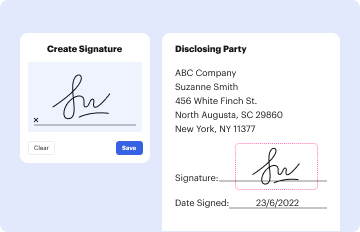
- Have a designated 'Responsible Official' review and sign the form, certifying the accuracy of the information.
-
Submit the Form:
- Submit the completed form and payment via your preferred submission method, ensuring compliance with EPA deadlines.
Key Elements of the Fee Filing Process
- Certification of Accuracy: The fee filing form requires a certification of truth, accuracy, and completeness. This ensures accountability and compliance with environmental regulations.
- Annual Emissions Reporting: Facilities must report annual emissions data, with fees calculated based on these figures.
- Responsible Official's Role: This individual is responsible for signing the form, attesting to the validity and accuracy of all provided information.
Who Typically Uses the Federal Operating Permit Program Fee Filing
The primary users of this fee filing are facilities engaged in operations that emit regulated air pollutants. This includes industries like power plants, manufacturing facilities, and processing operations. These entities are required to comply with the federal operating permit requirements to ensure their operations do not adversely impact air quality.

Legal Use and Compliance Requirements
Compliance with the Federal Operating Permit Program requires understanding and adherence to the legal mandates outlined under 40 CFR Part 71. This includes timely submission of the fee filing and accurate reporting of emissions data. Failure to comply can result in penalties or revocation of permits, emphasizing the necessity of thorough and precise reporting.
State-Specific Rules and Differences
While the Federal Operating Permit Program provides a national framework, implementation details can vary by state. Each state may have additional requirements or procedural nuances that impact how facilities interact with the permit and fee filing process. Facilities should consult with state environmental agencies to understand localized obligations and ensure full compliance.
Required Documents for Fee Filing Submission
Facilities need to provide several key documents when completing the fee filing form:
- Emissions Data: Detailed records of annual emissions by pollutant type.
- Permits: Copies of current operating permits and any modifications.
- Certification Forms: Documentation certifying accuracy and responsibility, such as the signed Certification of Truth, Accuracy, and Completeness (CTAC).
Who Issues the Form and Filing Deadlines
The EPA issues the Federal Operating Permit Program Fee Filing form. Filing deadlines typically align with the calendar year, requiring reporting and fee submissions at the beginning of each year. It’s essential to verify deadlines annually as they can differ based on changes in EPA guidelines or state mandates.
Penalties for Non-Compliance
Non-compliance with the Federal Operating Permit Program fee filing can lead to significant penalties, including financial fines or operational restrictions. These measures ensure adherence to environmental standards and the EPA’s capacity to manage the regulatory program effectively.
Taxpayer Scenarios and Business Entity Types
Industries such as manufacturing, utilities, and chemical plants often find themselves navigating the Federal Operating Permit Program. These businesses, irrespective of entity type—LLC, corporation, or partnership—must evaluate emissions reporting or risk compliance fallbacks that can affect operational licensing and financial budgeting.

Application Process and Approval Times
The application process for the Federal Operating Permit Program and fee filing typically follows a yearly cycle. Facilities must anticipate approval times, which can vary based on volume and complexity. Engaging with EPA resources early in the year ensures smoother processing and alignment with regulatory timelines.
Software Compatibility and Reporting
To streamline reporting, facilities can utilize compatible software tools like TurboTax or industry-specific compliance platforms for data management and submission. These solutions help automate calculations and integrate seamlessly with the EPA submission platforms, simplifying the ongoing compliance tasks for facility managers.