Community property 2026

Get Form
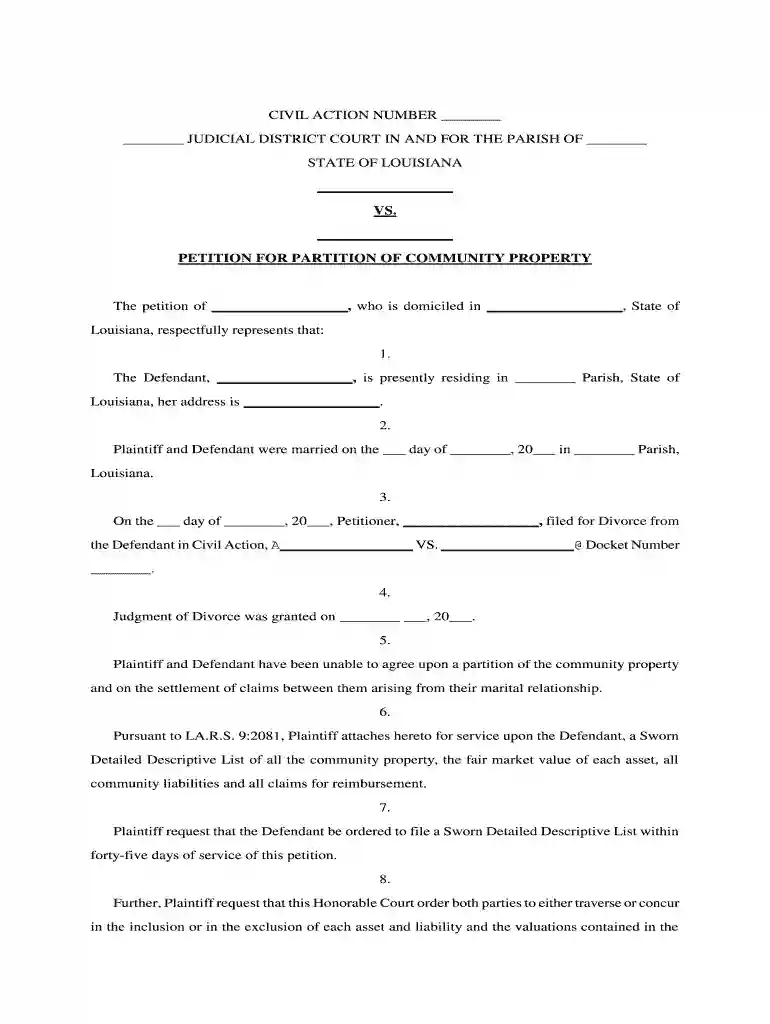
community property Preview on Page 1

Here's how it works

01. Edit your form online
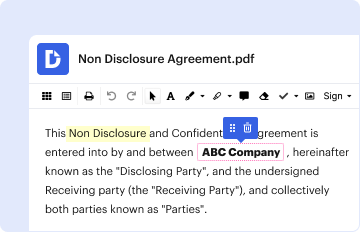
Type text, add images, blackout confidential details, add comments, highlights and more.

02. Sign it in a few clicks
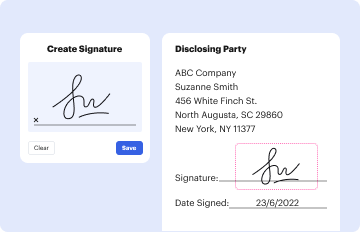
Draw your signature, type it, upload its image, or use your mobile device as a signature pad.

03. Share your form with others
Send it via email, link, or fax. You can also download it, export it or print it out.

Definition & Meaning

Community property refers to a legal distinction primarily used in the context of marriage and divorce, where assets acquired during the union are considered jointly owned by both spouses. This concept sees each partner having an equal interest in assets like income, real estate, and other acquired possessions throughout the marriage. The aim is to provide a fair division of property should the marriage end, ensuring both parties receive equitable shares. Understanding community property laws is crucial for navigating legal proceedings efficiently.

Key Characteristics

  • Joint Ownership: Assets acquired during the marriage are typically shared equally.
  • Specific to Certain States: Only a few states use community property laws, influencing how assets are divided during a divorce.

Nuances in Application

Community property principles mainly apply in a few states, including California, Texas, and Louisiana. Each state may have unique interpretations, affecting how property is handled and divided.

State-Specific Rules for the Community Property

Different states have varying rules regarding community property, which can significantly impact how property is classified and divided during legal proceedings. States like California and Nevada follow strict community property laws, whereas others have variations.

California

In California, each spouse is entitled to half of the community property. The division may affect how pensions, debts, and income earned during the marriage are treated.

Louisiana

Louisiana requires detailed documentation for asset division, affecting how property is treated both during and after marriage.

Steps to Complete the Community Property

Dealing with community property involves several legal steps, especially during a divorce. These steps help in ensuring a fair and equitable division of assets.

  1. Inventory and Appraisal: Begin by identifying all assets and debts acquired during the marriage.
  2. Valuation: Obtain professional appraisals for real estate or business interests.
  3. Negotiation: Spouses should negotiate an asset division, potentially through mediation.
  4. Legal Filings: Submit necessary documents to legal authorities for the divorce process.

Required Documents

  • Marriage certificate
  • Asset and liability lists
  • Valuation reports

Important Terms Related to Community Property

Understanding key terms helps in navigating the legal process involved with community property.

Common Terms

  • Separate Property: Assets owned before marriage or acquired via inheritance.
  • Co-Mingling: When separate and community property are mixed, complicating asset division.

Legal Use of the Community Property

Legal professionals often navigate the intricacies of community property when assisting clients in divorce cases. Understanding how laws apply ensures fair asset distribution.

Contextual Applications

  • Divorce Settlements: Ensure equitable division adhering to state laws.
  • Estate Planning: Influence how assets are distributed upon death.

Examples of Using the Community Property

Real-life examples illustrate how community property laws impact everyday scenarios.

Case Study: Divorce Settlement

In a California divorce, a couple shared ownership of income earned, impacting how their home and savings were split.

Case Study: Post-Marital Agreements

A Texas couple negotiated a post-marital agreement to redefine community property, ensuring clarity in asset division.

Eligibility Criteria

Eligibility for community property typically hinges on marital status and residence in a state recognizing these laws. Couples should assess their eligibility based on their marital status and location.


decoration image ratings of Dochub

Criteria

  • Marriage Requirement: Couples must be legally married.
  • Residency: Must reside in a community property state.

Business Types That Benefit Most from Community Property

Certain businesses are more impacted by community property laws, especially when they are family-owned or closely held.

Impact on Business Entities

  • LLCs and Partnerships: Require careful division of shares and interests if owned during marriage.
  • Family Businesses: May necessitate buyouts or restructuring based on community property laws.
be ready to get more

Complete this form in 5 minutes or less

Get form

Got questions?

We have answers to the most popular questions from our customers. If you can't find an answer to your question, please contact us.
Contact us
In Georgia, marital property is considered to be anything that was acquired by either spouse during the marriage. That is regardless of the way the property is titled.
Examples of potential community property include the following: Debt accrued during marriage. Expensive jewelry. Financial interests in personal businesses. Household items like TVs, large appliances, etc. Income earned during the time of your marriage. Personal property acquired during the marriage.
Generally, the laws of the state in which the members of the registered domestic partnership are domiciled governs whether the RDP has community income or separate income. Community property, generally, includes earned income, self-employment income from sole proprietorships, interest, dividends, and rent.
How Do Community Property Agreements Affect Estate Planning? These agreements simplify the transfer of assets at death, often allowing the surviving spouse to avoid probate and potentially benefit from favorable tax treatments. The Advantages and Disadvantages of Community Property Agreements heritagelawwi.com the-advantages-and-dis heritagelawwi.com the-advantages-and-dis
Assets that may be protected from equitable distribution during a divorce are typically belong to one of two types: premarital property that has been kept from being commingled or transitioned and gifts or inheritances.

Security and compliance

At DocHub, your data security is our priority. We follow HIPAA, SOC2, GDPR, and other standards, so you can work on your documents with confidence.

Learn more
ccpa2
pci-dss
gdpr-compliance
hipaa
soc-compliance
be ready to get more

Complete this form in 5 minutes or less

Get form

People also ask

Excludes from community property include gifts, inheritances, property acquired prior to marriage, or property acquired when the parties were permanently living apart.

Related links