





Definition and Meaning
An "acknowledgement and consent form" serves as a critical document, used across various sectors, to record an individual's understanding and agreement regarding specific information, terms, or actions. This form is commonly employed in therapy settings, legal transactions, and informational disclosures. It ensures that the involved parties are aware of and consent to the discussed procedures or terms before proceeding further. In therapy, for instance, it informs clients about potential outcomes, soliciting their informed consent prior to treatment such as EMDR, a recognized method for addressing PTSD.
Key Elements of the Acknowledgement and Consent Form
Several core elements constitute an effective acknowledgement and consent form, ensuring clarity and comprehensiveness. These components include:
- Statement of Purpose: Clearly defines the intent behind the form and what the consenting party is agreeing to.
- Detailed Information Section: Provides full disclosure of the information or actions requiring acknowledgement, such as therapy risks or contract terms.
- Consent Agreement: A section where signatories affirm their understanding and agreement.
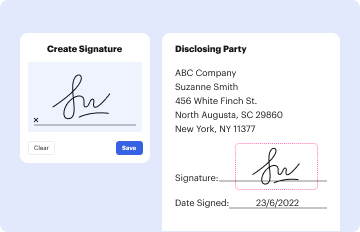
- Signature Fields: Required for validation, including signatures from both parties and a witness if necessary.
Each section is essential to ensure the document is legally binding and that all parties are protected.
Steps to Complete the Acknowledgement and Consent Form
Completing an acknowledgement and consent form involves several key steps to guarantee accuracy and compliance:
- Carefully Review the Document: Read all the terms and information comprehensively to ensure full understanding.
- Seek Clarifications: If any part of the form is unclear, consult with a professional to provide guidance.
- Complete Personal Information: Fill in all required fields, such as name, date, and contact details.
- Sign and Date the Form: Ensure that your signature is accurately placed in the designated area.
- Submit the Form as Required: Follow instructions on whether to submit it electronically or via mail.
Completing these steps meticulously helps avoid misunderstandings and ensures that the consent is fully informed.
Legal Use of the Acknowledgement and Consent Form
This form has significant legal implications and is utilized in various professional contexts, such as:
- Therapy and Medical Treatment: Used to obtain informed consent from clients for procedures like EMDR.
- Business Transactions: Facilitates understanding between parties concerning contractual terms.
- Educational Institutions: Ensures that students and guardians understand policies or consent to activities.
In all settings, it serves as a formal record that can be referenced in case of disputes or legal examinations.
Who Typically Uses the Acknowledgement and Consent Form
Several professionals and institutions rely on this form, including but not limited to:
- Therapists and Counselors: To document consent for therapeutic treatments.
- Legal Professionals: For agreements and disclosure of legal terms.
- Business Entities: To confirm understanding of services or partnerships.
Its versatility across domains highlights its importance in ensuring clear agreements and informed consent.


State-Specific Rules for the Acknowledgement and Consent Form
Though broadly used, state-specific regulations may influence the design and execution of these forms:
- Regulatory Requirements: Certain states may mandate specific language or additional sections.
- Format Variations: Differences in the required format for validity.
- Mandatory Disclosures: State laws may require the inclusion of disclosures relevant to the jurisdiction.
Understanding these nuances helps in the preparation of a compliant and effective document.
Digital vs. Paper Version
Acknowledgement and consent forms can be executed as either digital or paper documents, each with their advantages:
- Digital Forms: Offer convenience, real-time updates, and easy distribution. Platforms like DocHub facilitate the creation, signing, and storage of digital consent forms with added security features.
- Paper Forms: May be necessary in environments where digital means are unavailable or legally discouraged.
Choosing the right format can depend on the context of use, availability of resources, and specific legal requirements.
Examples of Using the Acknowledgement and Consent Form
Various scenarios illustrate the application of these forms:
- EMDR Therapy: Prior to beginning treatment for PTSD, clients sign a form acknowledging the potential effects and consenting to proceed.
- Corporate Agreements: Employees acknowledge company policies or contractual terms through structured consent forms.
- Educational Field Trips: Parents or guardians sign these forms to acknowledge the terms and allow student participation.
These examples showcase the form's utility in ensuring informed consent and comprehension in diverse scenarios.