




01. Edit your form 1028 employment verification online
Type text, add images, blackout confidential details, add comments, highlights and more.

Type text, add images, blackout confidential details, add comments, highlights and more.

Draw your signature, type it, upload its image, or use your mobile device as a signature pad.

Send form 1028 via email, link, or fax. You can also download it, export it or print it out.
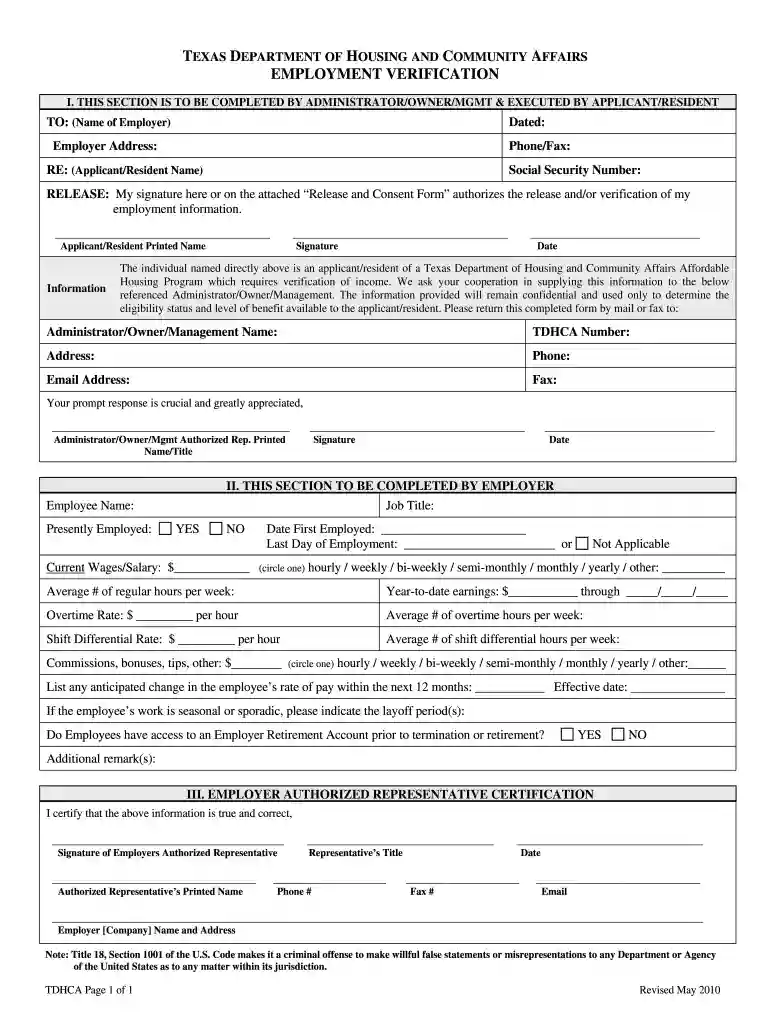
The Form 1028 Employment Verification is an official document used primarily to confirm an individual's employment status, income, and other related information. This form is essential for various processes, including eligibility assessments for affordable housing programs and certain government assistance programs. It serves as a declaration from an employer regarding an employee’s job status, which typically includes details such as job title, duration of employment, wages, and whether the employment is full-time or part-time.
Employers are responsible for accurately filling out the form to ensure the integrity of the verification process and to assist employees in meeting the requirements for benefits such as food stamps. Understanding the purpose and implications of Form 1028 can enhance its utility, ensuring that recipients receive needed support without delay.
Filling out the Form 1028 Employment Verification correctly is crucial to avoid complications. Here is a step-by-step process to guide both employers and employees:
Obtain the Form: The form can be accessed as a downloadable PDF from authorized sources, ensuring you have the most current version.
Employee Authorization: The employee must authorize the release of their employment information. This can typically be done by signing a section on the form itself.
Employer Information: The employer needs to provide their company name, address, and contact information. It is important to include any relevant identifiers such as employee ID numbers.
Employee Details: Fill in the employee's full name, position, and duration of employment. It is essential to provide accurate dates to confirm how long the employee has worked in their current role.
Income Verification: The employer should indicate the employee's current wages and whether the position is full-time or part-time.
Signature and Date: The designated employer representative must sign the form and date it, affirming the accuracy of the information provided.
Submission: Ensure the form is submitted to the relevant agency or organization requesting the verification in accordance with their guidelines.
Completing each step with thoroughness improves the likelihood of successful processing and verification of employment status.
Various parties utilize the Form 1028 Employment Verification for different purposes. Knowing who uses this form can help in understanding its importance:
Employees Seeking Benefits: Individuals applying for social assistance programs, such as food stamps or housing assistance, often need this form to verify their income.
Employers: Companies may use this form to confirm employment status for reference when their employees apply for loans or other assistance where income verification is required.
Government Agencies: Organizations that administer public assistance programs require accurate employment information through this form to ensure eligibility based on reported income.
Financial Institutions: Banks or credit companies might request the form from applicants seeking financing based on their employment history and income stability.
Understanding the diverse users of the Form 1028 creates a comprehensive view of its significance in both personal finance and enterprise contexts.
While the Form 1028 Employment Verification serves a common purpose across states, it is important to be aware of specific state-level regulations that may impact its use:
Verification Standards: Some states may require additional documentation alongside the Form 1028 to substantiate employment claims, such as pay stubs or tax documents.
Submission Guidelines: States might have different submission processes or designated agencies in charge of receiving these forms, which could affect how and where the forms are to be sent.
Confidentiality Laws: Privacy laws vary by state, impacting the level of detail that can be disclosed on the form. Employers must comply with state regulations regarding employee information confidentiality.
Approval Timelines: The timeframe for processing employment verifications can differ, with some states mandating specific response timeframes for employers when requests are made.
Understanding these nuances can facilitate smoother transactions and compliance with local regulations.
Legal considerations are essential when utilizing the Form 1028 Employment Verification. This form is not merely a bureaucratic requirement; it holds legal weight in various contexts:
Compliance with Federal Laws: The form must comply with the Fair Labor Standards Act (FLSA) regarding wage and employment verification, ensuring accurate and truthful information is provided.
Potential for Legal Disputes: Misrepresentation or inaccuracies in the form can lead to legal challenges, particularly if an employer misstates an employee's income or work status.
Data Protection Regulations: Employers must follow data protection laws, such as the General Data Protection Regulation (GDPR) when applicable, to ensure the confidentiality of the employee's information.
Audits and Investigations: The form may be subjected to audits by government authorities, which may verify the accuracy of the information provided against other records.
Proper adherence to these legal requirements can safeguard both employers and employees from potential disputes or penalties.
We've got more versions of the form 1028 employment verification form. Select the right form 1028 employment verification version from the list and start editing it straight away!
At DocHub, your data security is our priority. We follow HIPAA, SOC2, GDPR, and other standards, so you can work on your documents with confidence.
An employer or recruiter or referrer for a fee must examine documents that evidence the identity and employment authorization of the individual.Read more
My SSN can be used to get facts about my employment. I also allow the employer listed on this form to give facts asked on this form to HHSC. Signature. Date.Read more
Mar 31, 2021 Indicate by check mark whether the registrant (1) has filed all reports required to be filed by Section 13 or 15(d) of the SecuritiesRead more


