




01. Edit your schedule b tax form online
Type text, add images, blackout confidential details, add comments, highlights and more.

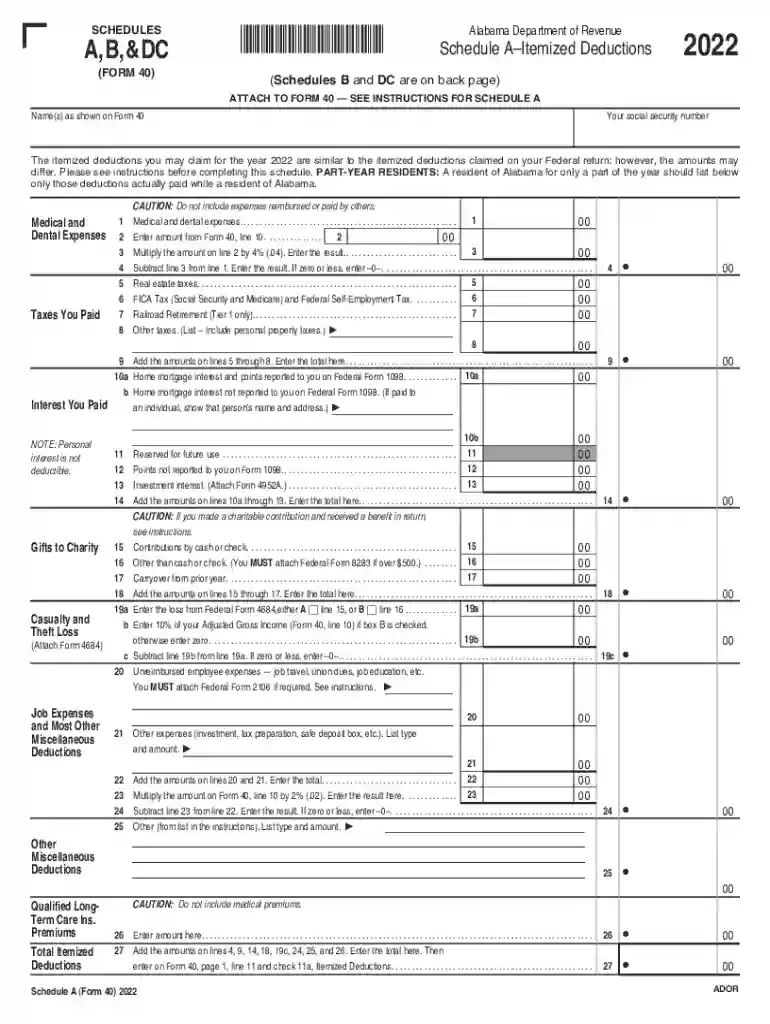
Type text, add images, blackout confidential details, add comments, highlights and more.

Draw your signature, type it, upload its image, or use your mobile device as a signature pad.

Send schedule b form via email, link, or fax. You can also download it, export it or print it out.
The Schedule B IRS Form is used to report interest and ordinary dividend income on individual tax returns. It is part of the broader 1040 tax form and is essential for those whose combined interest and dividend income exceed $1,500. Schedule B provides a structured way for taxpayers to disclose specific financial details about their income, helping the IRS ensure accurate taxation.
Gather Relevant Financial Documents: Collect all necessary documentation, such as bank statements and dividend reports, that detail the interest and dividend income received throughout the year.
Fill Out Part I - Interest Income: List each source of interest income separately, including the payor's name and the amount received. Total your interest income at the bottom of this section.
Complete Part II - Ordinary Dividends: Similar to interest, list each dividend separately along with the payor's name and amount. Calculate the total dividends at the section's end.
Part III - Foreign Accounts and Trusts: Declare any financial interests in or signatory authority over foreign accounts if applicable by answering the questions and providing additional information as required.
Check Calculations: Review all entries for accuracy, ensuring that totals are correct before finalizing the form.
Schedule B is primarily used by individuals, including:


The IRS provides detailed instructions for Schedule B, which taxpayers must follow carefully. Key guidelines include:
To accurately complete Schedule B, gather:
Failing to file Schedule B when required or providing incorrect information can lead to:
By following these steps and guidelines, taxpayers can ensure they remain compliant with IRS regulations when reporting interest and dividend income on Schedule B.
We've got more versions of the schedule b tax form form. Select the right schedule b tax form version from the list and start editing it straight away!
At DocHub, your data security is our priority. We follow HIPAA, SOC2, GDPR, and other standards, so you can work on your documents with confidence.
The purpose of these workshops is to provide general guidance and knowledge to international students and scholars on the process of filing Federal and StateRead more
May 22, 2026 Use Schedule B (Form 1040) if any of the following applies: You had over $1,500 of taxable interest or ordinary dividends.Read more


