




Here's how it works

01. Edit your form online
Type text, add images, blackout confidential details, add comments, highlights and more.

02. Sign it in a few clicks
Draw your signature, type it, upload its image, or use your mobile device as a signature pad.

03. Share your form with others
Send it via email, link, or fax. You can also download it, export it or print it out.
How to use or fill out Wisconsin Medicaid for the Elderly, Blind or Disabled Divestment with our platform

- Click ‘Get Form’ to open the Wisconsin Medicaid for the Elderly, Blind or Disabled Divestment application in the editor.
- Begin by filling out Section I – Applicant Information. Provide your name, birth date, and phone number. Ensure you indicate if you are a resident of Wisconsin.
- In Section II – Pregnancy Information, enter details about your pregnancy, including the expected delivery date and number of babies.
- Proceed to Section III – Income Information. Collaborate with your provider to accurately report your household size and total monthly income from both earned and unearned sources.
- Review Section IV – Notice carefully. Confirm eligibility based on the information provided and ensure all required signatures are completed before submission.
Start using our platform today to easily complete your Wisconsin Medicaid application online for free!
Fill out Wisconsin Medicaid for the Elderly, Blind or Disabled Divestment online
It's free
It's free
See more Wisconsin Medicaid for the Elderly, Blind or Disabled Divestment versions
We've got more versions of the Wisconsin Medicaid for the Elderly, Blind or Disabled Divestment form. Select the right Wisconsin Medicaid for the Elderly, Blind or Disabled Divestment version from the list and start editing it straight away!
Got questions?
We have answers to the most popular questions from our customers. If you can't find an answer to your question, please contact us.
Contact us
What is a Medicaid divestment?
A divestment is defined as any transfer of income, non-exempt assets, or homestead property belonging to the Medicaid applicant and/or his or her spouse for less than fair market value. Any divestment during the applicable look-back period triggers a period of Medicaid ineligibility, with certain limited exceptions.
How do I protect my assets from Medicaid in Wisconsin?
Assets in a Revocable Living Trust are open and available to you; therefore, they are also open and available to Medicaid. What would make your assets safe is an Irrevocable Trust. The Irrevocable Trust allows you to protect your assets from Medicaid.
Which is not considered a countable asset under Medicaid?
Exempt assets are those which Medicaid will not take into account (at least for the time being). In general, the following are the primary exempt assets: Home, no matter what its value. The home must be the principal place of residence.
What assets are exempt from Medicare in Wisconsin?
What are not countable assets? Your home (if the community spouse or other dependent relative lives there). One car. Burial assets (such as insurance, some amounts in irrevocable burial trusts, and plots). Household furnishings. Clothes and other personal items.
What is the Medicaid asset limit in Wisconsin?
The asset limit for Medicaid eligibility is $2000 assets at the end of each month eligibility is needed. Exemptions from the $2000 asset calculation include irrevocable prepaid funeral/burial expenses, life insurance with a face value of $1500 or less and one vehicle.
Security and compliance
At DocHub, your data security is our priority. We follow HIPAA, SOC2, GDPR, and other standards, so you can work on your documents with confidence.
Learn more


Related forms

Form 40
The document is the NCR Annual Financial Statement Return Form, which requires registered entities to report their finan ...
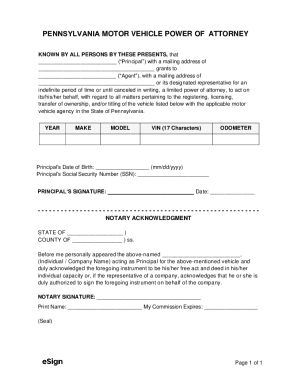
Pennsylvania Motor Vehicle (DMV) Power of Attorney
The document is a Pennsylvania Motor Vehicle Power of Attorney, allowing the Principal to grant an Agent the authority t ...

Dental hygiene observation form
The document is a Dental Office Observation Form for applicants to the University of Arkansas for Medical Sciences' Depa ...

CANCELLATION CLAIM FORM Claim Number - csal co
The document is a Cancellation Claim Form for travel insurance, outlining the process for submitting a claim due to trip ...

MATCF - Marriage Allowance transfer Complete this form to transfer 10% of your Personal Allowance to
MATCF - Marriage Allowance transfer Complete this form to transfer 10% of your Personal Allowance to
The document outlines the Marriage Allowance transfer process, allowing individuals to transfer 10% of their Personal Al ...
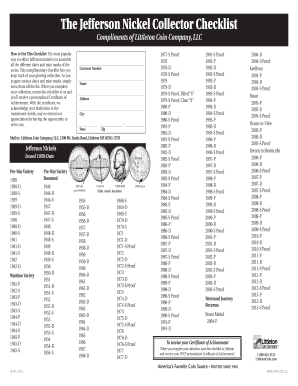
The jefferson nickel collector checklist
The document is a checklist provided by Littleton Coin Company for collectors of Jefferson nickels, detailing the variou ...

AFFIDAVIT OF PARENTAGE (FRONT) - mdhs state mi
The document is an Affidavit of Parentage form from the State of Michigan's Family Independence Agency, designed to esta ...


