Definition and Meaning of "Form Online"
Forms are integral tools commonly used for gathering necessary information and data in various contexts, from business operations to educational applications. The term "form online" refers specifically to digital versions of these forms that can be filled out and submitted via the internet. These online forms eliminate the need for paper-based processes, facilitating a more streamlined, efficient method of data collection and submission. Users benefit from the convenience of completing these forms from anywhere, ensuring accessibility for individuals with different needs and circumstances. Whether for official, academic, or personal purposes, understanding the scope and utility of online forms is crucial for navigating today's digital landscape effectively.
Key Advantages of Online Forms
- Accessibility: Forms online can be accessed and completed from any internet-enabled device, removing geographical or time constraints.
- Efficiency: Streamlines the form submission process by removing the need for physical copies, postage, or in-person delivery.
- Real-time Updates: Allows for instant modifications and quick responses, minimizing delays associated with traditional methods.
- Environmentally Friendly: Reduces the reliance on paper, contributing to sustainable practices.
Steps to Complete the Form Online
Successfully completing an online form involves several key steps designed to ensure that the data collected is accurate and comprehensive. Here is a typical sequence that users might follow:
- Access the Form: Navigate to the website hosting the form, ensuring you have the appropriate access permissions.
- Read Instructions Carefully: Before starting, review any specific instructions or guidelines provided to avoid errors.
- Enter Personal Information: Fill out sections requiring personal data, such as name, contact details, and identification numbers.
- Complete Specific Sections: Provide detailed information in specialized fields relevant to the form's purpose, such as educational qualifications or financial data.
- Review for Accuracy: Double-check all provided details to ensure there are no mistakes or omissions.
- Submit the Form: Follow the website's submission protocols, which typically involve clicking a "Submit" button.
- Save Confirmation: Upon successful submission, save or print any confirmation page or email as proof of submission.
Common Mistakes to Avoid
- Incomplete Fields: Ensure all required fields are filled out to prevent processing delays.
- Incorrect Information: Cross-reference information with official documents to avoid discrepancies.
- Missing Deadlines: Be mindful of submission deadlines to ensure your form is considered.
How to Obtain the Form Online
Obtaining an online form typically involves a straightforward process, accessible through various pathways depending on the issuing entity:
- Official Websites: Retrieve forms directly from the respective organization's website, such as government portals for tax-related forms.
- Email Requests: Some entities provide forms via email, allowing access through requests to an official or designated point of contact.
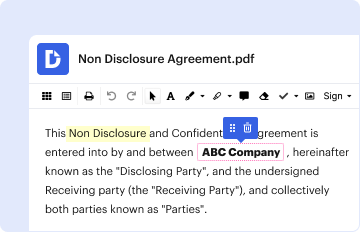
- Third-Party Platforms: Forms may also be accessible through platforms like DocHub, Streamlining accessibility with services for form editing and management.
Verifying Form Authenticity
- Secure URLs: Ensure the website URL is secure and begins with "https://" to protect sensitive information.
- Official Domains: Use trusted domains (e.g., .gov for government forms) to reduce the risk of phishing or fraudulent scams.
- Cross-Reference Sources: Check multiple sources to verify the legitimacy of a form before submission.
Legal Use of the Form Online
Legal considerations surrounding the use of online forms encompass ensuring compliance with applicable laws and regulations:
- Data Privacy: Adherence to data protection laws, such as the GDPR or CCPA, is critical when handling personal information.
- Consent Mechanisms: Online forms must often include consent checkboxes to authorize data collection.
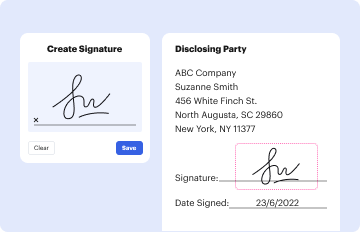
- Electronic Signatures: Legal frameworks like the ESIGN Act provide validity to digital signatures, streamlining processes like contract signing.
Ensuring Compliance
- Regularly review and stay updated on relevant legal requirements to avoid penalties or violations.
- Implement robust data protection protocols to safeguard personal and sensitive information.
Key Elements of the Form Online
Recognizing the critical components of an online form helps ensure that its construction supports effective data collection and compliance:
- Field Types: Includes text boxes, dropdown menus, and radio buttons for diverse data collection needs.
- Validation Rules: Mechanisms that ensure data submitted meets defined criteria, such as date formats or numerical ranges.
- Submission Confirmation: Automated acknowledgment of form receipt to provide submitters with verification of completion.
Enhancing user Experience
- Incorporate clear instructions and feedback mechanisms to guide users through the form process.
- Use conditional fields to dynamically adapt the form based on user responses, enhancing relevance and user-friendliness.
Software Compatibility and Integration
Online forms often require compatibility with other software solutions to maximize their usability and efficiency:
- Integrations: Many platforms like DocHub offer seamless interactions with storage solutions like Google Drive or Dropbox.
- Cross-Platform Use: Ensures forms are accessible and functional on various devices and operating systems.
- Export Options: Facilitates data transfer between forms and other software applications, such as exporting form data to spreadsheets.
Practical Scenarios
- Businesses might integrate forms with CRM systems to automatically update customer profiles.
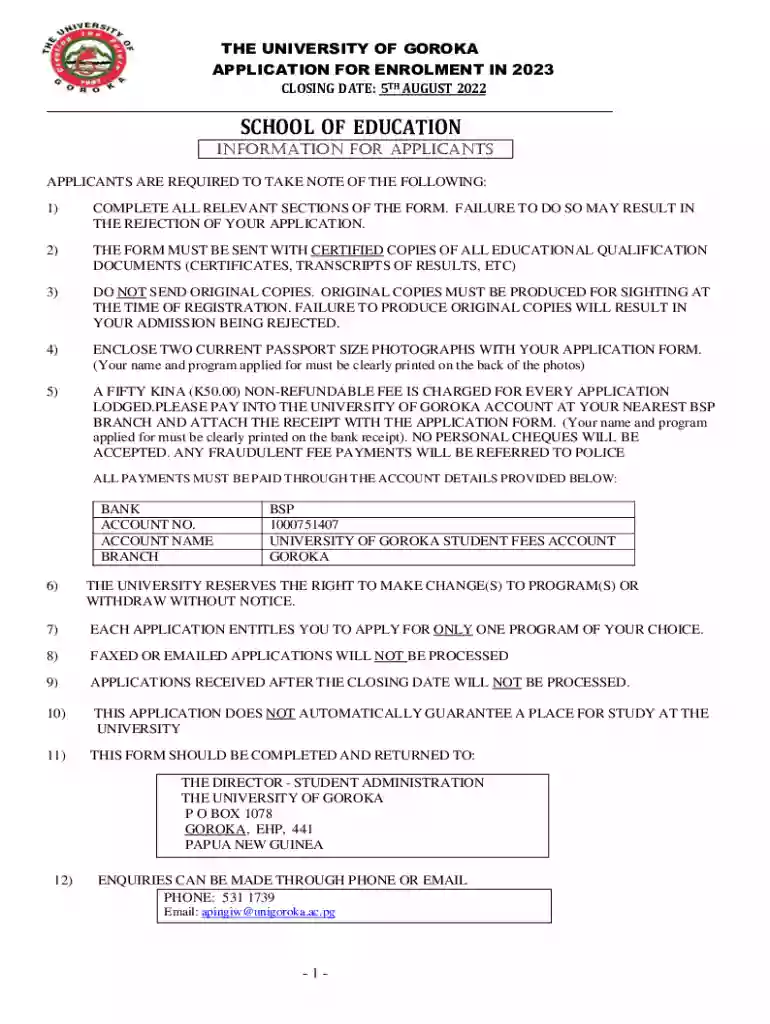
- Educational institutions may use form data to populate databases for student admissions or faculty records.
Versions or Alternatives to the Form Online
Understanding the available variations of a form enhances flexibility and choice in how data collection is managed:
- Digital vs. Paper Versions: Some forms are available both online and in paper format, offering versatility in how they are completed and submitted.
- Simplified Versions: For certain audiences, less detailed forms may be offered, focusing on core information requirements.
- Localized Versions: State-specific or industry-specific adaptations may exist to cater to unique compliance or operational needs.
Considerations When Choosing a Version
- Determine the context and requirements before selecting a form version to ensure it meets all necessary criteria for submission.
- Consider the preferences and capabilities of the intended user, particularly their access to technology when choosing online alternatives.