



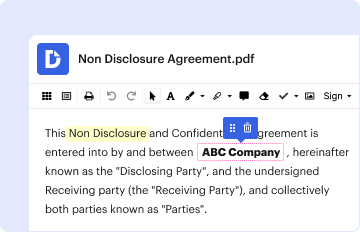
01. Edit your form online
Type text, add images, blackout confidential details, add comments, highlights and more.

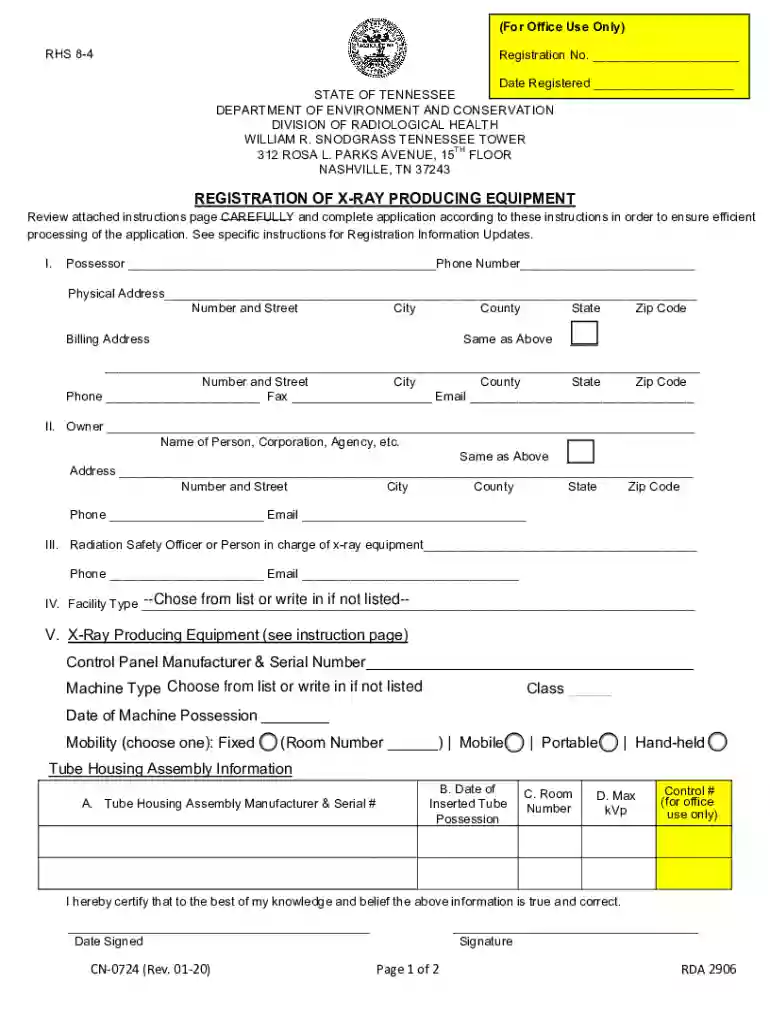
Type text, add images, blackout confidential details, add comments, highlights and more.
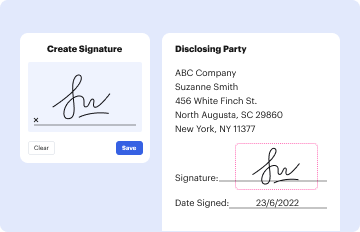
Draw your signature, type it, upload its image, or use your mobile device as a signature pad.

Send it via email, link, or fax. You can also download it, export it or print it out.
The "Authorization for Routine Health Services for - Tennessee" is a legal document that permits medical professionals to provide routine healthcare services to individuals in Tennessee without requiring separate permissions for each instance of care. This document ensures that healthcare providers can deliver necessary treatments in a timely manner while maintaining compliance with state regulations.
Routine health services typically encompass preventive health assessments, diagnostic check-ups, and necessary medical interventions that do not require the oversight of specialized healthcare professionals. The authorization serves as a preemptive agreement between patients and healthcare providers, facilitating an efficient workflow in medical facilities where routine services are frequently needed.
For patients, having this authorization in place minimizes the inconvenience of repeated paperwork, ensuring they receive timely care. For healthcare providers, it streamlines the process of delivering care, as they are able to administer pre-approved services without delays, improving overall patient throughput and satisfaction.
To effectively use the Authorization for Routine Health Services, it is important for both patients and healthcare providers to understand the scope of services covered under this document. Typically, services might include annual physicals, immunizations, routine blood tests, and other preventive measures.
Follow these steps to complete the authorization form and ensure its validity:
Obtain the Current Form: Make sure you have the latest version of the form, as requirements may change.
Review Required Information: Gather necessary personal information, such as full name, date of birth, and contact details.
Provide Service Authorization: Indicate specific services you agree to receive under this authorization.
Sign the Form: Provide a signature to authorize the document. This can often be done electronically through services like DocHub, which offers secure platforms for digital signatures.
Submit the Form: Depending on provider requirements, submit the form online, via mail, or in person.
Using the authorization for routine health services offers several benefits, particularly in enhancing efficiency and service accessibility:
This authorization includes the following critical components that ensure its legality and functionality:
Each element in this documentation serves a purpose, and omitting any section might result in invalidation of the form. Therefore, thorough completion is paramount.
This form is primarily used by:


Individuals with chronic conditions, parents managing healthcare for children, and busy professionals who value efficient healthcare engagements stand to benefit the most from this form.
In Tennessee, certain state-specific regulations govern the use of routine health service authorizations. These rules ensure compliance with broader medical legal standards:
Ensure both patients and providers remain updated with state regulations to maintain the legal validity of service authorizations. Regular training for healthcare staff about these rules can prevent administrative issues.
We've got more versions of the Authorization for Routine Health Services for - Tennessee form. Select the right Authorization for Routine Health Services for - Tennessee version from the list and start editing it straight away!
At DocHub, your data security is our priority. We follow HIPAA, SOC2, GDPR, and other standards, so you can work on your documents with confidence.


