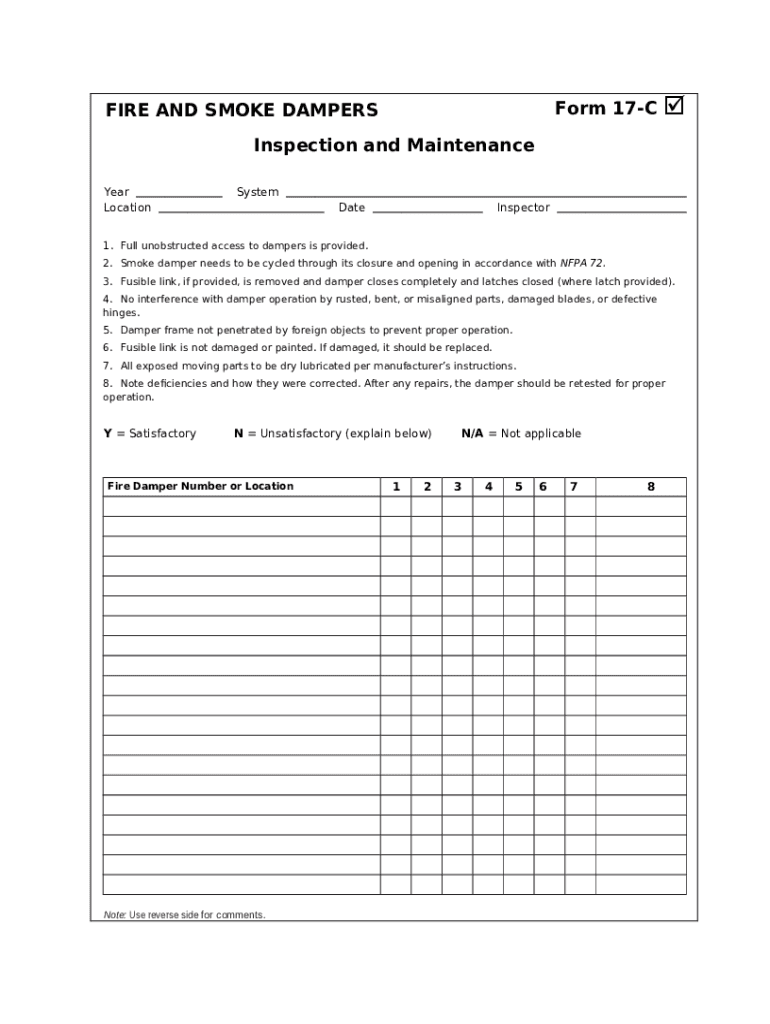







Definition & Importance of Fire, Smoke, and Combination Damper Inspection, Testing
Fire, Smoke, and Combination Dampers are vital components in building safety systems. Their primary function is to prevent the spread of fire and smoke through ductwork in the event of a fire, thereby enhancing occupant safety and protecting property. Regular inspection and testing are crucial to ensure that these dampers operate effectively in emergencies. These inspections help identify potential failures or malfunctions, ensuring compliance with safety codes and regulations.
Examples and Use Cases
- Hospital Safety: In healthcare facilities, regular damper testing helps maintain safe egress paths for patients and staff by controlling smoke spread.
- High-Rise Buildings: Dampers in high-rise buildings play a critical role in allowing safe evacuation and preventing fire escalation through different floors.
- Industrial Complexes: In facilities processing hazardous materials, damper efficacy is vital for containment and safety.
Steps to Complete the Fire, Smoke, and Combination Damper Inspection, Testing
Conducting inspections of fire, smoke, and combination dampers involves detailed steps to ensure thorough evaluation:
- Access the Dampers: Ensure clear access to each damper for visual inspection and testing procedures.
- Visual Inspection: Check for visible damage, obstruction, or signs of corrosion that might impede operation.
- Cycle the Damper: Operate the damper through its full range to ensure it moves freely without sticking or binding.
- Lubricate Moving Parts: Apply appropriate lubricants to hinges and pivot points, ensuring smooth operation.
- Test Actuators and Controls: Verify that electronic or pneumatic controls respond as required under both normal and emergency conditions.
- Record Findings: Document all findings, including any deficiencies, corrective actions taken, and recommendations for future maintenance.
Nuances & Edge Cases
- Obstructed Access: In some buildings, dampers might be hard to reach due to poor initial placement or retrofitted systems. Specialized access methods might be necessary.
- Seasonal Variability: Temperature fluctuations might affect damper materials, making regular checks in varying conditions critical.
Key Elements of the Fire, Smoke, and Combination Damper Inspection, Testing
The effectiveness of damper inspection and testing hinges on several key elements:
- Comprehensive Inspection Protocols: Utilizing a systematic approach ensures no aspect of damper operation is overlooked.
- Qualified Personnel: Inspections should be conducted by trained individuals familiar with the specific type of dampers used in the building.
- Documentation and Records: Meticulous record-keeping of inspections ensures a clear audit trail for compliance and future reference.
- Maintenance Schedule: Implementing routine schedules for inspection and maintenance helps prevent operational failures.
Legal Use and Compliance
Ensuring compliance with local and national fire safety regulations is a significant aspect of damper inspection and testing:
- NFPA Standards: The National Fire Protection Association outlines standards for damper testing, which many jurisdictions reference as compliance benchmarks.
- Local Codes: Jurisdictions may place additional requirements on testing frequencies or reporting that necessitate attention to local codes.
- Liability Concerns: Failure to comply with testing requirements can lead to legal ramifications, including fines and increased liability in the event of a fire incident.
Who Typically Uses the Fire, Smoke, and Combination Damper Inspection, Testing
This form is primarily utilized by various stakeholders responsible for building safety and compliance:
- Facility Managers: Often oversee the schedule and completion of damper inspections to maintain building safety compliance.
- Fire Safety Inspectors: Conduct inspections to ensure dampers operate correctly and meet regulatory standards.
- Building Owners: Hold ultimate responsibility for ensuring that damper systems within their properties are inspected and functioning adequately.


State-Specific Rules and Variations
While national standards provide a broad framework, states may impose specific rules affecting damper inspection:
- Frequency of Testing: States may dictate different testing frequencies, ranging from annually to every four years.
- Certification Requirements: Some states may require inspectors to hold specific certifications to conduct legally recognized inspections.
- Reporting Formats: Variations may exist in the documentation formats required by states for regulatory compliance.
Software Compatibility and Digital Integration
Managing damper inspection records has been streamlined through digital solutions:
- Cloud Storage Integration: Platforms like DocHub allow for seamless record storage and sharing, facilitating easy access and reporting.
- Compliance Tools: Using software that integrates compliance requirements can automate alerts for upcoming inspections or missing documentation.
- Mobile Access: Essential for professionals conducting inspections on-site, mobile-friendly platforms support real-time data entry and updates.
Required Documentation for Inspections
To successfully complete an inspection, certain documents and records are necessary:
- Previous Inspection Records: Reviewing past inspections helps identify recurring issues and track maintenance trends.
- Building Plans: These provide essential details on damper placement and access points.
- Maintenance Logs: Document routine maintenance activities like lubrication and actuator checks, key for comprehensive audit trails.
By following these guidelines, stakeholders can ensure that fire, smoke, and combination dampers function effectively, maintaining safety and regulatory compliance.