




Definition and Meaning
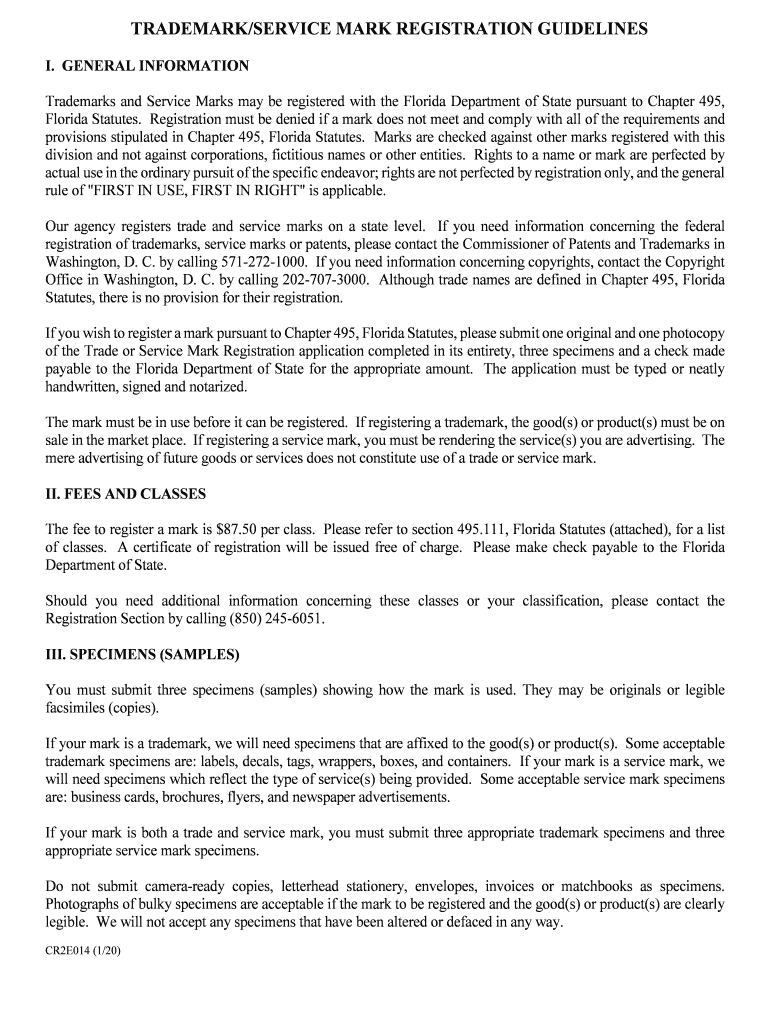
Trademarks and service marks play a crucial role in the business landscape. A trademark refers to a recognizable sign, design, or expression distinguishing products or services from a particular source. In contrast, a service mark is similar but specifically identifies and distinguishes the services of one provider from another. The registration guidelines provide a structured process to legally protect these marks, preventing misuse and establishing ownership rights. Understanding these guidelines ensures that businesses can secure their brands and maintain their unique identity in the marketplace.
Differences Between Trademarks and Service Marks
- Trademarks: Used for goods or products; a classic example is the Nike Swoosh logo or the shape of the Coca-Cola bottle.
- Service Marks: Used for services rather than goods; examples include the FedEx logo used for its courier services.
Legal Protection and Enforcement
Registration of a trademark or service mark offers legal ownership and exclusive rights to use the mark nationwide in connection with the goods and services listed in the registration. It enables the owner to take legal action against parties that use the mark without authorization.
Steps to Complete the Trademark/Service Mark Registration
Completing the registration of a trademark or service mark involves several steps aimed at ensuring that the mark being registered does not infringe upon existing marks and that it meets all statutory requirements.
-
Conduct a Search: Before filing, conduct a comprehensive search to ensure the mark is not already registered or in use.
-
Prepare the Application: Collect necessary details, including the design or expression of the mark, the goods/services it will represent, and evidence of its use or intended use in commerce.
-
File with the Appropriate Authority: Typically, for U.S. entities, this involves filing with the United States Patent and Trademark Office (USPTO) or a relevant state office.
-
Pay Filing Fees: Ensure that all required fees for the application process are paid, which vary depending on the nature of the submission.
-
Follow Up: After filing, monitor the progress of the application and respond promptly to any inquiries or actions from the examining authority.
Examples of Successful Registration
- Apple Inc.: The name and logo are both trademarked across various categories.
- McDonald's: Known for its golden arches service mark associated with fast food services.
Important Terms Related to the Guidelines
Understanding specific terms is essential for navigating the trademark/service mark registration process. Here are key terms:
-
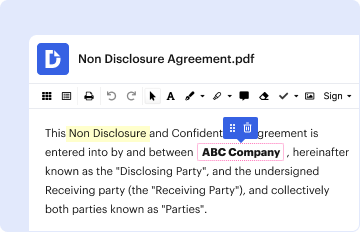
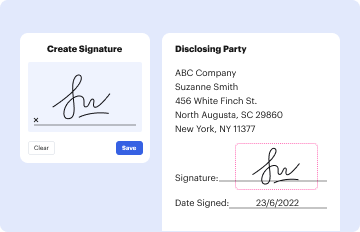
Specimen: An actual example of how the mark is used in commerce. For a product, this might be a label. For a service, a specimen could be a webpage where the service is offered.
-
Filing Basis: The legal basis on which the trademark/service mark application is filed. Common bases include “use in commerce,” “intent to use,” and “foreign registration.”
Commonly Misunderstood Terms
-
Infringement: Unauthorized use of a trademark or service mark which causes confusion about the source of goods or services.
-
Distinctiveness: A requirement that a mark must be distinctive to be registered, which ensures it can effectively identify and communicate the specific source of goods or services.
State-Specific Rules for Trademark Registration
While federal registration through the USPTO provides national protection, a business might also consider state trademarks for local protection, starting with understanding the specific state guidelines.
-
Florida: Governed by Chapter 495 of the Florida Statutes, requiring specific forms and fees.
-
California: Requires state-specific applications which differ from federal processes, often involving additional state-specific fees and documents.
Variations in State Procedures
- Some states may have simplified applications for businesses already holding a federal registration.
- Fees and documentation can vary significantly between states.
Required Documents for Registration
Accurate documentation is a necessity in the registration process to verify usage and ownership rights.
-
Proof of Use: Demonstrates that the mark is actively being used in commerce.
-
Detailed Description: Explains what the mark represents and how it is used.
-
Ownership Information: Details of the trademark or service mark owner, such as business name and entity type.
Common Documentation Errors
- Insufficient specimens that do not clearly show the mark's use.
- Incomplete or inconsistent filings where the described use does not match the provided specimens.
Legal Use of Registration Guidelines
Adhering to the legal stipulations within the registration guidelines ensures that a trademark or service mark remains protected and enforceable.
-
Compliance with Local Laws: Ensure all procedures align with both federal and state regulations.
-
Active Monitoring: Continued monitoring post-registration to confirm no unauthorized use occurs.
Legal Challenges and Disputes
- Regularly conducting trademark searches can help avoid legal disputes by identifying infringing marks early.
- Legal firms often recommend a periodic review of the registered mark's usage to guard against voluntary cancellation due to non-use.
Filing Deadlines and Important Dates
Adhering to filing deadlines is crucial in the trademark/service mark registration process to ensure timely and valid applications.
-
Initial Filing Date: Mark the date when the application is officially submitted.
-
Publication for Opposition Date: The time frame when others can challenge the mark before registration is finalized.
-
Response Deadlines: Periods for responding to any office actions or inquiries from the trademark office.
Consequences of Missing Deadlines
- Missing an initial filing deadline might result in a need to start the application from scratch.
- A delay in responding to office actions can cause abandonment of the application.
Penalties for Non-Compliance
Failing to adhere to guidelines and procedures can lead to serious consequences, detrimental to the legal standing of a trademark or service mark.
-
Involuntary Cancellation: Marks not used for an extended period may be canceled at the owner's loss.
-
Fines and Legal Consequences: In some cases, non-compliance may incur financial penalties or result in costly legal disputes.
Protecting Against Penalties
- Regularly review the statutory requirements for maintaining a mark.
- Use legal services to ensure compliance with renewal and usage requirements.
This thorough and detailed exploration of the trademark/service mark registration guidelines is intended to equip individuals and businesses with comprehensive knowledge, helping them navigate the complex legal landscape effectively and safeguard their intellectual property.




