
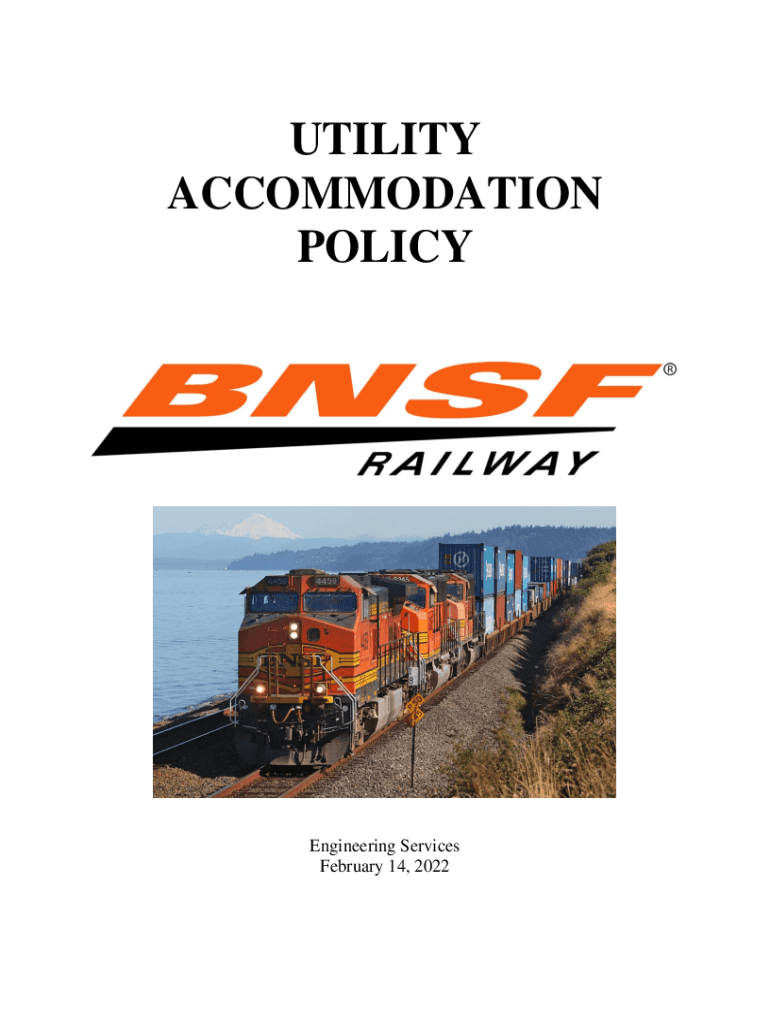







Definition & Meaning
The Grade Crossing Construction and Maintenance Agreement is a legal document used to establish the responsibilities and terms for the construction and upkeep of grade crossings where roads intersect with railway tracks at the same level. It serves as a formal contract between railroad companies and governing bodies or private entities responsible for the maintenance of these crossings. This agreement outlines the obligations related to the construction, inspection, and maintenance of the crossing infrastructure to ensure safety and operational efficiency. Understanding the contents and requirements of this document is crucial for entities involved, as it directly impacts local transportation safety and logistics.
How to Use the Grade Crossing Construction and Maintenance Agreement
To effectively utilize the Grade Crossing Construction and Maintenance Agreement, parties must first identify their respective roles within the document. They should thoroughly review sections detailing maintenance responsibilities, financial commitments, and safety protocols:
- Role Definitions: Determine which party is responsible for initial construction versus ongoing maintenance.
- Financial Obligations: Analyze the cost-sharing arrangements and budget allocations.
- Safety Standards: Ensure compliance with local and federal safety regulations.
Each party should engage legal counsel to understand their obligations fully and negotiate terms if necessary, ensuring clarity and adherence to the agreement's stipulations.
Key Elements of the Grade Crossing Construction and Maintenance Agreement
The agreement is comprised of several crucial elements that ensure comprehensive understanding and commitment by all parties involved:
- Construction Specifications: Defines the technical requirements for the crossing's infrastructure.
- Maintenance Schedules: Details periods and frequency for inspections and repairs.
- Cost Apportionment: Lays out financial responsibilities between railroad companies and governing bodies.
- Liability and Insurance: Specifies coverage limits and indemnification clauses.
- Termination Clauses: Describes the conditions under which the agreement can be dissolved.
By methodically addressing each of these components, the involved parties can minimize misunderstandings and disputes.
Steps to Complete the Grade Crossing Construction and Maintenance Agreement
Completing this agreement involves several key steps:
- Coordinating Stakeholders: Gather all parties including legal representatives to discuss obligations.
- Drafting Terms: Develop a draft that outlines construction materials, maintenance timelines, and financial arrangements.
- Reviewing Provisions: Collaborate with legal advisors to review clauses regarding liability and compliance standards.
- Signing the Agreement: Once finalized, all parties provide signatures, indicating their adherence to the terms.
- Retaining Copies: Ensure each party retains a copy of the signed agreement for records and future reference.
By following these steps, the agreement process is streamlined, reducing the potential for delays and complications.
Legal Use of the Grade Crossing Construction and Maintenance Agreement
This agreement must be used within the bounds of U.S. state and federal law, particularly those applying to transportation infrastructure and public safety:
- Regulatory Compliance: Ensures adherence to Federal Railroad Administration (FRA) safety standards.
- Local Ordinances: Aligns with municipal regulations governing public works.
- Conflict Resolution: Contains clauses to resolve disputes in a manner consistent with legal precedents.
By ensuring compliance with relevant laws, the agreement protects involved parties from legal disputes and liabilities.
State-Specific Rules for the Grade Crossing Construction and Maintenance Agreement
Different states may impose unique requirements or modifications to the agreement:
- California: May require additional environmental impact assessments.
- Texas: Might have variations in financial responsibility due to different public infrastructure policies.
- Illinois: Usually includes comprehensive audit procedures to ensure regulatory compliance.
Understanding state-specific nuances is crucial for correctly implementing the agreement within different jurisdictions.
State-by-State Differences
The agreement may vary significantly based on the state in which the crossing is located:
- Specific Funding Programs: Many states offer unique financial programs to support crossing construction.
- Permitting Processes: The procedures for securing necessary permits can differ markedly.
- Regional Safety Protocols: Tailored safety standards to accommodate local geographic and demographic variables.
Through understanding these differences, involved parties can ensure that the agreement is comprehensive and reflective of local priorities.
Versions or Alternatives to the Grade Crossing Construction and Maintenance Agreement
Depending on specific needs, there may be alternative forms or versions:
- Simplified Agreements: For minor crossing projects with reduced complexity.
- Joint Development Agreements: When other infrastructure developments are being planned concurrently.
Examining these alternatives can offer parties flexibility in addressing their specific circumstances, ensuring the most appropriate contractual arrangement is in place.




