




Here's how it works
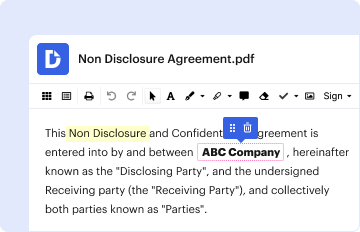
01. Edit your form online
Type text, add images, blackout confidential details, add comments, highlights and more.
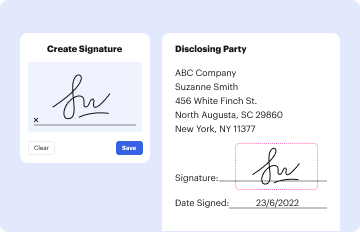
02. Sign it in a few clicks
Draw your signature, type it, upload its image, or use your mobile device as a signature pad.

03. Share your form with others
Send it via email, link, or fax. You can also download it, export it or print it out.
How to use or fill out Filing your tax return - Oregon Division of Financial Regulation with DocHub

- Click ‘Get Form’ to open it in the editor.
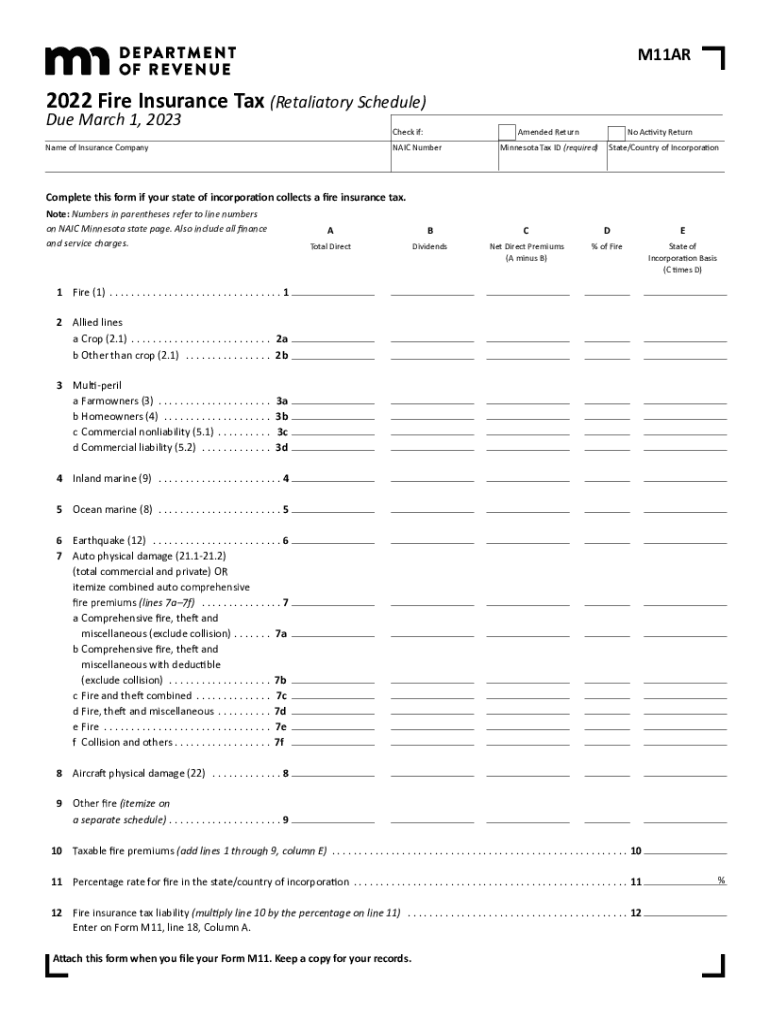
- Begin by checking the appropriate boxes at the top of the form. Indicate if this is an Amended Return or a No Activity Return based on your situation.
- Fill in the Name of Insurance Company and NAIC Number. Ensure you provide your Minnesota Tax ID, as it is required for processing.
- Proceed to enter all relevant fire premiums written in Line 1. Follow with Lines 2a and 2b for crop premiums, ensuring accuracy as these figures are crucial for tax calculations.
- Continue filling out Lines 3 through 9, entering multi-peril premiums and any other applicable insurance types as specified in the instructions. Be thorough to avoid discrepancies.
- Finally, calculate your Fire Insurance Tax Liability by multiplying the total taxable fire premiums by the percentage rate indicated on Line 11. Enter this amount on Form M11.
Start using our platform today to streamline your tax filing process for free!
Fill out Filing your tax return - Oregon Division of Financial Regulation online
It's free
It's free
See more Filing your tax return - Oregon Division of Financial Regulation versions
We've got more versions of the Filing your tax return - Oregon Division of Financial Regulation form. Select the right Filing your tax return - Oregon Division of Financial Regulation version from the list and start editing it straight away!
Got questions?
We have answers to the most popular questions from our customers. If you can't find an answer to your question, please contact us.
Contact us
What does the Oregon Division of Financial Regulation do?
Regulating to ensure the safety and soundness of banks, trusts, and credit unions, and examining other financial institutions for compliance. Regulating the sale of investment securities in Oregon, reviewing securities offerings, and licensing those who sell them and those who advise about or manage securities. Division of Financial Regulation - Oregon.gov Oregon.gov dcbs about pages dfr Oregon.gov dcbs about pages dfr
What is the free filing tool in Oregon?
Direct File Oregon is free to use and can help prevent some errors. Direct File Oregon provides some guidance for common deductions and credits, performs math calculations, computes tax, and provides links to instructions.
What is the main purpose of the financial sector regulation?
Department of Consumer and Business Services Department of Consumer and Business Services : Oregons largest consumer protection and business regulatory agency : About us : State of Oregon. Oregons largest consumer protection and business regulatory agency Oregon.gov dcbs about pages regulat Oregon.gov dcbs about pages regulat
Does Oregon require you to file a tax return?
For Oregon Residents: If your gross income is greater than the amount corresponding to your filing status and boxes checked, you are required to file an Oregon state tax return.
What is the financial regulation of Oregon?
The Division of Financial Regulation is a government office that protects Oregonians access to fair products and services. The Division of Financial Regulation reviews complaints about insurance companies, banks, credit unions, student loan companies, investment companies, and collection agencies.
Security and compliance
At DocHub, your data security is our priority. We follow HIPAA, SOC2, GDPR, and other standards, so you can work on your documents with confidence.
Learn more


People also ask
What is the financial regulation?
The main aim is to promote and enhance the integrity of the financial sector, protect users and customers, and promote and maintain financial stability. Law Made Simple: Financial Sector Regulation - Lawful Living Lawful Living law-made-simple text fina Lawful Living law-made-simple text fina
Does Oregon have a 183 day rule?
This 200-day rule is a critical threshold that distinguishes Oregon from many other states that use the more common 183-day standard for tax residency determination. The Oregon Department of Revenue considers several factors when determining if you qualify as a tax resident, with domicile being the cornerstone concept.