
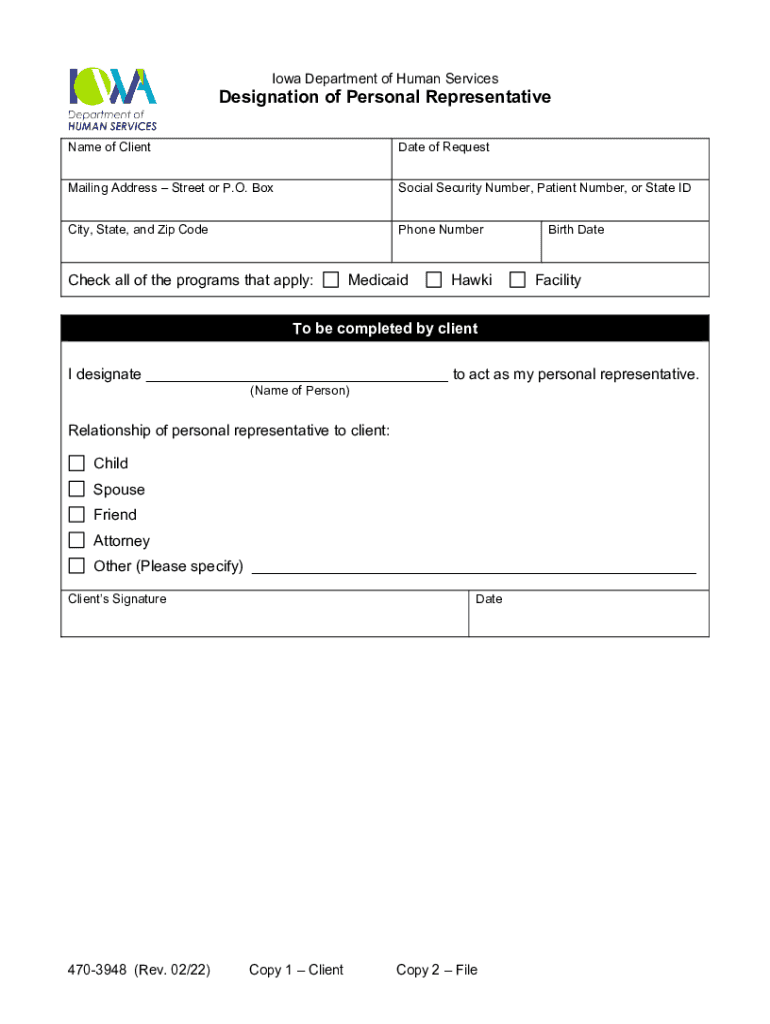







Definition & Meaning
The "Steps Following the Death of a Loved One Iowa Attorney" form serves as a comprehensive guide for individuals in Iowa navigating the legal and administrative tasks that arise after the death of a loved one. This document outlines essential steps such as notifying relevant authorities, handling the deceased’s estate, managing legal affairs, and understanding probate processes. It provides a structured approach to ensure all necessary actions are taken in a timely and organized manner. This form is particularly crucial for those who might not be familiar with legal procedures or the documentation required in such sensitive situations.
How to Use the Steps Following the Death of a Loved One Iowa Attorney
To effectively use this form, individuals should first familiarize themselves with each section and the requirements it outlines. Start by reviewing the initial steps, such as obtaining a death certificate and notifying the Social Security Administration. It is essential to follow each step sequentially to ensure all aspects of the process are covered. The form may also include guidance on contacting an Iowa attorney for more complex legal matters, ensuring beneficiaries or executors can manage the estate efficiently. Additionally, users should keep this document accessible for reference throughout the process.
Steps to Complete the Steps Following the Death of a Loved One Iowa Attorney
-
Obtain the Death Certificate: Contact the local health department or vital records office to acquire official death certificates.
-
Notify the Necessary Parties: Inform institutions such as banks, insurance companies, and government agencies of the death.
-
Review the Will: If there is a will, ensure it is located and reviewed to understand the deceased’s wishes and appoint an executor.
-
Initiate Probate: If required, file the will with the probate court to begin the legal process of distributing the deceased's assets.
-
Manage Financial Affairs: Settle any outstanding debts and transfer ownership of financial assets as indicated by the deceased’s estate plans.
-
File Final Tax Returns: Complete and file any remaining state and federal tax returns for the deceased.
These steps should be approached methodically to ensure all obligations are met.
Important Terms Related to Steps Following the Death of a Loved One Iowa Attorney
- Probate: The legal process through which a deceased person’s will is validated, and the estate is settled under court supervision.
- Executor: The individual appointed to manage the estate, ensuring the deceased’s final wishes are carried out.
- Estate Taxes: Taxes that may apply to the transfer of property upon someone's death, depending on the value of the estate.
- Beneficiary: A person named in a will or trust to receive assets from the deceased's estate.
- Intestate: When a person dies without a valid will, leading to the estate being distributed according to state laws.
Understanding these terms is critical for navigating the legal landscape post-death.
Legal Use of the Steps Following the Death of a Loved One Iowa Attorney
The form is legally significant as it outlines the procedural aspects of handling a deceased person's affairs in accordance with Iowa state law. It ensures compliance with legal requirements, particularly in areas such as probate and the distribution of the estate. Consulting with an Iowa attorney can provide clarity on any legal ambiguities and ensure that all actions taken are within the bounds of state law. This form also can protect the executor or administrator from personal liability if the estate is handled properly and legally.
State-Specific Rules for the Steps Following the Death of a Loved One Iowa Attorney
In Iowa, specific state laws dictate the probate process and estate handling. Iowa operates under the Iowa Probate Code, which outlines how estates must be administered, including notifying heirs and creditors. Iowa also has unique rules regarding simplified probate procedures for smaller estates, known as "Small Estate Affidavits." Executors and beneficiaries must be aware of these provisions to take advantage of more streamlined processes in qualifying cases. State laws also govern the timeline and order of asset distribution, ensuring fair and equitable handling of the deceased’s estate.
Required Documents
Several documents are essential to manage affairs after a loved one’s death. These include:
- Certified Death Certificates: Legal proof of death, necessary for closing accounts and claims.
- The Last Will and Testament: Outlines the deceased’s wishes regarding the disposition of assets.
- Financial Records: Includes bank statements, retirement accounts, and life insurance policies.
- Property Deeds and Titles: Proof of ownership for real estate and vehicles.
- Tax Returns: Previous and final tax returns to address any outstanding obligations with the IRS.
Having these documents organized and accessible expedites the resolution of the estate.
Form Submission Methods (Online / Mail / In-Person)
Submitting necessary documentation and forms can typically be done through multiple channels:
- Online: Many government and financial services offer secure online portals for document submission and management.
- Mail: Certified mail provides a paper trail and assurance for delivering sensitive documents, especially pertinent for formal legal filings.
- In-Person: Direct submission at offices, such as probate courts or financial institutions, ensures immediate processing and receipt confirmation.
Choosing the right submission method depends on the document type and urgency.
Penalties for Non-Compliance
Failure to adhere to legal requirements and timeline constraints can lead to significant penalties:
- Financial Penalties: Fines for late tax filings or unresolved debts.
- Delayed Probate: Non-compliance can prolong probate, delaying asset distribution.
- Legal Consequences: Executors may face personal liability or lawsuits from beneficiaries or creditors.
Compliance is key to avoiding these repercussions and ensuring the estate is settled efficiently.




