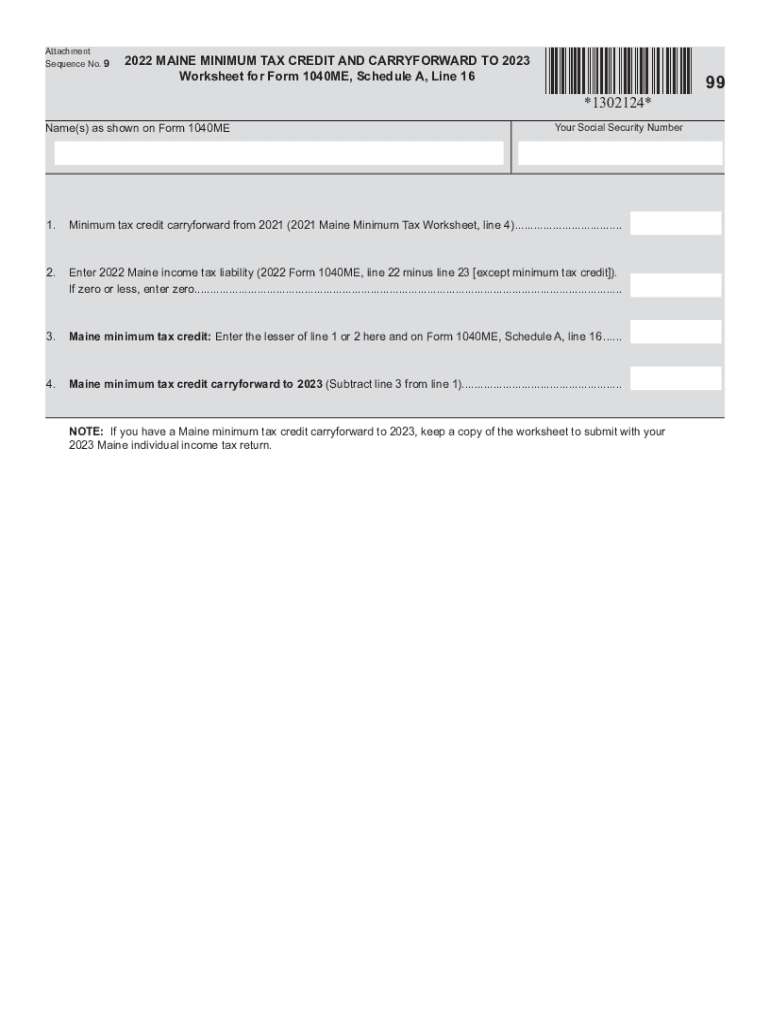







Definition and Purpose of IRS Form 6251
IRS Form 6251 is known as the Alternative Minimum Tax (AMT) form. It is utilized by taxpayers in the United States to determine whether they are subject to the AMT, which is designed to ensure that individuals and corporations pay at least a minimum amount of tax. This form recalculates income tax using a different set of rules that add back certain deductions and credits, possibly leading to an additional tax liability for the filer. The aim is to prevent high-income earners from avoiding their fair share of taxes through numerous deductions.
How to Use IRS Form 6251
To use IRS Form 6251, begin by calculating your alternative minimum taxable income (AMTI). This process involves adding back adjustments and preference items to your regular taxable income. Adjustments may include state and local tax deductions, while preference items might involve depreciation differences. After determining your AMTI, apply the AMT exemption amount to compute your AMT liability. If the AMT liability is greater than your regular tax liability, the excess becomes payable. TurboTax and other tax software can facilitate this calculation, ensuring accuracy and compliance.
Obtaining IRS Form 6251
IRS Form 6251 can be obtained through various means. It is available for download directly from the Internal Revenue Service (IRS) website as a PDF document. Taxpayers can also access the form through tax preparation software like TurboTax or by visiting physical IRS locations. Obtaining the form through digital means is recommended for most taxpayers, as electronic versions are easier to update and less prone to errors compared to paper forms.
Steps to Complete IRS Form 6251
- Calculate Regular Taxable Income: Begin by completing your 1040 tax return to ascertain your regular taxable income.
- Compute Adjustments and Preferences: Adjust your income by adding back certain deductions like state taxes.
- Determine AMT Exemption: Apply any applicable AMT exemption, differentiated by filing status.
- Calculate AMT: Subtract the exemption from the AMTI to find your tentative minimum tax.
- Compare with Regular Tax: If the AMT is higher than your regular tax, the difference is what you owe.
Each step requires careful attention to ensure all items are correctly calculated and no deductions are overlooked. Tax preparation software often provides a step-by-step guide to simplify this complex process.
Who Uses IRS Form 6251
Typically, high-income taxpayers or those with high deductions, such as state and local taxes or mortgage interest, might need to use Form 6251. This applies to individuals, estates, and certain trusts. Specific situations, like exercising incentive stock options or receiving tax-exempt interest on private activity bonds, could trigger AMT considerations. Reviewing the AMT guidelines provides clarity on whether filing this form is necessary.
Important Terms Related to IRS Form 6251
- Alternative Minimum Tax (AMT): A parallel tax system that ensures minimum taxation.
- AMT Exemption: A variable threshold that reduces taxable income under AMT.
- AMT Preferences and Adjustments: Items or deductions that might be added back to income.
- Tentative Minimum Tax: Calculated AMT before subtracting regular tax.
Understanding these terms assists in comprehending the complexities of the AMT system, aiding compliance and tax efficiency.
Filing Deadlines for IRS Form 6251
The deadline for IRS Form 6251 coincides with the standard federal tax filing date, usually April 15. Extensions are permissible, granting an additional six months to file, but taxes owed remain due by the original deadline to avoid interest and penalties. Professional tax advisors can assist in determining whether extensions are suitable given individual circumstances.
Penalties for Non-Compliance
Failing to file IRS Form 6251 when required can lead to significant penalties, including interest on unpaid taxes and fines for underpayment. The IRS may enforce further compliance actions for deliberate non-compliance. Accurate and timely filing, facilitated by tools like TurboTax, helps avoid these financial and legal repercussions.
Taxpayer Scenarios Necessitating IRS Form 6251
- High Earners: Individuals with income exceeding specific thresholds.
- Self-Employed: Participants in businesses might encounter complexity due to business-specific deductions.
- Individuals with Incentive Stock Options: The exercise of these options can lead to alternative minimum tax liability.
- Those with Significant Itemized Deductions: Large deductions in areas like state and local taxes might necessitate filing.
Each scenario underscores varied circumstances necessitating the completion of Form 6251, necessitating personalized assessment.