



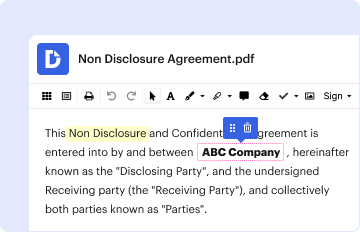
01. Edit your form online
Type text, add images, blackout confidential details, add comments, highlights and more.

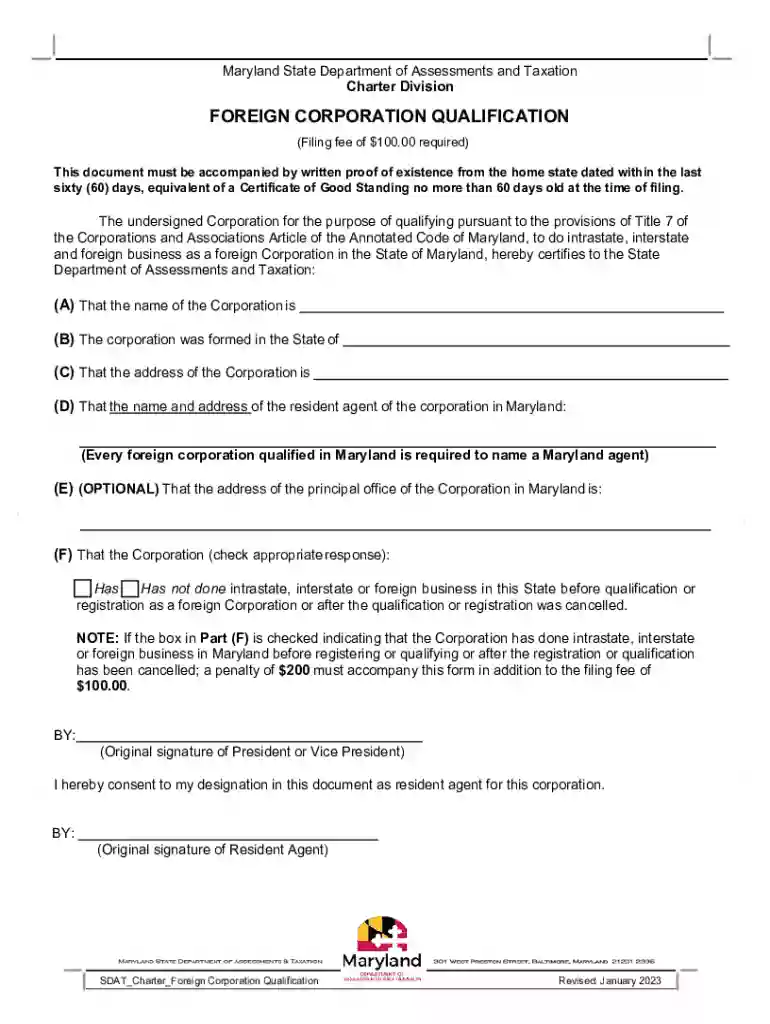
Type text, add images, blackout confidential details, add comments, highlights and more.
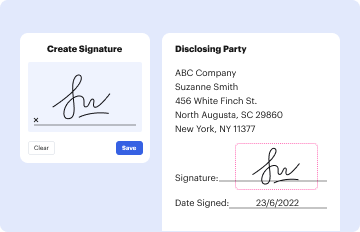
Draw your signature, type it, upload its image, or use your mobile device as a signature pad.

Send it via email, link, or fax. You can also download it, export it or print it out.
Forms, fees, and information packages are a suite of structured documents that provide comprehensive information necessary for various administrative processes. These packages typically include procedural forms, fee schedules, and detailed guidelines or instructions. They are designed to streamline the interaction between individuals or businesses and governmental or regulatory bodies by collecting standard information in a structured format. The objective is not only to facilitate the submission of necessary data but also to ensure compliance with relevant regulations.
To obtain forms, fees, and information packages, individuals or organizations can typically access them through various channels depending on the issuing authority. Entities such as the IRS, state departments, or business registration offices often maintain online portals where these documents can be downloaded or filled out digitally.
Completing these packages involves adhering to specific guidelines to ensure accuracy and compliance. Proper completion is crucial, as errors can delay processing or lead to rejections.
These packages serve a diverse audience, ranging from individual taxpayers to large corporations. Understanding who uses these packages can help in tailoring the completion process for specific needs.


These packages are legally binding documents that must be used in accordance with statutory regulations. Non-compliance can have serious consequences, including fines or delayed processing.
Understanding the main components of these packages is crucial for efficient navigation and completion.
Different states may have variations in their requirements and processes for these packages, often influencing how they should be completed and submitted.
The completion of these packages requires certain supporting documents which need to be collected and submitted as part of the process.
Delving deeply into understanding and strategically executing the above processes ensures that all forms, fees, and information packages are handled efficiently, optimally enhancing compliance and minimizing processing setbacks.
We've got more versions of the Forms, fees and information packages form. Select the right Forms, fees and information packages version from the list and start editing it straight away!
At DocHub, your data security is our priority. We follow HIPAA, SOC2, GDPR, and other standards, so you can work on your documents with confidence.
Contract request twenty thousand ($20,000.00) and above must be submitted at least thirty-five (35) business days prior to the planned date of service.Read more
Corporation Formation Fee Calculator: To calculate the formation filing fee for a corporation with stock, please use the Corporation Formation Fee Calculator.Read more
Such a request shall be made on forms provided by the bureau and must include the following information: (a) an inventory of all controlled substances to beRead more


