




01. Edit your mass payinfo online
Type text, add images, blackout confidential details, add comments, highlights and more.

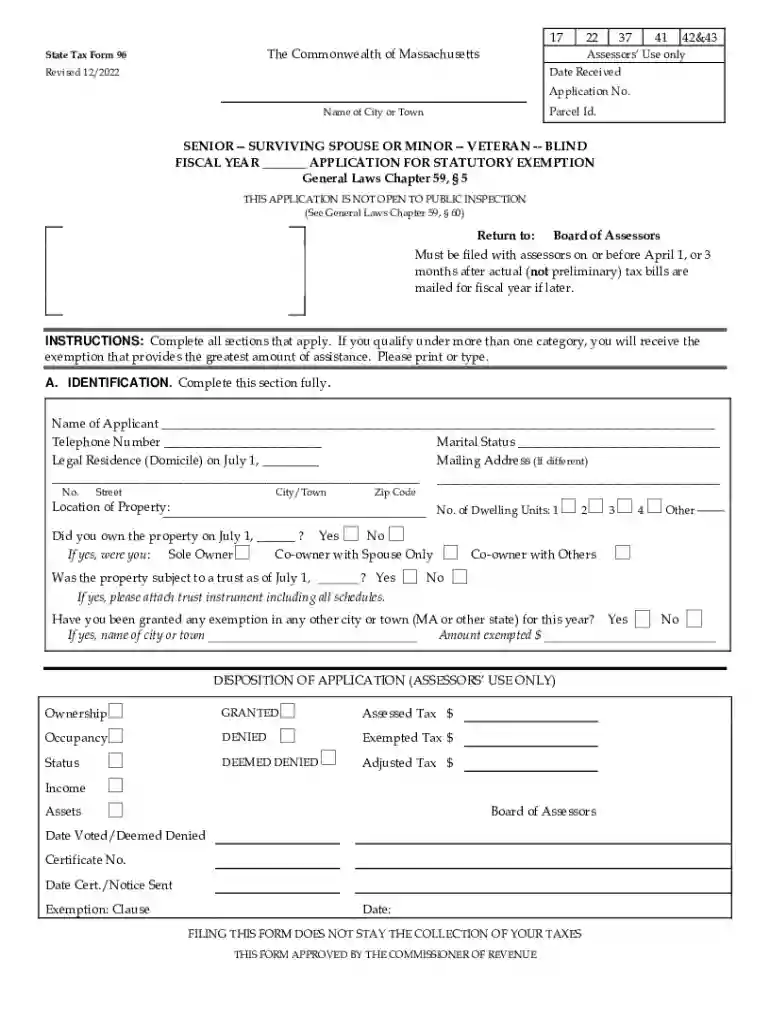
Type text, add images, blackout confidential details, add comments, highlights and more.

Draw your signature, type it, upload its image, or use your mobile device as a signature pad.

Send payinfo ma via email, link, or fax. You can also download it, export it or print it out.
The Commonwealth of Massachusetts - Office of the Comptroller (MA COM) involves financial oversight of state funds, ensuring proper allocation and compliance with state laws. Its forms enable various stakeholders, such as government agencies and businesses, to report and manage financial transactions with Massachusetts effectively.
Utilizing the MA COM forms effectively involves understanding the specific data each form requires and the context in which it will be used. Users must accurately fill in the required fields to facilitate correct processing.
The forms can be obtained through several means, each method offering convenience based on the preference of the user and the urgency of need.
Successfully completing the form involves a meticulous process that ensures no essential detail is overlooked.
Specific documents are necessary to complement information entered into the MA COM forms.
Legal use pertains to the sanctioned purpose of the forms and the legal requirements accompanying their submission.
Adhering to submission deadlines is crucial for compliance and the timely processing of your transactions or requests.
Failing to comply with the guidelines and deadlines of the MA COM forms can result in significant penalties.
A range of entities can be users of these forms given their varying financial transactions related to the Commonwealth.


We've got more versions of the mass payinfo form. Select the right mass payinfo version from the list and start editing it straight away!
At DocHub, your data security is our priority. We follow HIPAA, SOC2, GDPR, and other standards, so you can work on your documents with confidence.
The Office of the Comptroller oversees the financial systems and processes of the Commonwealth, including vendor payments, spending on government programs, andRead more
Mar 28, 2017 Scope and Content: The Comptrollers Bureau, established in 1922 within the Commission on Administration and Finance, was replaced in 1963Read more


