







Definition & Meaning
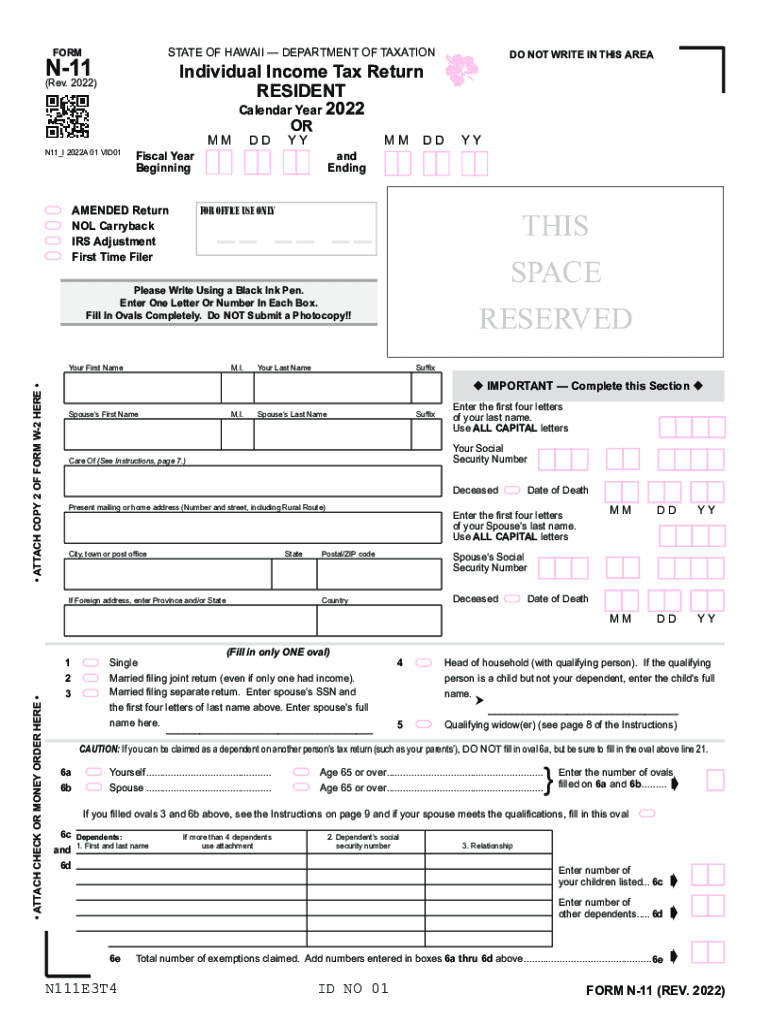
The "HawaiiInternal Revenue Service" refers to a tax-related form or service managed by the state of Hawaii's taxation department. While the name might initially suggest a connection with the federal Internal Revenue Service (IRS), it typically pertains to Hawaii's unique tax requirements, procedures, and forms such as the Department of Taxation's documents which are vital for residents or businesses operating within the state. This encompasses reporting income, calculating applicable taxes, and claiming deductions specific to Hawaii's tax code.
Steps to Complete the HawaiiInternal Revenue Service
- Preparation: Gather all necessary documentation related to income, deductions, and exemptions. This includes W-2s, 1099s, and any relevant financial statements.
- Download the Form: Access the required form from the Hawaii Department of Taxation's website. Ensure you're using the most recent version applicable to the current tax year.
- Personal Information: Enter your full name, Social Security number, and address to verify your identity.
- Income Calculation: Fill in all income sources. Pay attention to distinctions between federal and state adjusted gross income if applicable.
- Deductions and Credits: Carefully list all applicable deductions and credits. Hawaii may offer specific credits unavailable at the federal level.
- Final Calculations: Use the form instructions to calculate your final tax liability or refund. Double-check each step for accuracy.
- Submission: After completing, review your work thoroughly before submitting either electronically or via mail.
Required Documents
- W-2 Forms: Issued by employers, these documents report wage and salary information.
- 1099 Forms: For independent contractors or those with miscellaneous income.
- Retention of Supporting Documentation: Include receipts or paperwork supporting your deductions and credits.
- Federal Tax Return: Often necessary to compare or report federal AGI.
Form Submission Methods (Online / Mail / In-Person)
- Online Submission: The Hawaii Department of Taxation encourages electronic filing via its online portal, which is fast and secure.
- Mail Submission: If you prefer a paper trail, you can send the completed form via postal service. Ensure to mail it to the correct address provided on the form.
- In-Person Submission: Forms can be submitted at designated state tax offices for individuals who prefer direct contact.
Penalties for Non-Compliance
Failure to file or pay taxes in Hawaii in a timely manner can result in several penalties:
- Late Filing Penalty: A percentage of the unpaid tax can be charged per month until filed.
- Late Payment Penalty: Accrued interest on any unpaid taxes from the due date.
- Audit Risk: Increased scrutiny from the state tax department might occur, potentially leading to further penalties and assessments.
IRS Guidelines
While Hawaii's tax forms are state-specific, it is important to follow IRS guidelines if items on your state tax return require federal compliance:
- Consistency: Ensure consistency between state and federal filings.
- Federal Reference: Important for forms that rely on federal calculations or deductions as starting points.
- Understanding Adjustments: Some federal deductions or tax credits may not apply at the state level.
Examples of Using the HawaiiInternal Revenue Service
- Resident Tax Return: For individuals living and earning primarily in Hawaii. The state allows adjustments for residents on specific state-level taxes.
- Non-Resident Filings: Individuals who earn part of their income in Hawaii but reside elsewhere must also file appropriately to reflect their Hawaii-sourced income.
- Business Filings: Companies operating in Hawaii must adhere to corporate tax obligations, ensuring correct deductions and credits are claimed.
Who Typically Uses the HawaiiInternal Revenue Service
- Residents of Hawaii: Individuals residing and earning income in Hawaii need to file state taxes using these forms.
- Non-Residents with Hawaii Income: Even if you do not live in Hawaii, income originating from the state necessitates the use of these forms.
- Hawaii-Based Businesses: Companies registered or earning revenue in Hawaii use these forms for their tax declarations.


Digital vs. Paper Version
- Digital Forms: Often more convenient and provide immediate submission. There are tools within electronic systems to help catch errors before filing.
- Paper Forms: Some individuals prefer the tactile process of completing forms by hand, but it may be less efficient.
Software Compatibility (TurboTax, QuickBooks, etc.)
- Tax Software Integration: Common programs like TurboTax and QuickBooks provide compatibility with Hawaii-specific tax forms, allowing for easier data transfer and filing.
- Updates and Support: Ensure software is updated to the latest tax year standards, reflecting any changes in state tax laws or forms.
By organizing clearly, exploring every angle, and emphasizing utility, this content equips you with a fundamental understanding of the HawaiiInternal Revenue Service's relevant aspects.




