



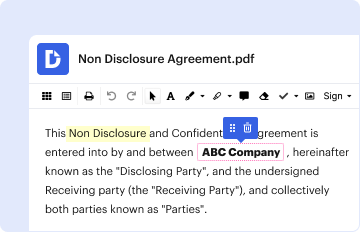
01. Edit your form online
Type text, add images, blackout confidential details, add comments, highlights and more.

Type text, add images, blackout confidential details, add comments, highlights and more.
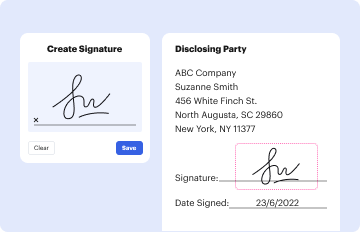
Draw your signature, type it, upload its image, or use your mobile device as a signature pad.

Send it via email, link, or fax. You can also download it, export it or print it out.
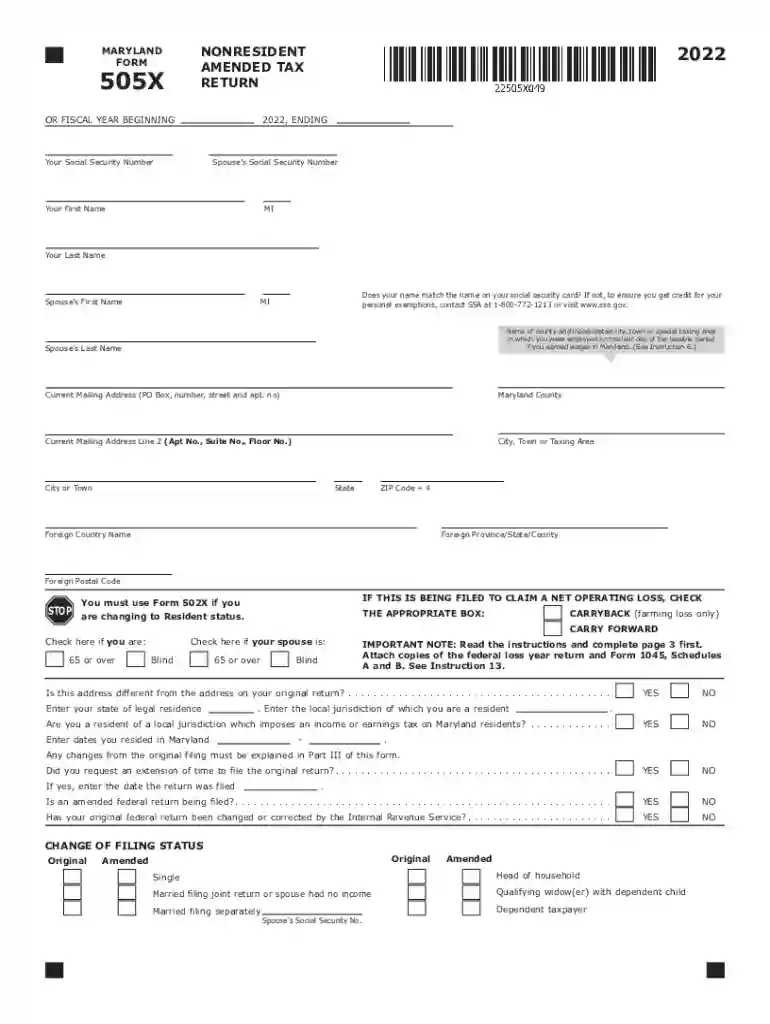
Form 505X49 011023 A, often abbreviated to 505X49, refers to a specific type of document pertinent to nonresident amended tax returns in the United States. Primarily used for Maryland's state tax system, it serves as a means for taxpayers to correct or update their previously filed income tax returns. This form includes several sections to accurately capture changes to income, deductions, credits, and other essential details required by the state's tax authorities.
To effectively utilize the form, taxpayers should follow these steps:
Commonly, individuals who discover discrepancies or omissions in their previously filed tax returns use this form to ensure compliance and accuracy in their tax obligations.
Effectively navigating the completion of the form involves detailed attention to each of its components:
Each step should include a meticulous review process to prevent errors that could lead to delays or complications.
Maryland has unique requirements for the completion and filing of this form:
The form is essential for:
Legally, the form must be used to report accurate changes to previously submitted state tax returns. Incorrect or fraudulent use can lead to penalties, including fines or legal action. It is vital that any amendments are honest and verifiable.
Consider these scenarios:
These real-world situations highlight how and why taxpayers might need to file amended returns using Form 505X49.
The standard deadline is three years from the original tax return filing date. If paying additional tax, ensure timely payment to avoid interest or penalties. It is crucial for taxpayers to observe these deadlines to maintain compliance and avoid unnecessary penalties.
Failing to file an amended return when required or submitting incorrect information can lead to penalties, including:
Taxpayers must ensure submissions are punctual and accurate to mitigate these risks.
We've got more versions of the 505X49 011023 A. 505X49 011023 A form. Select the right 505X49 011023 A. 505X49 011023 A version from the list and start editing it straight away!
| Versions | Form popularity | Fillable & printable |
|---|---|---|
| 2024 | 4.3 Satisfied (47 Votes) | |
| 2023 | 4.5 Satisfied (27 Votes) | |
| 2022 | 4.9 Satisfied (27 Votes) | |
| 2021 | 4.8 Satisfied (75 Votes) | |
| 2020 | 4.3 Satisfied (163 Votes) | |
| 2019 | 4.3 Satisfied (92 Votes) | |
| 2018 | 4.4 Satisfied (140 Votes) | |
| 2017 | 4.3 Satisfied (171 Votes) | |
| 2016 | 4.3 Satisfied (139 Votes) | |
| 2015 | 4.3 Satisfied (42 Votes) | |
| 2014 | 4.3 Satisfied (32 Votes) | |
| 2013 | 4 Satisfied (59 Votes) | |
| 2012 | 4 Satisfied (53 Votes) |
Electronic signatures are an excellent replacement for traditional signing, as they save time, effort, and costs people spend on printing, scanning, and paper delivery. You can eSign your 505X49 011023 A. 505X49 011023 A utilizing a trustworthy and powerful online document processing services like DocHub. It complies with main eSignature policies (ESIGN and UETA), so all documents approved there are legally binding and have the same validity as manually signed ones.
You need only an internet connection and a web browser to fill out your 505X49 011023 A. 505X49 011023 A on an iOS phone. Open the DocHub website and authenticate. Then, add your file or select it from the list in your dashboard. Then use our editing instruments to fill out your form and save all your changes. You may also send it to a dedicated recipient immediately.
At DocHub, your data security is our priority. We follow HIPAA, SOC2, GDPR, and other standards, so you can work on your documents with confidence.


