



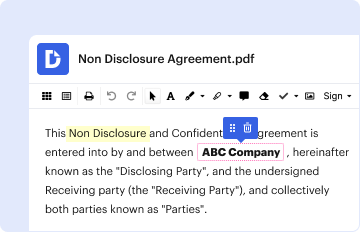
01. Edit your form online
Type text, add images, blackout confidential details, add comments, highlights and more.

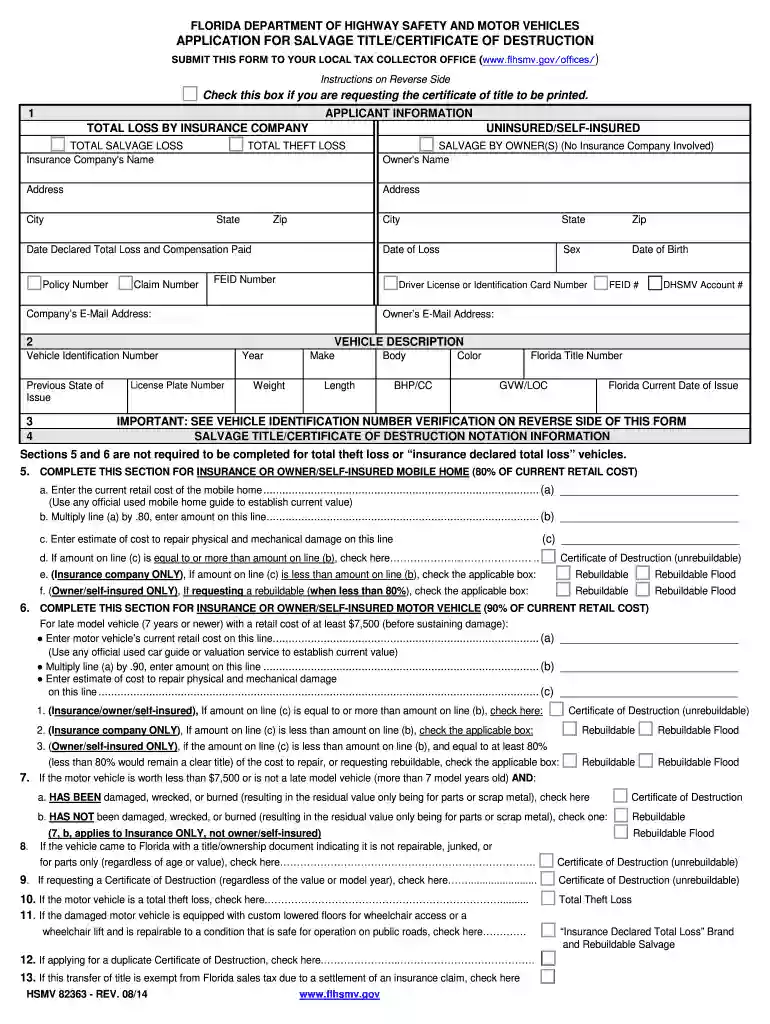
Type text, add images, blackout confidential details, add comments, highlights and more.
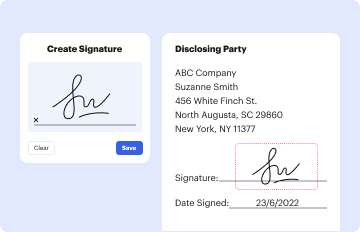
Draw your signature, type it, upload its image, or use your mobile device as a signature pad.

Send it via email, link, or fax. You can also download it, export it or print it out.
A salvage title certificate is a document issued by state motor vehicle departments in the United States for vehicles that have been deemed a total loss by insurance providers. This certificate signifies that the vehicle has sustained significant damage and has been "salvaged" for parts or repair. It serves as a crucial record that informs potential buyers, insurers, and state authorities about the history of the vehicle. Understanding its meaning helps stakeholders make informed decisions regarding the purchase, repair, or sale of such vehicles.
Using a salvage title certificate involves several key steps that ensure compliance with state regulations and make the process streamlined for vehicle owners or buyers. The certificate is primarily used for the re-registration of the vehicle after it has been repaired. To use it effectively, individuals must ensure that the vehicle meets road safety standards, as required by the state. Additionally, during resale, presenting the salvage title is crucial, as it transparently communicates the vehicle's history to the buyer, impacting its market value.
Obtaining a salvage title certificate requires fulfilling specific procedural steps outlined by state vehicle departments. Typically, the process begins after an insurance company declares a vehicle a total loss. Owners must submit an application form, pay requisite fees, and provide necessary documents such as proof of ownership and a damage assessment report. Some states may require a vehicle inspection to verify the extent of damage. Once the application is complete, the motor vehicle department issues the salvage title certificate, officially listing the vehicle as salvaged.
Completing the salvage title certificate involves a sequence of well-defined actions. First, gather essential documents, including the original title, insurance information declaring the vehicle a total loss, and repair estimates. Then, fill out the required salvage title application form, ensuring all sections related to personal and vehicle details are accurate. Submit the form alongside applicable fees to the designated state office. If an inspection is mandated, schedule an appointment and ensure the vehicle is available for assessment. The final step involves waiting for the issuance of the certificate, which could take a few weeks depending on state processing times.
Salvage title certificates are primarily used by individuals and businesses involved in the automobile resale, repair, or dismantling industries. Car dealers specializing in repairable vehicles often use these certificates to purchase, fix, and resell vehicles. Auto repair shops find such titles valuable as they provide parts for servicing other vehicles. Insurance companies also use these certificates to document and manage total loss claims. Lastly, vehicle buyers interested in acquiring used cars at lower prices often encounter and utilize salvage title certificates during transactions.


Legal use of a salvage title certificate is governed by specific state laws and regulations to ensure vehicle safety and consumer protection. It is compulsory for sellers to disclose a vehicle's salvage status legally in sales transactions. Moreover, before a salvage-titled vehicle can be legally driven again, many states require inspections to certify that repairs meet safety standards, converting the salvage title to a rebuilt or reconstructed title. Misrepresenting a salvage vehicle or withholding its status could lead to legal penalties, emphasizing the importance of transparent and lawful use.
The salvage title certificate contains critical information that provides insight into the vehicle's history and current status. Key elements include the vehicle identification number (VIN), make, model, year, and a description of the vehicle’s damage or reasons for being classified as a total loss. It also includes the names of both the current and previous owners, along with any lienholder details. Another significant element is the issuance date, which helps in tracking the timeline of the salvage status. Understanding these elements is essential for anyone handling or reviewing a salvage title.
State-specific rules regarding salvage title certificates can vary significantly, affecting how they are issued, transferred, and converted. For example, some states might have stricter inspection requirements before a vehicle can be granted a rebuilt status, while others might have different thresholds for declaring a vehicle a total loss. Fee structures, processing times, and documentation requirements can also differ. It is important for vehicle owners, sellers, and buyers to familiarize themselves with their specific state regulations through official state motor vehicle department resources or legal advice.
Practical scenarios involving a salvage title certificate include buying a significantly damaged vehicle at a reduced price to repair and resell it. Another example is applying for a rebuilt title after extensive repairs to restore a salvage vehicle to roadworthy condition. A salvage title might also be relevant when sourcing parts from a totaled vehicle. These examples illustrate the different contexts in which salvage title certificates play a role, influencing vehicle ownership, sales, repair, and dismantling activities.
We've got more versions of the salvage title certificate form. Select the right salvage title certificate version from the list and start editing it straight away!
At DocHub, your data security is our priority. We follow HIPAA, SOC2, GDPR, and other standards, so you can work on your documents with confidence.
A person who wishes to obtain a salvage title or nonrepairable vehicle certificate from the Department must submit: (a) A completed application.Read more
Application for Salvage Certificate of Title. Statement of how vehicle was acquired and the type of loss suffered (fire, collision, etc.). Fee $60.00 ($85.00
Jul 25, 2023 Ownership type is: Salvage Title, Salvage Certificate, Certificate of Destruction etc. What is a clean car? A clean title vehicle is aRead more


