







Definition and Meaning
Reasonable accommodations, as per HUD.gov / U.S. Department regulations, are adjustments or modifications provided by housing providers to individuals with disabilities to ensure they have equal access and enjoyment of a dwelling. This concept under the Fair Housing Act mandates that entities must allow for reasonable modifications to their policies, practices, or services when necessary to accommodate people with disabilities. It is essential that these accommodations do not impose undue financial or administrative burdens on the housing provider or cause fundamental alterations to the program.
Key Elements of the Reasonable Accommodations Form
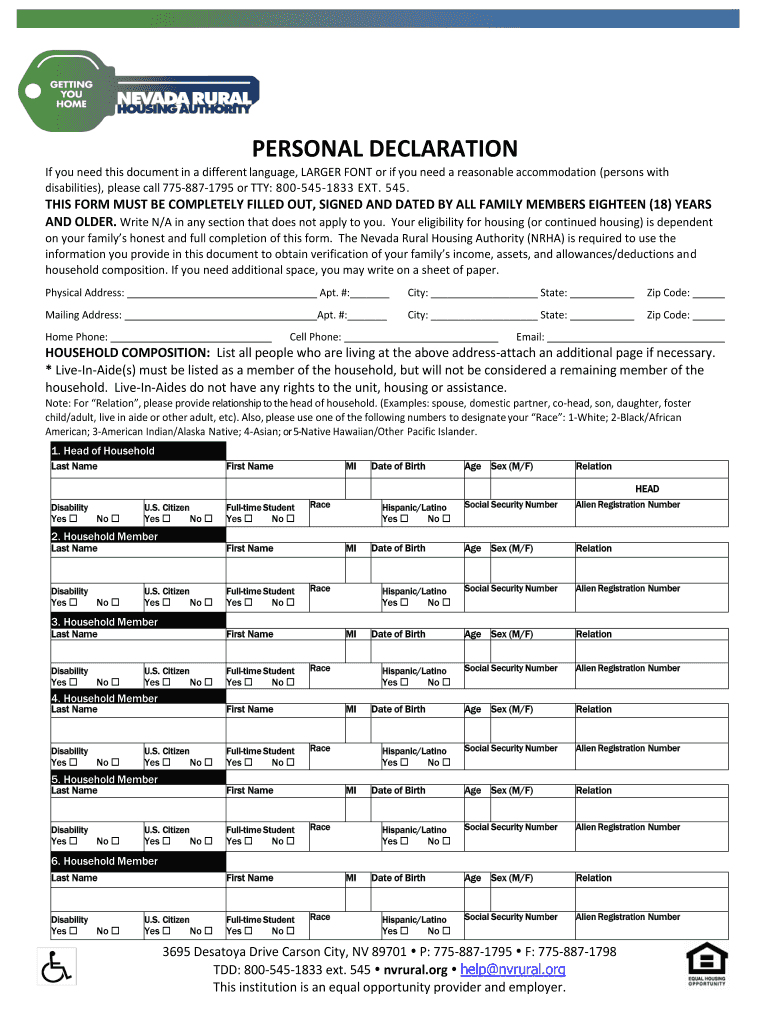
The Reasonable Accommodations form through HUD includes several critical components to ensure comprehensive requests and evaluations. Key elements of the form involve:
- Requester Information: Detailed sections capture the personal information of the individual requesting the accommodation, ensuring the correct handling of personal data.
- Description of the Accommodation: An in-depth description of the requested accommodation ensures clarity and precision in what is needed.
- Reason for the Request: This section requires an explanation linking the disability to the requested accommodation, providing essential context for evaluators.
- Verification of Need: Frequently, forms require verification from a medical professional to substantiate the necessity and appropriateness of the requested accommodation.
Who Typically Uses the Reasonable Accommodations Form
This form is commonly used by individuals with disabilities who require specific modifications to their housing situations to ensure equitable access. These users include:
- Tenants: Individuals already residing in housing who require changes to their living conditions, such as the addition of grab bars or permission to have a service animal.
- Prospective Tenants: Persons applying for accommodation who need initial placement adjustments.
- Family Members or Advocates: Often, requests may be submitted by family members or advocates acting on behalf of the individual with disabilities.


How to Use the Reasonable Accommodations Form
To effectively use the Reasonable Accommodations form, follow these guidelines:
- Complete the Form: Carefully fill out all required sections with accurate and detailed information.
- Attach Necessary Documentation: Provide any supporting documents or verification from healthcare providers that substantiate the accommodation request.
- Submit the Request: Follow submission protocols, whether through online, mail, or in-person methods, ensuring all components are included.
- Follow-up: Engage with the housing provider or relevant authorities to confirm receipt and address any further queries.
Examples of Using the Reasonable Accommodations Form
Practical scenarios highlight the utility of the form:
- A tenant with mobility issues may use the form to request a reserved parking space closer to the property entrance.
- A prospective tenant with a visual impairment might request permission for a guide dog in a pet-restricted property.
Legal Use of the Reasonable Accommodations Form
Under federal law, housing providers must consider reasonable accommodation requests without discrimination:
- Compliance with the Fair Housing Act: Housing providers must ensure they're not denying accommodations that qualify under legal requirements.
- Ensuring Non-Discrimination: It is unlawful for a housing provider to refuse a reasonable request by a person with a disability if it does not create an undue burden.
Steps to Complete the Reasonable Accommodations Form
- Gather Necessary Information: Before filling out, collect all relevant personal, legal, and medical information.
- Provide Accurate Descriptions: Fill out the form with precise details to ensure clear understanding by housing providers.
- Seek Verification: Obtain necessary signatures or notes from appropriate medical professionals to support the request.
- Submit with Supporting Documents: Make sure to include all verification documents and double-check for completeness.
Compliance and Non-Compliance Penalties
While housing providers must comply with accommodation requests, they may face penalties for non-compliance:
- Administrative Penalties: Entities failing to adhere can incur fines or sanctions.
- Legal Repercussions: Continued non-compliance can lead to legal actions and increased scrutiny from regulatory bodies.
State-Specific Rules
While the Fair Housing Act provides a federal baseline, several states have additional protections or protocols. It's crucial to consult local regulations or authorities to understand any state-specific nuances that might affect reasonable accommodation processes.




