Definition & Meaning
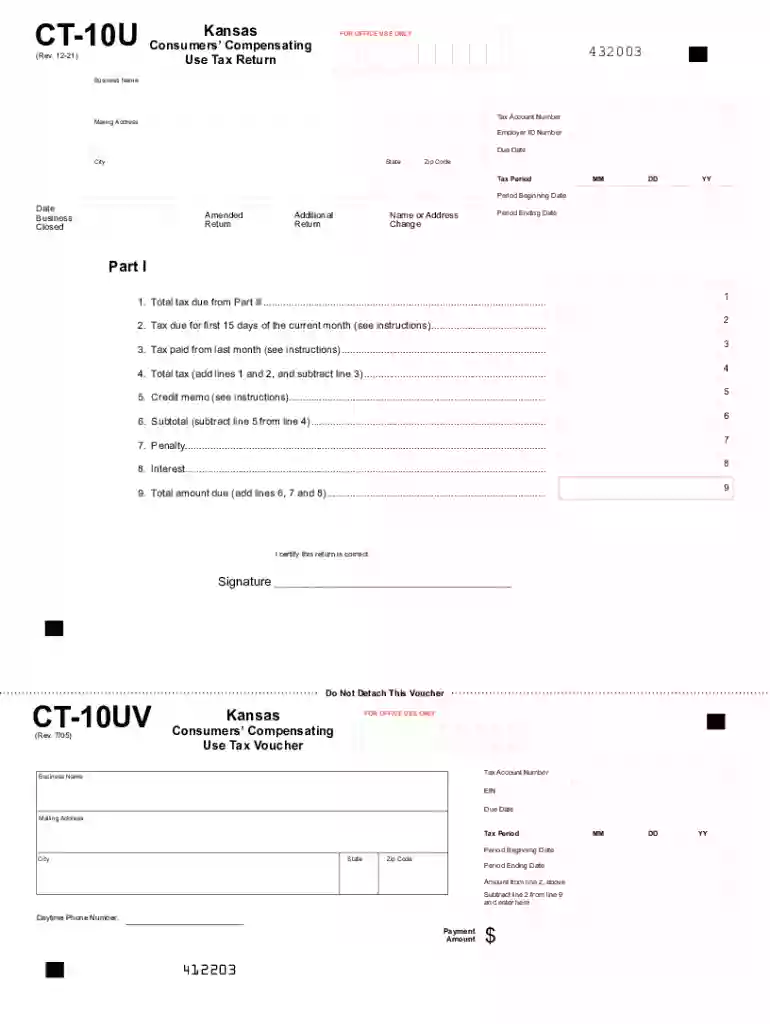
The Consumers' Compensating Use Tax, often referred to by its form code CT-10U in Kansas, is a tax imposed on goods purchased from out-of-state vendors that did not charge sales tax at the time of sale. This tax ensures that consumers contribute their share of tax revenue even when purchasing goods from sellers outside their state. The tax applies to both individuals and businesses, aiming to create a fair competitive environment for local and interstate sellers.
Steps to Complete the Consumers Compensating Use Tax - Fill Out and Sign
- Gather Necessary Information: Begin by collecting details of all out-of-state purchases made that did not include sales tax. This may involve reviewing receipts and invoices.
- Calculate Taxable Amount: Determine the total amount spent on taxable goods. Remember, non-taxable items should not be included.
- Determine Tax Rate: Find the applicable state use tax rate for your location in Kansas. This typically aligns with the sales tax rate.
- Compute Tax Liability: Multiply the taxable amount by the tax rate to compute the tax liability.
- Fill Out Form CT-10U: Use the gathered information to complete the CT-10U form, ensuring all sections are accurately filled.
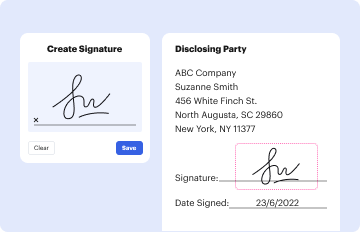
- Sign: Electronically or manually sign the form to certify the accuracy of the provided information.
Who Typically Uses the Consumers Compensating Use Tax - Fill Out and Sign
This tax form is primarily used by:
- Individuals who purchase items from out-of-state suppliers or online retailers that do not collect Kansas sales tax.
- Businesses operating within Kansas—which may include LLCs, corporations, or partnerships—that acquire goods from vendors outside of the state without being taxed at the point of sale.
- Residents of Kansas who travel out of state for purchases intended for use in Kansas.
Key Elements of the Consumers Compensating Use Tax - Fill Out and Sign
- Taxpayer Information: The form requires personal details or business registration numbers for proper identification.
- Purchase Details: A comprehensive list of goods purchased from out-of-state vendors must be included.
- Tax Calculation Section: Provides space to compute the tax owed based on reported purchases.
- Signature Section: An essential field for certifying the information, which can be completed electronically through DocHub for convenience.
Penalties for Non-Compliance
Failure to file the Consumers' Compensating Use Tax can result in:
- Late Payment Penalties: Interest charges accrue on unpaid taxes from the deadline date until fully paid.
- Fines: Additional monetary penalties can be imposed for continuous non-compliance.
- Legal Action: Persistent failure to report and pay taxes may result in legal consequences, which can include formal audits and sanctions.
Software Compatibility and Usage with DocHub
DocHub integrates seamlessly with platforms such as TurboTax and QuickBooks, facilitating quick import and export of tax-related documents:
- TurboTax: While completing tax returns, import your CT-10U form to ensure accurate declarations and computations.
- QuickBooks: Export purchase and expense records from QuickBooks to help fill out the use tax form efficiently.
- DocHub’s Tools: Use annotation, editing, and signing tools to manage tax documents directly within your web browser, enhancing efficiency and security.
State-Specific Rules for the Consumers Compensating Use Tax - Fill Out and Sign
The state of Kansas has unique stipulations for the CT-10U form:
- Exclusions: Some purchases, such as those pertaining to exempt goods or services, may not require use tax.
- Local Tax Variations: Some municipalities may have additional local use taxes, which need consideration in overall computations.
- Filing Requirements: Depending on the filing frequency as specified by the Kansas Department of Revenue, individuals and businesses might need to file monthly, quarterly, or annually.
Filing Deadlines / Important Dates
- Annual Filings: Typically due by April 15 for individuals; businesses with different fiscal years should refer to specific deadlines as per their registration details.
- Quarterly Filings: Due on the last day of the month following the end of the quarter.
- Late Filings: Result in penalties and additional interest on outstanding taxes, so timely submission is crucial.