



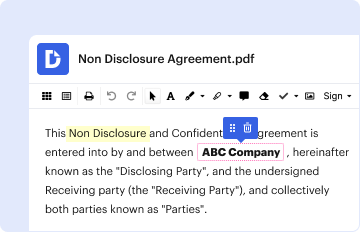
01. Edit your form 5498 sa 2021 online
Type text, add images, blackout confidential details, add comments, highlights and more.

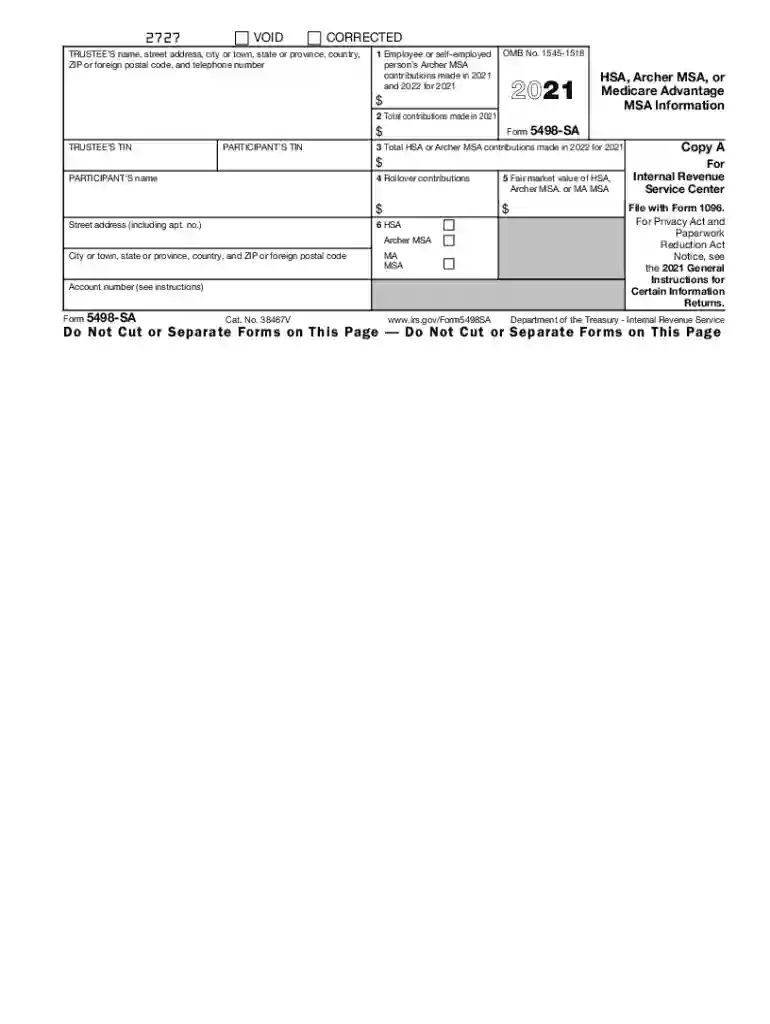
Type text, add images, blackout confidential details, add comments, highlights and more.
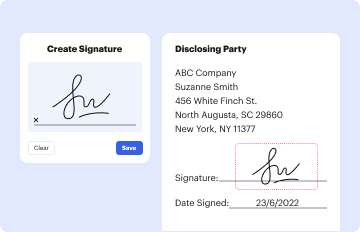
Draw your signature, type it, upload its image, or use your mobile device as a signature pad.

Send 5498 sa via email, link, or fax. You can also download it, export it or print it out.
Form 5498-SA is a tax document used in the United States to report contributions to Health Savings Accounts (HSA), Archer Medical Savings Accounts (MSA), and Medicare Advantage MSAs. This form is primarily issued by financial institutions that manage these accounts and is provided to both the Internal Revenue Service (IRS) and the account holder. Its main purpose is to track contributions for a given tax year, including rollovers and the fair market value of the account.
The form includes several key pieces of information:
Understanding this form is crucial for taxpayers as it contains critical data needed for accurate tax filing and potential tax deductions related to medical savings accounts.
Obtaining Form 5498-SA is typically straightforward as it is issued to account holders directly by the trustee or custodian of their HSA, Archer MSA, or Medicare Advantage MSA. Here's how you can obtain it:
Should you not receive the form by early June, contacting the financial institution that holds your account is advised to request a copy.
Completing Form 5498-SA involves understanding how the reported contributions and other data affect your tax filings. Here are steps to consider:
If you identify discrepancies, reach out to your financial institution for resolution before finalizing your tax submission.
Form 5498-SA is utilized by various types of taxpayers, primarily including:
Designed for anyone with a qualifying medical savings account, Form 5498-SA ensures accurate reporting of contributions made throughout the year.
Understanding certain key terms is essential for comprehending Form 5498-SA:
Grasping these terms helps in effectively utilizing Form 5498-SA for tax and financial planning purposes.
Form 5498-SA is governed by IRS rules, which dictate its issuance, use, and incorporation into tax filings. Key IRS guidelines include:
Engaging with these IRS guidelines ensures proper handling and reporting involving Form 5498-SA.
Critical dates related to Form 5498-SA include:
Understanding these deadlines ensures compliance and prevents potential penalties or issues with tax filings.
Failing to properly account for or report information from Form 5498-SA can lead to:
Ensuring complete and accurate use of Form 5498-SA data mitigates these risks and maintains tax compliance.
We've got more versions of the form 5498 sa 2021 form. Select the right form 5498 sa 2021 version from the list and start editing it straight away!
| Versions | Form popularity | Fillable & printable |
|---|---|---|
| 2025 | 4.3 Satisfied (45 Votes) | |
| 2024 | 4.7 Satisfied (28 Votes) | |
| 2023 | 4.5 Satisfied (21 Votes) | |
| 2022 | 4.3 Satisfied (30 Votes) | |
| 2021 | 4.8 Satisfied (222 Votes) | |
| 2020 | 4.4 Satisfied (62 Votes) | |
| 2019 | 4.1 Satisfied (57 Votes) | |
| 2018 | 4.2 Satisfied (65 Votes) | |
| 2017 | 4.2 Satisfied (40 Votes) | |
| 2016 | 4.3 Satisfied (244 Votes) |
At DocHub, your data security is our priority. We follow HIPAA, SOC2, GDPR, and other standards, so you can work on your documents with confidence.
Apr 30, 2024 The 5498-SA is the IRS form that reports all contributions to your HSA for the prior year (2023), including those contributed between Jan. 1 andRead more
Sep 18, 2025 This information is submitted to the IRS by the trustee of your health savings account. (HSA), Archer medical savings account (MSA),Read more


