




Here's how it works
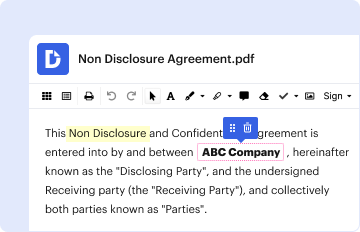
01. Edit your schedule cc online
Type text, add images, blackout confidential details, add comments, highlights and more.
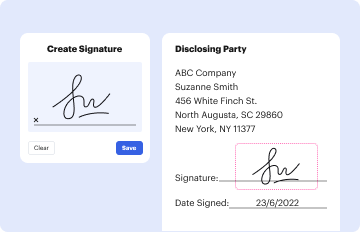
02. Sign it in a few clicks
Draw your signature, type it, upload its image, or use your mobile device as a signature pad.

03. Share your form with others
Send schedule cc 2022 via email, link, or fax. You can also download it, export it or print it out.
How to use or fill out Wisconsin Revenue CC with our platform

- Click ‘Get Form’ to open the Wisconsin Revenue CC in the editor.
- Begin by filling in the decedent's last name, first name, and middle initial in the designated fields. Ensure accuracy as this information is crucial for identification.
- Enter the decedent’s social security number and federal EIN for trusts. This information is vital for processing your request.
- Indicate whether a certificate is required by the court. If 'No', do not submit the form. If 'Yes', provide necessary documentation.
- Complete sections regarding the decedent's will, probate type, and any IRS contact within the last three years. Be thorough to avoid delays.
- Fill out asset details in Part I and II, ensuring no lines are left blank unless applicable. Use black ink as specified.
- Sign and date the form at the bottom of page two before submitting it to ensure your request is valid.
Start using our platform today to streamline your document editing and form completion process for free!
Fill out wisconsin revenue cc online
It's free
It's free
See more wisconsin revenue cc versions
We've got more versions of the wisconsin revenue cc form. Select the right wisconsin revenue cc version from the list and start editing it straight away!
| Versions | Form popularity | Fillable & printable |
|---|---|---|
| 2025 | 4.4 Satisfied (46 Votes) | |
| 2024 | 4.4 Satisfied (22 Votes) | |
| 2023 | 4.3 Satisfied (47 Votes) | |
| 2022 | 4.7 Satisfied (38 Votes) | |
| 2021 | 4.8 Satisfied (40 Votes) | |
| 2020 | 4.4 Satisfied (242 Votes) | |
| 2019 | 4.4 Satisfied (62 Votes) | |
| 2018 | 4.4 Satisfied (164 Votes) | |
| 2016 | 4.4 Satisfied (89 Votes) | |
| 2015 | 4.3 Satisfied (164 Votes) | |
| 2014 | 4 Satisfied (23 Votes) | |
| 2013 | 3.7 Satisfied (30 Votes) | |
| 2012 | 4.1 Satisfied (43 Votes) |
Got questions?
We have answers to the most popular questions from our customers. If you can't find an answer to your question, please contact us.
Contact us
Why is the Wisconsin Department of Revenue sending me a letter?
We safeguard your information to help prevent someone from using your identity to file a false tax return to get a tax refund. If you received a letter from us asking you to take a quiz, enter a PIN, or send in documentation, it is because our analytics indicate the possibility of identity fraud.
Where does Wisconsin rank in taxes?
Wisconsin | #19 Overall CategoryRankRank Change Overall 19 -1 Corporate Taxes 30 1 Individual Income Taxes 35 -1 Sales Taxes 6 02 more rows
How to pay Wisconsin Department of Revenue?
Electronic payment options include direct debit, credit card, Apple Pay, PayPal and others. There is no fee for paying via direct debit from a checking or savings account. Convenience and processing fees may apply for other electronic payment options.
What is the Wisconsin earned income credit?
The Wisconsin earned income credit is a special tax benefit designed to provide financial support to working families with children. The earned income credit is refundable, which means that workers who did not owe any income taxes can receive money when they file their income tax returns.
What state has the highest tax revenue?
U.S. state government tax revenue FY 2024, by state In the fiscal year of 2024, the state of California collected a total of 265 billion U.S. dollars in tax revenue, the highest of any state.
Security and compliance
At DocHub, your data security is our priority. We follow HIPAA, SOC2, GDPR, and other standards, so you can work on your documents with confidence.
Learn more


People also ask
What is the tax revenue of Wisconsin?
The latest report found state and local tax revenues grew by 1.9 percent last year, from $36.2 billion in 2023 to $36.9 billion in 2024. But that didnt keep up with the rate of inflation and was also the smallest increase since 2017, according to the report.
How much does Wisconsin collect in taxes?
Wisconsin also relies heavily on income taxes. In 2020, the state collected about $8.51 billion in individual income tax revenues, a decrease of 2.8% that reflected the downturn from the pandemic as well as certain state policy decisions.