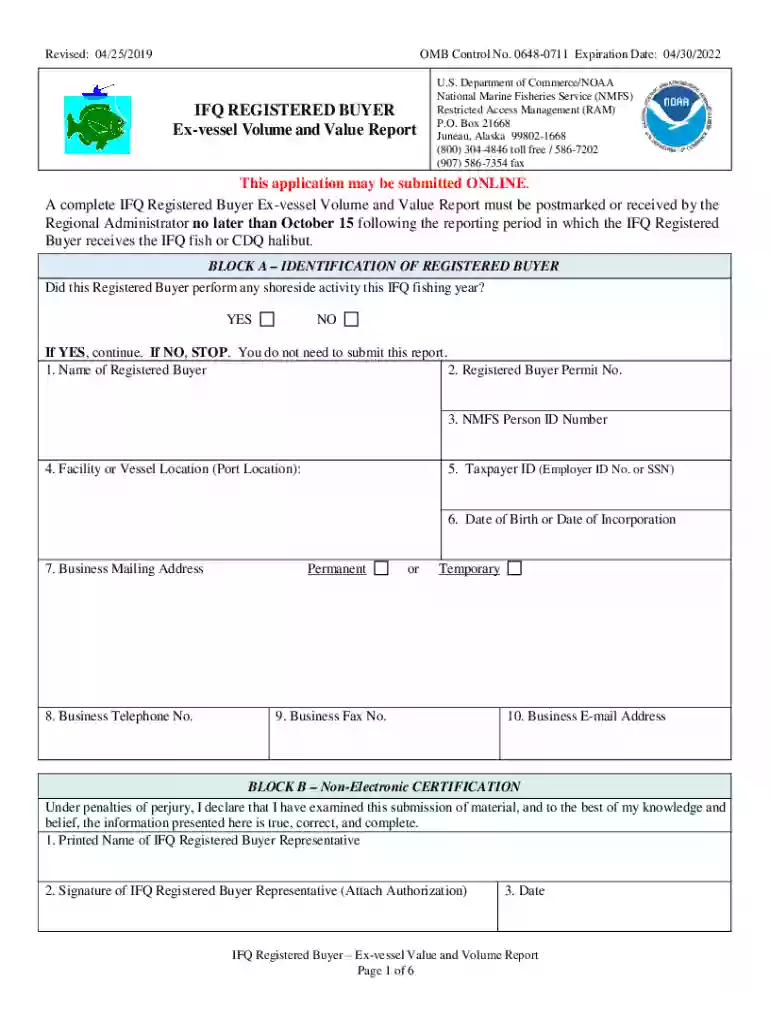
Definition and Meaning of Ex Vessel Value
Ex vessel value refers to the monetary worth of seafood at the point it is unloaded from a vessel. This value is typically determined when fish and shellfish are sold at the dock or pier, directly after being caught. The ex vessel value serves as a vital metric for assessing the economic impact of commercial fishing operations. It measures the initial economic transaction in the seafood supply chain, reflecting the income received by fishermen for their harvest.
Importance in the Fishing Industry
- Economic Indicator: Ex vessel value provides insights into the financial health of fisheries and the wider seafood industry by indicating how much fishermen are paid for their catch.
- Resource Management: By understanding the ex vessel value, regulators can ascertain trends in the fishing industry, helping to guide fisheries management and sustainability policies.
- Pricing Reference: The ex vessel value serves as an essential benchmark for pricing seafood across the broader market, impacting supply chains and retail prices.
How to Use the Ex Vessel Value
Incorporating ex vessel value into business practices involves several strategic usages to optimize decision-making and economic outcomes.
Practical Applications for Fishermen and Buyers
- Pricing Strategies: Fishermen use ex vessel values to negotiate prices with buyers, ensuring fair compensation for their harvests.
- Economic Planning: Seafood buyers and processors rely on ex vessel values to forecast purchasing costs, plan budgets, and set retail prices accordingly.
Enhancing Business Operations
- Market Analysis: Businesses in the seafood sector analyze historical ex vessel values to detect market trends and anticipate shifts in supply and demand.
- Strategic Decisions: Companies use the data to make informed decisions, such as expanding operations or investing in additional vessels or technology to improve efficiency and profitability.
Steps to Complete the Ex Vessel Value Report
Filing an accurate ex vessel value report is critical for compliance with federal fisheries regulations. Organizations like the National Oceanic and Atmospheric Administration (NOAA) set reporting standards for this process.
Step-by-Step Reporting Process
- Collect Data: Gather detailed information about the species, weight, and value of your catch at the point of sale.
- Document Earnings: Record the revenue received from seafood buyers; ensure accuracy by cross-referencing payment records.
- Complete Identification Details: Fill in all required fields, including the vessel's identification, the buyer's information, and the fishing ground details.
- Submit Reports Timely: Ensure submission by the annual deadline, typically October 15, to comply with IFQ Program requirements, reducing the risk of penalties.
- Verify Accuracy: Before submission, verify all entries for consistency and accuracy to prevent discrepancies or the need for amendments.
Compliance and Record-Keeping
- Federal Regulations Compliance: Adhering to the NOAA's guidelines ensures compliance with U.S. Department of Commerce regulations.
- Documentation Storage: Safely store a copy of submitted reports, as they may be required for future reference or audit purposes.
Legal Use of the Ex Vessel Value
The legal use of ex vessel value data is tightly regulated to ensure transparent and fair practices in the fishing industry.
Regulatory Framework
- Compliance with the ESIGN Act: When submitting reports electronically, ensure adherence to standards that make electronic filings as valid and binding as paper-based submissions.
- Confidentiality Requirements: Recognize and uphold the confidentiality of sensitive data handled during the reporting process, such as individual payment records and buyer information.
Implications for Stakeholders
- Fishermen: Ensure compliance with any contractual obligations or collective bargaining agreements regarding data disclosure.
- Regulatory Oversight: Submit accurate reports as part of broader resource management practices, contributing to national data on fisheries' economic performance.
Key Elements of the Ex Vessel Value Report
Understanding the critical components of an ex vessel value report is essential for accurate and compliant reporting.
Essential Components to Include
- Catch Details: List species and quantities caught, emphasizing accuracy and compliance with weight measurements.
- Sales Information: Document the sale price per species, detailing the buyer information and transaction dates.
- Certification Sections: Ensure the form is signed off by authorized personnel to confirm the authenticity of the data provided.
Importance of Each Element
- Consistency and Transparency: These elements ensure stakeholders can consistently compare data year-on-year and across different regions and fisheries.
- Economic and Resource Management: Accurate data informs policy makers and helps in the sustainable management of fishery resources.
State-Specific Rules for Ex Vessel Value Reporting
Certain states in the U.S. may have additional regulations or guidelines for reporting ex vessel values. Here's a brief overview:
Variance in Regulations
- Alaska: Known for its robust fishing industry, Alaska enforces strict reporting deadlines and documentation requirements to maintain sustainable fisheries.
- California: Emphasizes stringent measures to monitor endangered species and habitat protection in reporting ex vessel values.
Navigating State Requirements
- Check Local Legislation: Keep abreast of specific state amendments to reporting requirements to avoid compliance issues.
- Collaborate with Local Authorities: Maintain open communication lines with state fishery management bodies to ensure comprehensive adherence to state guidelines.
Examples of Using Ex Vessel Value in Business
One of the practical applications of ex vessel value is using it as a benchmark for strategic business decisions.
Case Studies of Ex Vessel Value in Action
- Strategic Market Positioning: A fishing company increased its market share by analyzing historical ex vessel values and adjusting its product offerings according to market demand fluctuations.
- Price Adjustments and Negotiation: A cooperative of small fishermen used aggregated ex vessel data to negotiate better prices with seafood processors, achieving improved financial outcomes.
Impact on Business Strategies
- Financial Decision-Making: Businesses that successfully integrate ex vessel data into their financial models often achieve better stability and growth.
- Risk Mitigation: Companies that monitor ex vessel trends can anticipate market downturns and adjust their operations effectively.
Submission, Penalties, and Deadlines
Understanding the submission protocols, penalties for non-compliance, and critical deadlines is pivotal for all stakeholders involved.
Submission Channels
- Digital and Paper Submission: Reports may be submitted electronically or in paper form, depending on the agency’s guidelines and technological capabilities.
- Timely Compliance: Submission deadlines are often set for October 15, underscoring the importance of adhering to these dates to avoid delinquencies.
Penalties and Enforcement
- Financial Penalties: Late submissions or inaccuracies may result in fines, emphasizing the need for punctual and precise reporting.
- Regulatory Actions: Persistent non-compliance could lead to more severe penalties, including restrictions on fishing licenses or operational capacities.