Definition and Meaning of "gv how do in"
The term "gv how do in" typically signifies a process or form used for a specific administrative or procedural purpose within certain domains. It may relate to a unique workflow or method tailored for a particular set of tasks, potentially serving as a guide or instructional document. Although the exact nature of "gv how do in" remains contextual, the term suggests a focus on systematic execution or completion of tasks, potentially linked to documentation, compliance, or procedural completion in various sectors.
Key Elements of "gv how do in"
Understanding the components of the "gv how do in" process or form involves identifying its integral parts. This includes:
- Instructions: Step-by-step guidelines detailing how to undertake specific tasks.
- Requirements: The necessary criteria and prerequisites to consider before commencing the process.
- Sections and Fields: Designated areas on a form that require information input to ensure completeness.
- Compliance: Mandatory elements ensuring adherence to legal or procedural standards.
- Documentation: Supporting files and records needed to demonstrate completion or compliance.
Steps to Complete the "gv how do in"
-
Acquire the Form or Instructions: Begin by obtaining the official document or guidelines relevant to "gv how do in." This could be online or from a specified administrative body.
-
Review Requirements: Prior to initiating the process, carefully review all prerequisites and required materials.
-
Fill Out Mandatory Sections: Enter all necessary information into each relevant section of the form.
-
Submit Supporting Documentation: Attach any required supplementary documents or proofs as instructed.
-
Form Submission: Choose your preferred method for submitting the completed form—whether online, by mail, or in person.
-
Confirmation and Follow-up: Ensure you receive confirmation of receipt and keep track of any follow-up steps.
How to Use the "gv how do in"
The usage of "gv how do in" involves following a structured framework to accomplish a specified task. It may apply to:
- Legal Processes: Guiding parties through compliance-related tasks.
- Administrative Purposes: Assisting with paperwork and approvals required for tasks across governmental or organizational settings.
- Instructional Needs: Offering clear directions for completing particular processes effectively.
Practical Examples
- Business Registrations: Using the form or guide to ensure all steps are followed meticulously in setting up a legal entity.
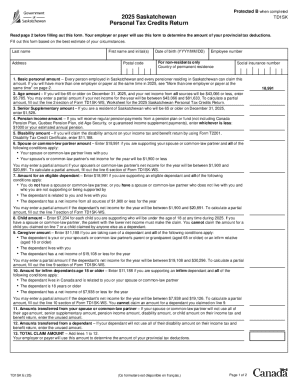
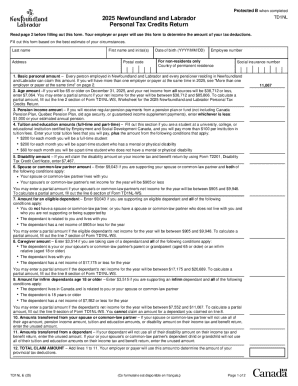
- Tax Filing: Applying the instructions to correctly compile required data for tax return submissions.
- Legal Compliance Checks: Adhering to the form's stipulations for meeting regulatory requirements.
Who Typically Uses the "gv how do in"
The "gv how do in" is typically used by individuals or entities engaged in activities that require adherence to structured processes, such as:
- Business Owners: Entrepreneurs navigating regulatory landscapes for start-ups and existing businesses.
- Legal Professionals: Lawyers and compliance officers ensuring clients meet requisite standards.
- Tax Practitioners: Accountants and tax consultants managing taxation documentation and submissions.

Legal Use of the "gv how do in"
The legal use of "gv how do in" encompasses:
- Compliance Assurance: Ensuring that legal obligations are met through structured completion of tasks.
- Documentation Verification: Providing proof of process adherence for legal validity.
- Regulatory Submissions: Facilitating the submission of necessary documents to satisfy statutory bodies or authorities.
State-Specific Rules for the "gv how do in"
Interpretation and application of the "gv how do in" may vary significantly across states due to differing laws and regulations. Key considerations include:
- Regulatory Differences: Understanding specific state requirements that may affect how the form or process is implemented.
- Jurisdictional Guidelines: Acquiring local guidelines to ensure compliance with regional expectations.
- Adaptability: Adjusting the approach based on the specific mandates of state authorities.
Examples of Using the "gv how do in"
- Filing a Business Entity: Completing a submission for registering a new business in accordance with regional economic development rules.
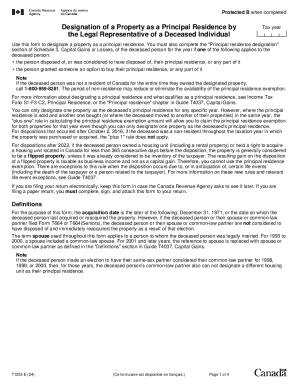
- Legal Proceedings: Utilizing the form as part of mandated court filing processes or legal documentation.
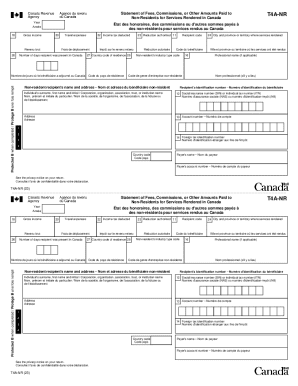
- Tax Return Processes: Following the step-by-step guidance to prepare and submit personal or corporate tax returns.
Required Documents for "gv how do in"
Completing the "gv how do in" may necessitate various documents including, but not limited to:
- Identification Records: Such as government-issued IDs or passports for verification purposes.
- Financial Reports: Accounting records or statements if applicable within the context.
- Supporting Affidavits or Statements: As needed to validate the information provided.
Practical Scenario Illustrations
- For Entrepreneurs: Submission should include business plans, proof of financial standing, and personal identification.
- For Legal Filings: Attach last year’s tax returns, legal firm financial documentation, and necessary signatures.
Penalties for Non-Compliance with "gv how do in"
Failing to properly complete the "gv how do in" or failing to meet its standards might result in penalties, which may include:
- Fines: Financial penalties levied for late or incorrect submission.
- Rejections: Unsatisfactory submissions can result in rejection and the need for resubmission.
- Delays in Processing: Non-compliance may cause significant delays in attaining approvals or clearances.