
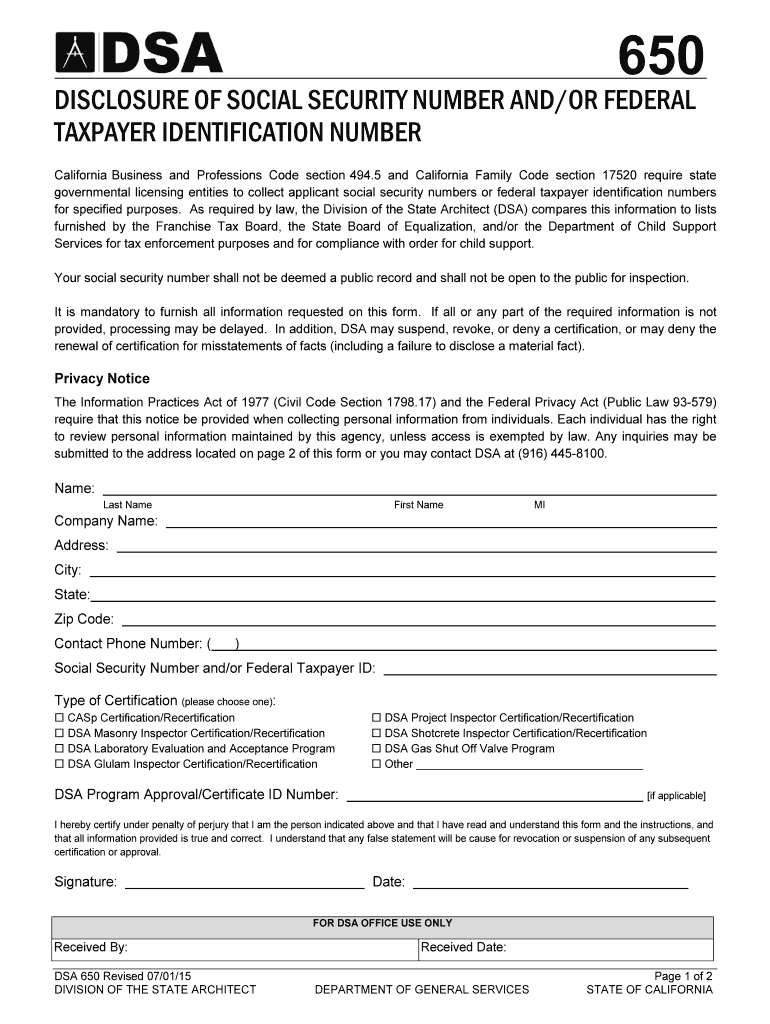







Definition & Meaning
The "disclosure documents DGS form" serves as a critical tool for individuals or organizations needing to disclose specific information to comply with legal or regulatory requirements. The form typically collects sensitive data relevant to a particular legal, financial, or professional context, ensuring accurate and complete information is captured. Such forms are essential in verifying identities, detailing financial activities, or documenting specific agreements or circumstances required by law.
Understanding the purpose and breadth of the disclosure DGS form is crucial. These forms often come with instructions that guide users on the nature of the data needed. The clarity of the form's purpose minimizes confusion and helps users provide accurate information, which is crucial for legal compliance and reduces the risk of misinformation or errors.
Key Elements of the Disclosure Documents DGS Form
The disclosure documents DGS form encompasses several critical elements that users must comprehend and complete accurately. These elements typically include:
- Personal Identification Information: This section collects fundamental details such as name, address, and identification numbers, which are pivotal for identity confirmation.
- Specific Disclosure Requirements: Detailed inquiries specific to the purpose of the form, such as tax information, asset declarations, or legal declarations, contingent on the form's aim and usage.
- Signature Field: This is crucial for validating the information provided, underpinning legal authenticity and agreement to the disclosed data's truthfulness.
Each element is designed with specific regulatory compliance in mind, ensuring that all aspects of the disclosure align with broader legal requirements. Comprehensively understanding and correctly filling out these sections is vital for form validity and acceptance.
Steps to Complete the Disclosure Documents DGS Form
Filling out the disclosure documents DGS form involves a structured approach to ensure accuracy and completeness:
-
Review the Instructions: Begin by thoroughly reading through the instructions accompanying the form to understand the requirements.
-
Gather Necessary Information: Assemble all required personal and supporting documents, such as identification and additional documentation outlined in the form's instructions.
-
Fill Out Personal Information: Carefully input all requested personal and identification data into the form, ensuring precision in spelling and numerical entries.
-
Complete Disclosure Sections: Provide the necessary data for each section, ensuring all information is accurate and meets the specified requirements.
-
Review and Verify Entries: Double-check each section for errors or omissions. Verifying information accuracy is crucial before submission.
-
Provide Signature and Date: Sign and date the form in the designated areas to affirm compliance with and accuracy of the disclosed information.
Each step in this process ensures that users accurately and fully complete the disclosure documents DGS form, mitigating risks of non-compliance or rejection.
Who Typically Uses the Disclosure Documents DGS Form
The disclosure documents DGS form is utilized by a diverse group ranging from individuals to large entities. Typically, users include:
- Individuals: For personal legal, financial, or tax-related disclosures where specific information is mandated by law or policy.
- Businesses and Organizations: Corporations of varying sizes, partnerships, and non-profits may use these forms for compliance purposes in regulatory environments.
- Professionals: Lawyers, tax advisors, and accountants may fill these forms on behalf of their clients to meet specific requirements.
Each user type must understand the requisite information necessary for their specific context, ensuring that they meet the required standards of disclosure effectively.


How to Obtain the Disclosure Documents DGS Form
Acquiring a disclosure documents DGS form can be straightforward, with multiple avenues available for procurement:
- Online Portals: Most regulatory bodies offer downloadable forms on their official websites for easy access and printing.
- Physical Offices: Forms can often be obtained by visiting governmental or regulatory offices in person.
- Mail Requests: Some institutions provide forms via mail upon request, ideal for individuals who may prefer paper copies.
Understanding how to acquire these forms ensures users have timely access to the resources needed for compliance, leading to efficient processing and reduced delays.
Legal Use of the Disclosure Documents DGS Form
Using the disclosure documents DGS form within the confines of its legal intent is fundamental to ensuring compliance and avoiding penalization. The legal use includes:
- Accurate Information Provision: Legally, the form must be used to provide truthful and complete details as stipulated by regulation.
- Authorized Disclosure Only: The information furnished must be authorized and relevant to the purpose for which it is collected.
By adhering to these legal principles, users maintain accountability and transparency, which are cornerstones of lawful disclosure practices.
Important Terms Related to Disclosure Documents DGS Form
Understanding the terminology associated with the disclosure documents DGS form enhances user comprehension and accuracy in completion. Key terms include:
- Disclosure: The act of making known specific information as required by law or regulation.
- Compliance: Adhering to the legal and procedural standards of the form's necessary completion.
- Verification: The process of confirming the accuracy and truthfulness of the provided information on the form.
Familiarity with these terms aids in navigating and understanding the form requirements, improving the quality and accuracy of information provided.
Filing Deadlines / Important Dates
Timeliness in filing the disclosure documents DGS form is as crucial as the accuracy of the information. Users must be acutely aware of:
- Deadline Specifications: Each disclosure form has unique deadlines imperative for legal compliance.
- Consequences of Late Filing: Missing deadlines can result in penalties or other legal complications, underscoring the importance of timely submissions.
Understanding these timelines and adhering to them ensures compliance and avoids the ramifications of missed deadlines. Planning submissions in advance is advisable to accommodate for potential issues such as information validation or form errors.




