




01. Edit your form online
Type text, add images, blackout confidential details, add comments, highlights and more.

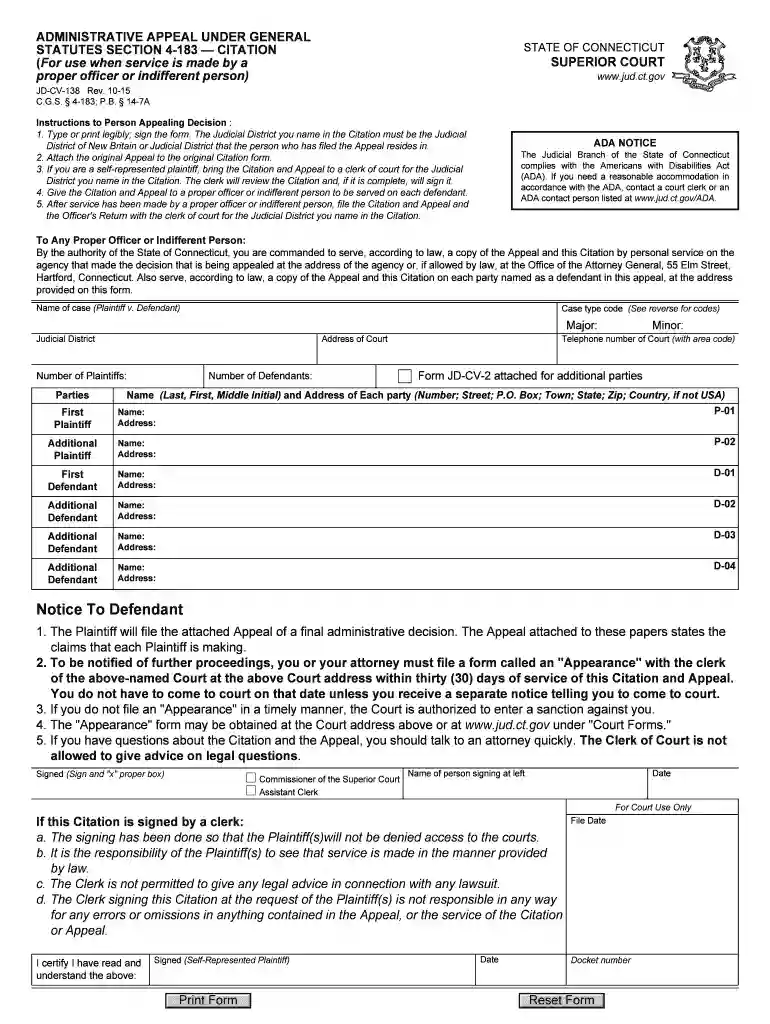
Type text, add images, blackout confidential details, add comments, highlights and more.

Draw your signature, type it, upload its image, or use your mobile device as a signature pad.

Send it via email, link, or fax. You can also download it, export it or print it out.
The term "recognizance judicial branch" refers to a legal mechanism within the judicial system. Recognizance is a pledge made to a court to ensure compliance with certain conditions, such as appearing for a trial or abiding by certain rules. This legal tool typically applies in scenarios involving bail, where an individual undertakes a formal commitment to the court, often without monetary payment. The judicial branch's role in recognizance involves overseeing these agreements and ensuring they are adhered to as part of maintaining the integrity and order of the court process.
Recognizance is an assurance by a defendant to act in accordance with specific requirements set by the court. Its primary goal is to facilitate the defendant’s compliance with court conditions in a manner that upholds public safety and judicial efficiency. The recognizance process is particularly prevalent in criminal cases but may also apply to civil matters depending on the jurisdiction.
Recognizance is primarily employed in criminal proceedings. When a person is charged with a crime, the court may allow the defendant to be released on recognizance rather than posting bail. This decision depends on factors such as the nature of the crime, the defendant’s criminal history, and their ties to the community. By signing a recognizance, defendants agree to appear in court when required and adhere to imposed conditions.
Courts utilize recognizance to balance the individual’s rights with community safety. This approach minimizes pretrial detention while also guaranteeing court appearance. Recognizance is especially useful in reducing overcrowded jail systems and promoting judicial efficiency. Furthermore, it provides individuals an opportunity to maintain employment and family responsibilities while awaiting trial.
Court Appearance: The process typically begins with a court appearance, where the judge assesses if the defendant is eligible for recognizance.
Agreement to Terms: If eligible, the defendant must agree to the terms set forth by the court, which may involve regular check-ins or travel restrictions.
Documentation: The individual must sign the recognizance paperwork, which serves as a legal acknowledgment of the terms of release.
Compliance: The defendant must comply with all court-imposed conditions, ensuring adherence to the law and judicial directives.
Monitoring and Check-Ins: Regular monitoring may be required. This can include appearing at court-scheduled check-ins or biometric reporting.
Meeting all conditions effectively closes the recognizance agreement upon the case’s conclusion or a set period.
Recognizance is primarily utilized by defendants in criminal cases who have been granted bail without the need for a financial deposit. This option is often recommended for individuals with a strong community standing, no serious criminal background, and who pose minimal flight risk. It is also used in less severe civil matters where the court decides an individual’s reliability through their history.
Legal professionals and court officials are involved in the recognizance process to review eligibility and enforce terms. This system of accountability is vital in managing case loads and ensuring that individuals are treated justly within the judicial framework. It provides a fair means for individuals to await trial without unnecessary incarceration.


Recognizing these terms and understanding their implications provides clarity on how recognizance functions within the judicial framework.
Recognizance laws can vary significantly from one state to another, as each state has its own legal code, which dictates how non-monetary bail decisions are made. Factors affecting recognizance include:
It is crucial for defendants and their legal representatives to be aware of specific state laws to navigate the recognizance system effectively.
Recognizance may be employed in a variety of scenarios within the justice system:
These examples underscore the role of recognizance in promoting fairness and balance within the judicial system.
Several elements constitute the effective use of recognizance in the judicial branch:
The interplay of these elements demonstrates the multifaceted approach of recognizance in serving both judicial fairness and social good.
We've got more versions of the recognizance judicial branch form. Select the right recognizance judicial branch version from the list and start editing it straight away!
At DocHub, your data security is our priority. We follow HIPAA, SOC2, GDPR, and other standards, so you can work on your documents with confidence.
Feb 14, 2018 Jurisdicon is primarily mandatory and the Court must hear criminal and civil appeals from district courts and certain administrave agencyRead more
(a) Any person or court officer misbehaving or disobeying any order of a judicial authority in the course of any judicial proceeding may be adjudicated inRead more


