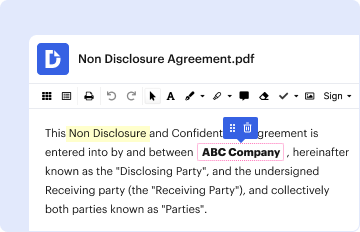
Type text, add images, blackout confidential details, add comments, highlights and more.
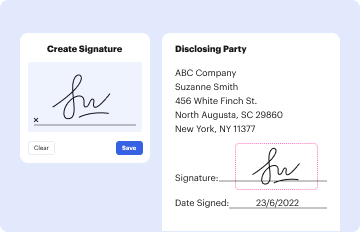
02. Sign it in a few clicks
Draw your signature, type it, upload its image, or use your mobile device as a signature pad.
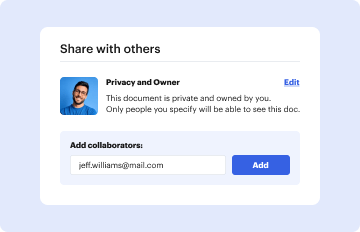
03. Share your form with others
Send it via email, link, or fax. You can also download it, export it or print it out.
How to use or fill out icwa consulta with our platform
Ease of Setup
DocHub User Ratings on G2
Ease of Use
DocHub User Ratings on G2
Click ‘Get Form’ to open the icwa consulta in the editor.
Begin by entering the case number and the child's name at the top of the form. This information is crucial for identifying the specific case.
In section 1, indicate whether a consultation regarding the child has been made. Check the appropriate box and provide details about tribal membership eligibility, including names of tribes if applicable.
Continue filling out section 1 by checking any relevant boxes that apply to the child's family background, such as parental or grandparental tribal membership.
If applicable, provide information about individuals questioned regarding the child's indigenous status. Include their names, addresses, and relationship to the child.
For cases involving delinquency under California Welfare and Institutions Code § 601 or 602, indicate if the minor is currently with a foster family or likely to be placed in one.
Finally, declare under penalty of perjury that all provided information is true and correct. Sign and date where indicated.
Start using our platform today to easily complete your icwa consulta form online for free!
O Minitel (para Meio interativo por digitalizao de informaes telefnicas) um tipo de terminal de computador destinado conexo com o servio francsRead more
Providing Active Efforts Under the Indian Child Welfare Act in
by C Crandall 2019 Cited by 6 Since the Act passed, the Supreme Court has heard a limited number of cases involving the ICWA, leaving state courts and tribal courts most-.Read more
ICWA-010(A) la consulta sobre los antecedentes indgenas del menor. Se adjunta la informacin de otras personas consultadas. la informacin que detalla las
Cookie consent notice
This site uses cookies to enhance site navigation and personalize your experience.
By using this site you agree to our use of cookies as described in our Privacy Notice.
You can modify your selections by visiting our Cookie and Advertising Notice.