







Definition and Meaning of Alaska Native Settlement Trusts
Alaska Native Settlement Trusts (ANSTs) are specialized legal arrangements established under the Alaska Native Claims Settlement Act (ANCSA) of 1971. These trusts are created by Alaska Native Corporations for the benefit of Alaska Native shareholders and are designed to enhance the financial and cultural wellbeing of these communities. ANSTs offer tax benefits and ensure that dividends and other financial resources are protected and distributed in line with the corporation’s long-term goals. The primary objective of these trusts is to manage, preserve, and increase assets for current and future generations while respecting the traditions and culture of the Alaska Native people.
How to Use the Alaska Native Settlement Trusts
Beneficiaries and trustees of ANSTs use the trusts primarily for managing and distributing financial benefits. Trustees are responsible for overseeing the investment of assets, ensuring the trust’s compliance with legal and financial regulations, and distributing income to beneficiaries. Beneficiaries can expect to receive returns on investments, dividends, or cultural benefits. The use of trusts allows for strategic planning and sustainable growth, supporting community development projects, educational scholarships, and health initiatives. Individuals involved in the management of ANSTs must be diligent and adhere to fiduciary responsibilities to maximize the benefits for the beneficiaries.
Steps to Complete the Alaska Native Settlement Trusts Form
-
Gather Required Information: Collect all necessary documents, including details about the trust, trustees, beneficiaries, investment records, and previous financial statements.
-
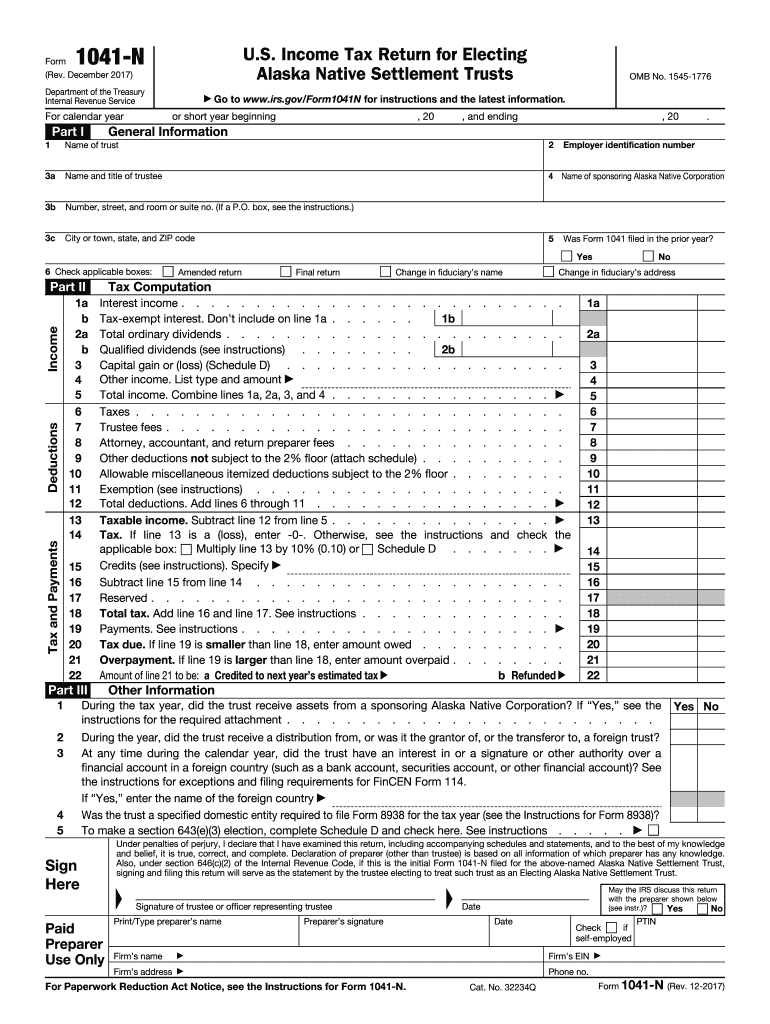
Complete General Information: Fill out the sections detailing the trust's name, identification numbers, and contact details for trustees.
-
Income and Deductions Reporting: Accurately report income earned by the trust, including dividends, interest, and capital gains. Deduct allowable expenses related to the management of the trust.
-
Tax Calculations: Calculate the trust’s tax liability using current tax rates applicable to trusts. Consider any exemptions or credits that the trust might be eligible for.
-
Beneficiary Distributions: Document any distributions made to beneficiaries during the taxable year, detailing amounts and timing.
-
Signature and Submission: Review the completed form for accuracy, sign it, and submit it through the designated method (e.g., online or mail) before the filing deadline.
Required Documents for Alaska Native Settlement Trusts
To successfully complete and file an ANST form, gather essential documents, including:
- Trust agreement and amendments
- Annual financial statements
- Beneficiary details
- Investment summaries and transaction records
- Prior year tax returns, if applicable
- Documentation of expenses related to trust management
These documents ensure the accuracy of reported information and provide a comprehensive view of the trust’s operations.
Legal Use of the Alaska Native Settlement Trusts
ANSTs must adhere to specific legal requirements, including compliance with both federal and state tax laws. The trusts are established under ANCSA with explicit guidelines for their formation, operation, and dissolution. Trustees must act within the boundaries of the law, ensuring that trust activities are directed towards the benefit of beneficiaries. The legal framework also requires proper accounting practices and timely reporting to the Internal Revenue Service (IRS) and beneficiaries. Instances of non-compliance can result in legal consequences or loss of tax-favored status.
IRS Guidelines for Alaska Native Settlement Trusts
The IRS provides detailed instructions specific to ANSTs, emphasizing:
- Reporting and filing requirements for trustees
- Tax treatment of income and distributions
- Calculations of fiduciary obligations
- Record-keeping protocols
- Compliance with the ESIGN Act for electronic submissions and signatures
Trustees must familiarize themselves with these guidelines to ensure correct and compliant submission of required filings.
Filing Deadlines and Important Dates for Alaska Native Settlement Trusts
ANSTs must file Form 1041-N, U.S. Income Tax Return for Electing Alaska Native Settlement Trusts, by the 15th day of the fourth month following the end of the trust’s tax year, typically April 15 for calendar year filers. It is important to mark key dates for interim financial reporting and seek extensions well in advance if additional time is required for filing. Failure to comply with deadlines can result in penalties, making it crucial for trustees to maintain a comprehensive calendar of all filing obligations.
Penalties for Non-Compliance with Alaska Native Settlement Trusts
Non-compliance with ANST regulations and tax obligations can result in significant penalties, including fines and the assessment of additional taxes. Penalties may include late-filing fees, interest on unpaid taxes, and potential legal action for severe violations. Trustees are advised to engage in thorough record-keeping, timely submissions, and, if necessary, consultation with tax professionals to mitigate the risk of non-compliance. Understanding the full spectrum of obligations and possible penalties underscores the importance of diligent, informed trust management.




