



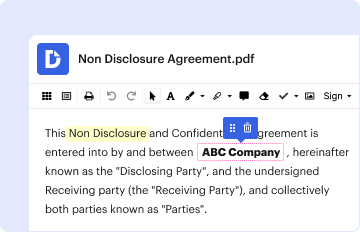
01. Edit your duly accomplished application form online
Type text, add images, blackout confidential details, add comments, highlights and more.

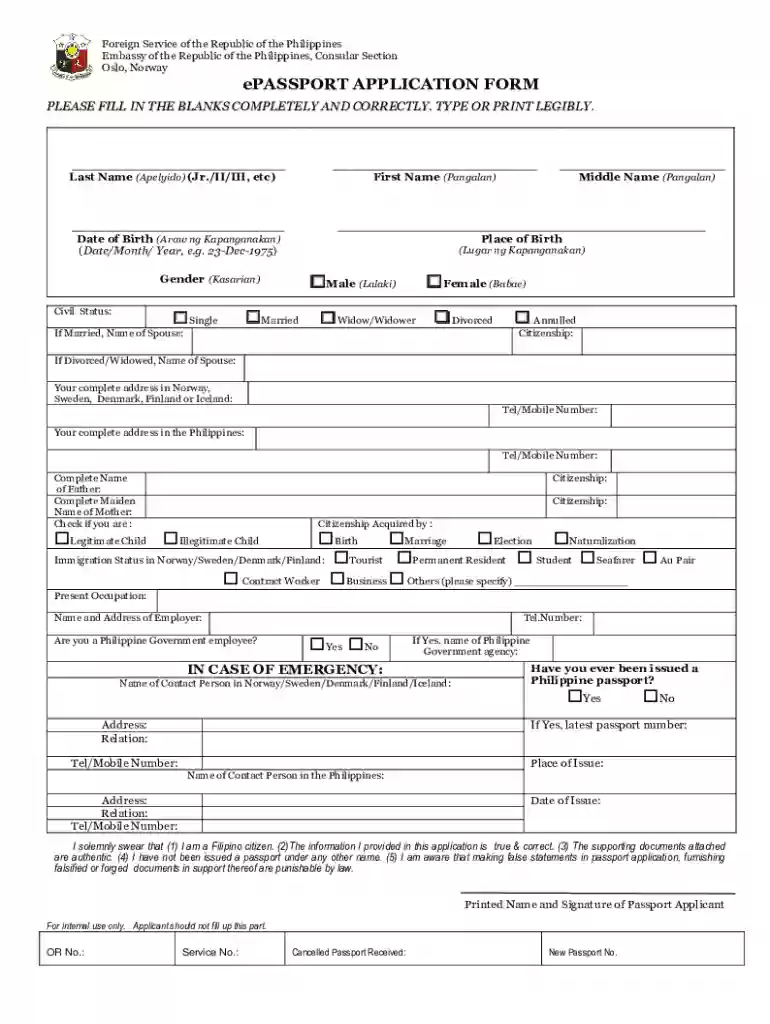
Type text, add images, blackout confidential details, add comments, highlights and more.
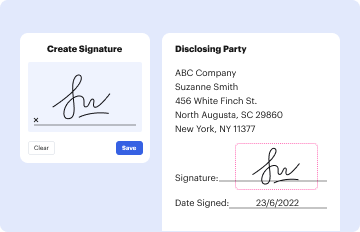
Draw your signature, type it, upload its image, or use your mobile device as a signature pad.

Send accomplished application form via email, link, or fax. You can also download it, export it or print it out.
The term "duly accomplished application form" refers to a completed form that adheres to the specified requirements and guidelines set forth by the issuing authority. This form serves as an official document necessary for various processes such as admissions, applications for passports, or employment. A duly accomplished application form signifies that all required information has been filled out accurately and completely, reducing the risk of delays or rejections.
The phrase "duly accomplished" implies that the application form is not only filled out but also completed in accordance with all guidelines provided. This means respecting formatting requirements, ensuring all fields are accurately filled, and submitting any necessary supplementary documentation. The significance of submitting a duly accomplished application form is paramount in processes involving legal or administrative actions. It helps maintain clarity and efficiency within the system, reinforcing the importance of details in formal applications.
Various individuals and entities utilize the duly accomplished application form for different purposes.
Each of these users must ensure that their application forms are duly accomplished to avoid delays or complications in their respective processes.
Completing a duly accomplished application form requires meticulous attention to detail. Here are essential steps to follow:
Following these steps reduces the likelihood of errors that could lead to delays or denials of applications.
Obtaining a duly accomplished application form typically involves a few straightforward methods.
Regardless of the method chosen, ensure that the form you obtain meets your requirements for completion.
There are key components that are typically required when completing a duly accomplished application form:
Each of these elements is crucial for ensuring the application can be processed effectively.
The duly accomplished application form often has legal implications and can be used in various contexts. It serves as a binding document that can be referenced during evaluation or review processes. Filling it out acknowledges acceptance of terms and conditions, making accuracy and truthfulness paramount. Legal uses may include:
Understanding these implications is vital to ensuring compliance and the integrity of the application process.
We've got more versions of the duly accomplished application form form. Select the right duly accomplished application form version from the list and start editing it straight away!
| Versions | Form popularity | Fillable & printable |
|---|---|---|
| 2021 | 4.8 Satisfied (44 Votes) | |
| 2020 | 4.5 Satisfied (50 Votes) | |
| 2019 | 4.7 Satisfied (29 Votes) | |
| 2019 | 4.8 Satisfied (209 Votes) | |
| 2018 | 4.9 Satisfied (48 Votes) | |
| 2018 | 4.6 Satisfied (33 Votes) | |
| 2016 | 4.5 Satisfied (54 Votes) | |
| 2013 | 4.7 Satisfied (66 Votes) | |
| 2012 | 4 Satisfied (28 Votes) | |
| 2012 | 4.7 Satisfied (39 Votes) | |
| 2011 | 4 Satisfied (46 Votes) | |
| 2011 | 4 Satisfied (59 Votes) | |
| 2004 | 4 Satisfied (26 Votes) | |
| 1981 | 4.5 Satisfied (51 Votes) | |
| 1961 | 4.8 Satisfied (245 Votes) |
At DocHub, your data security is our priority. We follow HIPAA, SOC2, GDPR, and other standards, so you can work on your documents with confidence.
Certification: The applicant certifies to the best of his/her knowledge and belief that the data in this application are true and correct and that the filing ofRead more
(3) Registration shall be limited to authorized providers in good standing and will consist of submission to the Department of a completed application in a formRead more


