




Here's how it works
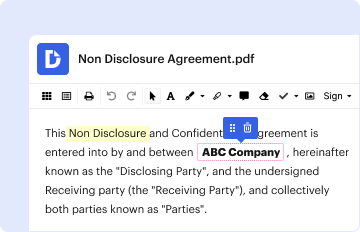
01. Edit your form online
Type text, add images, blackout confidential details, add comments, highlights and more.
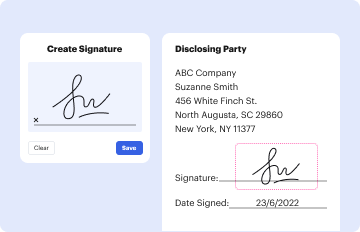
02. Sign it in a few clicks
Draw your signature, type it, upload its image, or use your mobile device as a signature pad.
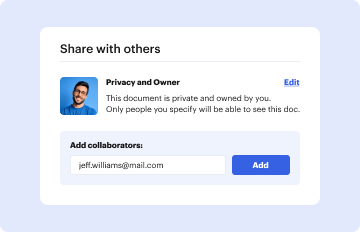
03. Share your form with others
Send it via email, link, or fax. You can also download it, export it or print it out.
How to use or fill out ASTHMA ACTION PLAN FOR SCHOOL CHILDREN YEAR 20 - arhs-ncorg with our platform

- Click ‘Get Form’ to open it in the editor.
- Begin by entering the child's Name and Date of Birth (DOB) at the top of the form. This information is crucial for identifying the student.
- Fill in the Personal Best Peak Flow and Height fields to provide essential health metrics.
- Indicate the severity of asthma by checking one of the options: Mild, Moderate, Severe, or Exercise-induced.
- Complete the Parent/Guardian and Doctor contact information sections, including phone numbers for easy communication.
- In the Green Zone section, check daily peak flow instructions and list any daily medications along with their dosages and frequency.
- For Yellow Zone symptoms, specify rescue medications needed for coughs or wheezing and how often they should be administered.
- In the Red Zone section, outline emergency procedures if peak flow is below specified levels, including medication details and actions to take.
- Finally, ensure that both parent/guardian and doctor signatures are obtained where indicated to validate the plan.
Start using our platform today to easily complete your Asthma Action Plan for free!
Fill out ASTHMA ACTION PLAN FOR SCHOOL CHILDREN YEAR 20 - arhs-ncorg online
It's free
It's free
See more ASTHMA ACTION PLAN FOR SCHOOL CHILDREN YEAR 20 - arhs-ncorg versions
We've got more versions of the ASTHMA ACTION PLAN FOR SCHOOL CHILDREN YEAR 20 - arhs-ncorg form. Select the right ASTHMA ACTION PLAN FOR SCHOOL CHILDREN YEAR 20 - arhs-ncorg version from the list and start editing it straight away!
Got questions?
We have answers to the most popular questions from our customers. If you can't find an answer to your question, please contact us.
Contact us
What is the Childrens Hospital asthma action plan?
It says what to do based on your childs symptoms and peak flow readings. It has information about your childs medicines and triggers. It says when to call their doctor. Your childs Asthma Action Plan should be updated at each visit with their doctor.
What are the four steps in the asthma action plan?
To use asthma first aid with a blue/grey reliever puffer : Step 1: Sit the person upright. Step 2: Give 4 separate puffs of blue/grey reliever puffer. Step 3: Wait 4 minutes. Step 4: If breathing does not return to normal, call triple zero (000) for an ambulance. In asthma emergencies, follow your asthma action plan.
What does correct asthma management include?
Medication is essential to manage asthma well. Good asthma care also involves treating other conditions that can affect asthma, such as hay fever or allergic rhinitis. A healthy lifestyle can help you stay in control of your asthma symptoms and feel well. With good asthma management, you can lead a normal, active life.
What are the 4 components of asthma disease management program?
The four essential components of asthma management---assessment and monitoring, controlling factors contributing to asthma severity, pharmacotherapy, and education for partnership in care---are distilled from the NAEPP EPR-2 Guidelines for the Diagnosis and Management of Asthma (Table 1).
What is the Healthy Childrens asthma action plan?
Asthma action plans include a list of the childs asthma medications taken, early warning signs for asthma symptoms, instructions on when to use the medicines and call your health care provider, and when to seek emergency care.
Security and compliance
At DocHub, your data security is our priority. We follow HIPAA, SOC2, GDPR, and other standards, so you can work on your documents with confidence.
Learn more


Related forms
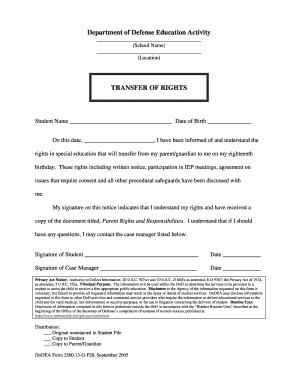
G f28 form pdf
The document outlines the transfer of special education rights from a parent or guardian to a student upon their eightee ...
Dd form 2775
The document is a PALLET IDENTIFIER form that includes essential information for identifying and tracking pallets used i ...
Navmc 11381
The document is a Class V(W) Expenditure Report used for tracking the receipt, expenditure, and turn-in of ammunition du ...

Sports strategy
The National Youth Sports Strategy, developed by the U.S. Department of Health and Human Services, aims to enhance youth ...
5 1 13 -1- 317 IN THE DISTRICT COURT OF - Kansas Judicial Council - kansasjudicialcouncil
5 1 13 -1- 317 IN THE DISTRICT COURT OF - Kansas Judicial Council - kansasjudicialcouncil
The document is a subpoena issued by the District Court of a Kansas county, commanding a named individual to appear in c ...
08 30 2016 -1- 170 2 IN THE DISTRICT COURT OF - kansasjudicialcouncil
The document is a legal form used in Kansas for a permanency hearing order based on recommendations from the Citizen Rev ...
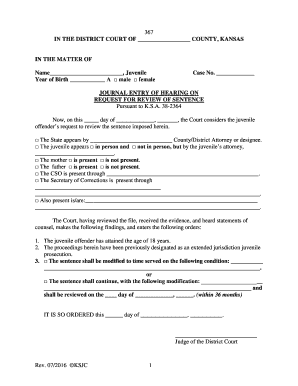
Journal sentence 367 form printable
The document is a journal entry from a District Court in Kansas regarding a hearing to review the sentence of a juvenile ...

07 15 2016 -1- 107 IN THE DISTRICT COURT OF - Kansas Judicial - kansasjudicialcouncil
The document is an initial court order for the removal of a child from parental custody in Kansas, authorizing out-of-ho ...
People also ask
What does an asthma management plan include?
Whichever system is used, the response plan needs to cover: maintenance/preventer therapy: doses and frequencies of regular medications. treating exacerbations: how to adjust treatment in response to particular signs and symptoms. managing increased severity: when to start oral corticosteroids and seek medical advice.
What should be included in an asthma management plan?
An asthma action plan is a written treatment plan that describes the following: How to identify allergens or triggers to avoid. How to know if you are having an asthma attack and what to do. Which medicines to take and when to take them. When to call your provider or go to the emergency room. Whom to contact in an emergency.