Identity Theft Checklist for Minors 2026

Get Form
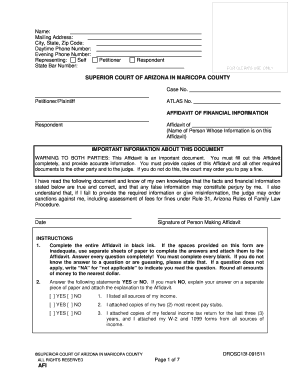
Identity Theft Checklist for Minors Preview on Page 1

Here's how it works

01. Edit your form online
Type text, add images, blackout confidential details, add comments, highlights and more.
02. Sign it in a few clicks
Draw your signature, type it, upload its image, or use your mobile device as a signature pad.
03. Share your form with others
Send it via email, link, or fax. You can also download it, export it or print it out.

How to use or fill out Identity Theft Checklist for Minors with DocHub

Form edit decoration
9.5
Ease of Setup
DocHub User Ratings on G2
9.0
Ease of Use
DocHub User Ratings on G2
  1. Click ‘Get Form’ to open the Identity Theft Checklist for Minors in our platform's editor.
  2. Begin by reviewing the checklist sections, which guide you through reporting identity theft to credit bureaus, law enforcement, and other relevant agencies. Each section contains specific actions to take.
  3. Fill in your child's identifying information where required, ensuring accuracy for effective communication with credit bureaus and law enforcement.
  4. Check off each step as you complete it. This will help you stay organized and ensure that no critical actions are overlooked.
  5. Utilize our platform’s features to save your progress, add notes, or attach necessary documents directly within the form for easy access.
  6. Once completed, download or share the checklist securely via email or cloud storage options integrated into our platform.

Start using our platform today to efficiently manage your Identity Theft Checklist for Minors!

be ready to get more

Complete this form in 5 minutes or less

Get form

Got questions?

We have answers to the most popular questions from our customers. If you can't find an answer to your question, please contact us.
Contact us

Sure, and it’s really straightforward! DocHub is an online PDF editor with advanced document processing capabilities that allow you quickly adjust your documents, complete empty fields and add new ones for others to fill out, and create electronic signatures in several ways. Import your Identity Theft Checklist for Minors, provide information as required, and select how you want to eSign your template - by typing your name, drawing your signature, uploading its image, or utilizing a QR code.

With DocHub, there are several convenient methods to edit your Identity Theft Checklist for Minors online. You can drag and drop the form and modify it straight at the DocHub site or use our browser extension to fill out your form right away. Additionally, you can modify your PDF on your smartphone, as DocHub is compatible with all the accessible mobile platforms.

Financial identity theft. This is the most common form of identity theft when someone uses another persons information for financial gain.
Here are five common types of identity theft to help you stay one step ahead of hackers. Financial identity theft. Medical identity theft. Criminal identity theft. Synthetic identity theft. Child identity theft.
Check your childs credit reports Start by checking to see if your child has a credit report. If they do, that may be a red flag indicating possible identity theft. If a credit report is found, inform the credit bureau it may be fraudulent.

Security and compliance

At DocHub, your data security is our priority. We follow HIPAA, SOC2, GDPR, and other standards, so you can work on your documents with confidence.

Learn more
ccpa2
pci-dss
gdpr-compliance
hipaa
soc-compliance

People also ask

What are signs that my child may be a victim of identity theft? Bills, credit cards or debt collection calls to your home in your childs name may be signs of identity theft. If your child receives a pre-approved credit offer, it might mean that someone is using the childs identity.
The three most common types of identity theft are financial, medical and online.Learn how you can prevent them and what to do if they happen to you. Financial identity theft. Medical identity theft. Online identity theft.
One of the most effective ways to help protect against a thief from opening credit cards and loans in a childs name is to freeze his or her credit file. The major credit reporting agencies (Experian, TransUnion and Equifax) offer this tool.
What you can do to detect identity theft Track what bills you owe and when theyre due. If you stop getting a bill, that could be a sign that someone changed your billing address. Review your bills. Check your bank account statement. Get and review your credit reports.
Phishing scams on email or social media: Children who use the internet unsupervised are also at higher risk of identity theft. Scams on social media or email often directly target children by tricking them into giving up their SSN and other personal data.

Related links