





Definition and Meaning of a Court Order
A court order is a formal directive issued by a judicial authority that commands specific actions to be carried out by individuals or entities. These orders serve as legal instruments to establish rights, enforce decisions, and guide the conduct of parties within the judicial system. There are various types of court orders, including temporary orders, final orders, and consent orders, each serving distinct purposes within legal proceedings.
Key characteristics of a court order include:
- Legally Binding: Court orders are enforceable by law. Failure to comply may result in legal penalties.
- Written Document: They are formally documented and issued by a judge or court.
- Specific Instructions: Clear instructions must be provided, outlining the actions required or prohibited.
Understanding court orders and their implications is essential for individuals involved in legal disputes, as they dictate compliance regarding matters like custody, debt repayment, restraining orders, or property rights.
Key Elements of a Form Sample Court Order
A typical court order contains several essential elements that define its purpose and ensure clarity. Here's a detailed overview of these elements:
-
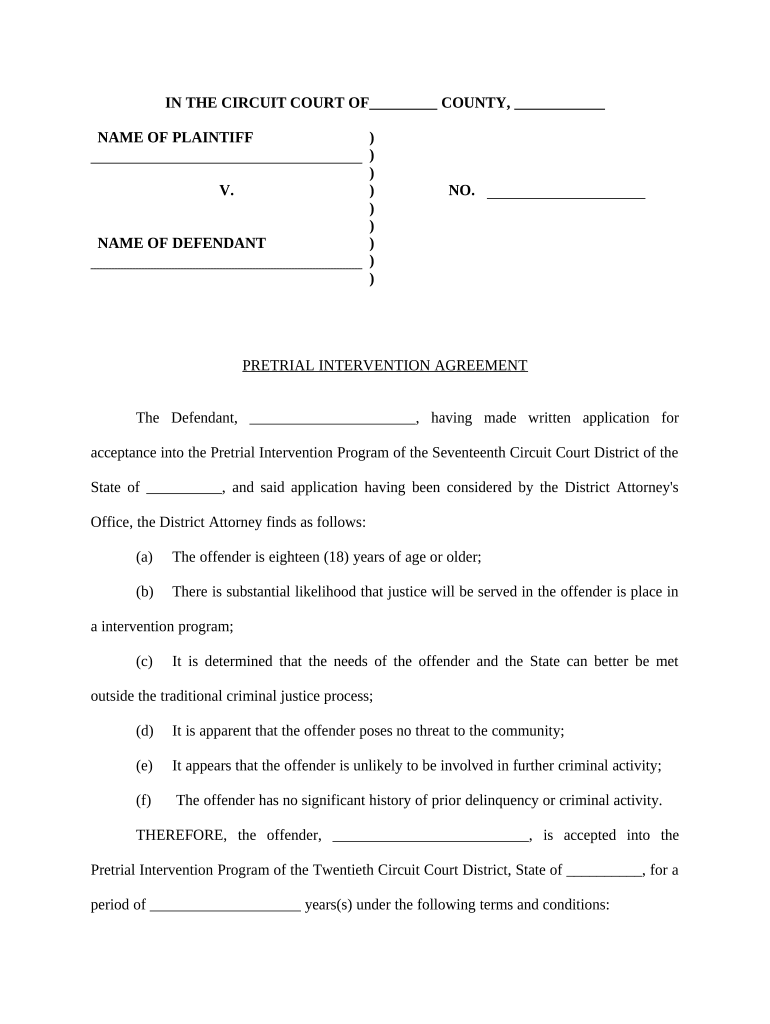
Title: This indicates the nature of the order, such as "Order for Child Custody" or "Order for Payment."
-
Parties Involved: Clearly identifies the individuals or entities subject to the order. Their roles, such as plaintiff and defendant, must be specified.
-
Jurisdiction: This section states the court's authority to issue the order and the relevant laws under which it operates.
-
Findings and Conclusions: The order may include factual findings that justify the court's decision and conclusions drawn from those facts.
-
Instructions: Specific actions that the parties are required to take or cease. This can range from financial obligations to behavior regulations.
-
Enforcement Measures: Details the consequences of non-compliance, including potential fines or confinement.
-
Execution Date: Provides the date when the order takes effect, which is crucial for the timing of compliance.
-
Judge's Signature: The order must be signed by a judge to affirm its legitimacy and enforceability.
How to Use a Form Sample Court Order
Utilizing a form sample court order involves several steps to ensure compliance with legal requirements and proper application in specific cases.
-
Identify the Type of Order Needed: Determine the specific nature of the court order required. This could involve custody arrangements, financial matters, or protective orders.
-
Obtain the Form: Access the appropriate court order form, either through the court’s website or in person at the courthouse. Ensure you have the correct template that aligns with your jurisdiction's requirements.
-
Fill Out the Form: Carefully increase details that include the parties involved, the specific requests, and relevant statutes that support the court's authority.
-
Review for Accuracy: Check the completed form for any errors or missing information. It's essential to provide accurate details to avoid potential delays in processing.
-
Submit the Form: File the completed court order form with the appropriate court. Follow jurisdiction-specific protocols for submission, whether online, in person, or via mail.
-
Await Confirmation: After submission, the court may provide a confirmation or schedule a hearing to discuss the order further. Keep documentation of all filed materials for future reference.
Legal Use of the Form Sample Court Order
Court orders have specific legal uses that vary according to the type of order issued. Common legal applications include:
-
Family Law: Orders related to custody arrangements or child support details.
-
Civil Cases: Orders that govern the conduct of the parties involved in a civil dispute, dictating their responsibilities.
-
Criminal Cases: Sentencing orders and conditions of probation that a defendant must follow upon release.
A court order is enforceable across jurisdictions, with the understanding that terms must be adhered to. Violating a court order can lead to contempt of court proceedings, which may result in additional legal ramifications.
Examples and Templates of Court Orders
Various templates and examples exist to guide individuals in drafting effective court orders. Common scenarios include:
-
Child Custody Order: Details the custody arrangement between parents, addressing visitation schedules and decision-making authority.
-
Restraining Order: Specifies the requirements for parties to maintain distance or cease contact, often used in domestic violence cases.
-
Default Judgment: An example where one party falls short in performing their obligations, resulting in a court order favoring the other party.
Templates for each type can generally be obtained from court websites and legal assistance groups, ensuring that individuals are familiar with the appropriate language and structure.
Examples serve to illustrate the typical clauses and formatting preferences of orders, which is vital for creating legally sound documents that meet both court expectations and legal standards.