






Definition and Meaning of Letter of Representation
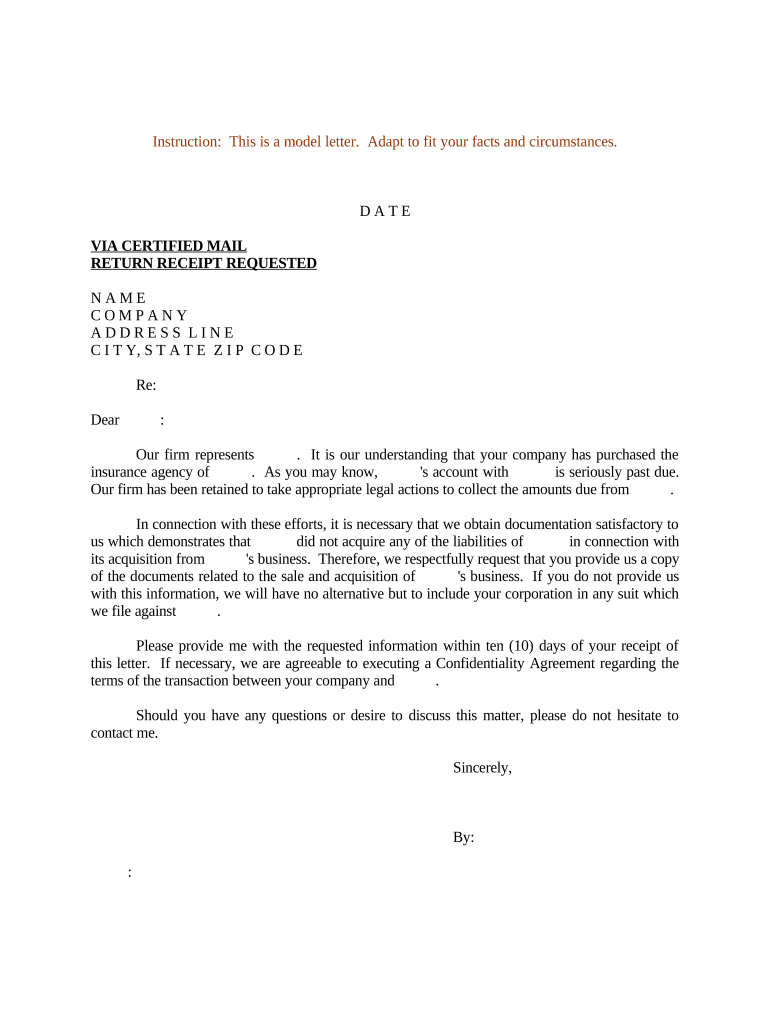
A letter of representation is a formal document often used in legal, financial, and business contexts. Its primary purpose is to confirm the relationship between parties, particularly when one party represents another in specific dealings. This letter serves to assert the authority of an agent or attorney in dealing with third parties on behalf of a client or organization.
For example, law firms may draft client representation letters to inform third parties that they are acting on behalf of a client in legal matters. It may also specify the scope of authority granted to the representative, which can include the ability to make decisions, provide information, or receive documents on behalf of the entity represented.
Key Elements of the Letter of Representation
Understanding the components of a letter of representation is crucial for its effectiveness. Below are key elements that should be included:
-
Identifying Information: The letter should clearly state the details of both the client and the representative, including names, addresses, and contact information.
-
Scope of Representation: It should outline the extent of the authority granted to the representative. This might specify particular transactions or matters in which the representative can act.
-
Duration: Indicate the period during which the representation is valid. Specify if it is for a single transaction or an ongoing relationship.
-
Signature and Date: The letter must be signed by the client, confirming their consent and acknowledgment of the representation.
For example, a corporate client may include in the letter that the lawyer has the authority to negotiate contracts and settle disputes for a specified period.
Legal Use of the Letter of Representation
The legal implications of a letter of representation are significant. In many cases, this document is essential for effective communication with third parties and asserting rights. Here are some legal contexts where it is used:
-
Tax Representation: Tax professionals often require a letter of representation to communicate with the IRS on behalf of their clients. This ensures that tax authorities recognize the tax preparer’s authority in managing tax-related matters.
-
Property Transactions: In real estate, agents use representation letters to establish their authority to negotiate or finalize property deals on behalf of clients.
-
Law Firm Engagements: While engaging clients, law firms often use client representation letters to clarify the engagement terms and delineate the scope of services provided.
The enforceability of these letters relies on their adherence to relevant laws and regulations. This makes it pivotal to consult with legal counsel when drafting a representation letter.
How to Use the Letter of Representation
Using a letter of representation effectively involves several important steps. Here’s a structured approach:
-
Draft the Document: Ensure all necessary elements are included, such as party identification, authority scope, and signature. Consider using a template for consistency.
-
Review with All Parties: Before finalizing, review the document with all involved parties to ensure mutual understanding and agreement on the terms outlined in the letter.
-
Distribute Copies: Once executed, distribute copies of the letter to all relevant parties, including the representative, client, and any third parties who may need to verify the representation.
-
Maintain Records: Retain a signed copy of the letter in your records for future reference. This is important for both legal compliance and professional accountability.
For instance, when a tax preparer sends a letter of representation to the IRS, it allows them to handle specific queries and filings on behalf of the taxpayer without needing further authorization for each matter.
Steps to Complete the Letter of Representation
Completing a letter of representation requires meticulous attention to detail. Below are structured steps to ensure a comprehensive approach:
-
Choose a Template: Start with a well-defined template that covers all essential elements of a representation letter.
-
Fill in Client and Representative Details:
- Client full name and address
- Representative full name and address
-
Specify Scope and Duration:
- Clearly define the scope of authority granted (e.g., negotiation rights, decision-making).
- Set a start and end date for the representation.
-
Signature and Acknowledgment:
- Include a space for the client to sign and date the letter, confirming their consent.
-
Review and Finalize:
- Go through the document with all parties to ensure clarity and mutual understanding.
- Make any necessary amendments before final distribution.
Using a systematic approach to complete the letter ensures that all necessary aspects are well-articulated, leaving no room for ambiguity regarding the power granted.
Examples of Using the Letter of Representation
Here are practical examples illustrating how letters of representation are employed across various contexts:
-
Tax Preparation Example: A tax professional prepares a letter of representation for a client that allows them to communicate directly with the IRS regarding the client's tax returns. This letter enables the agent to resolve issues without the client's direct involvement.
-
Real Estate Transaction: A buyer's agent submits a letter of representation to a property seller, confirming their authority to act in negotiations and facilitate the sale on behalf of the buyer.
-
Corporate Matters: A company might issue a representation letter to its legal counsel, authorizing them to represent the organization during contract negotiations and legal disputes.
By utilizing specific scenarios, stakeholders can gauge the importance of having a well-structured letter of representation to facilitate interactions across various activities.