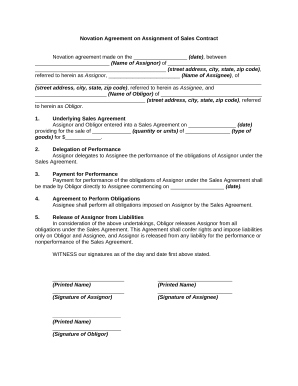
General Notice of Default for Contract for Deed - Colorado 2026

Get Form
General Notice of Default for Contract for Deed - Colorado Preview on Page 1

Here's how it works

01. Edit your form online
Type text, add images, blackout confidential details, add comments, highlights and more.
02. Sign it in a few clicks
Draw your signature, type it, upload its image, or use your mobile device as a signature pad.
03. Share your form with others
Send it via email, link, or fax. You can also download it, export it or print it out.

How to use or fill out General Notice of Default for Contract for Deed - Colorado with our platform

Form edit decoration
9.5
Ease of Setup
DocHub User Ratings on G2
9.0
Ease of Use
DocHub User Ratings on G2
  1. Click ‘Get Form’ to open the General Notice of Default for Contract for Deed - Colorado in the editor.
  2. Begin by filling in the recipient's name and address in the designated fields at the top of the form. Ensure accuracy to avoid any delivery issues.
  3. In the section regarding compliance, enter the date of the original contract for deed and specify the property location clearly.
  4. Detail the nature of the default. For example, if it’s a failure to make timely payments, indicate the delinquent amount and specify which months are affected.
  5. If there are additional defaults, describe them in the provided space, ensuring clarity on what actions need to be taken.
  6. Outline corrective actions required to remedy each default, including payment deadlines and any other necessary steps.
  7. Finally, sign and date the notice at the bottom before sending it via registered or certified mail as indicated.

Start using our platform today to easily complete your General Notice of Default for Contract for Deed - Colorado online for free!

be ready to get more

Complete this form in 5 minutes or less

Get form

Got questions?

We have answers to the most popular questions from our customers. If you can't find an answer to your question, please contact us.
Contact us
A default notice, also known as a notice of demand or a default letter, is the name for a formal letter you receive from a creditor when youve missed several payments to them. It means that you have 14 days to repay any amount you owe before a default is added to your credit file.
Usually, a homeowner must be about 120 days delinquent on their mortgage payments before the lender can initiate the foreclosure. After 120 days, the lender will instruct the Public Trustee to start the foreclosure process. The Public Trustee will then record a Notice of Election and Demand (NED).
If the buyer defaults or fails to make the monthly payments to the seller as required, the seller will need to file a court action called land contract forfeiture. Success in court will result in the buyer forfeiting, or giving up, all money paid to the seller for the property pursuant to the land contract.
If you receive a default notice you should: Pay the amount owed and your usual repayment within 30 days. Once you have caught up with repayments, you are no longer in default and the lender cannot start legal action against you.
A Borrower Defaults on a Loan When Payments on That Loan Are 30 Days Late. At least 30 days after the default, the lender must send the borrower a Notice of Default providing notice that the borrower is in default and informing them of how to cure the default and avoid foreclosure.

Security and compliance

At DocHub, your data security is our priority. We follow HIPAA, SOC2, GDPR, and other standards, so you can work on your documents with confidence.

Learn more
ccpa2
pci-dss
gdpr-compliance
hipaa
soc-compliance

People also ask

If a borrower falls behind on mortgage payments, a lender or servicer may file a notice of default with a court or county recorders office. A notice of default is essentially a formal wake-up call from your lender, says Timothy Chase, a mortgage broker and owner of 719 Lending in Colorado Springs, Colorado.

Related links