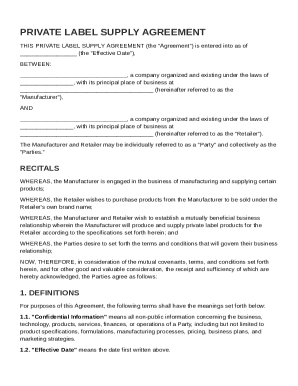
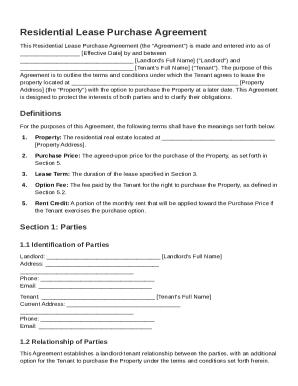
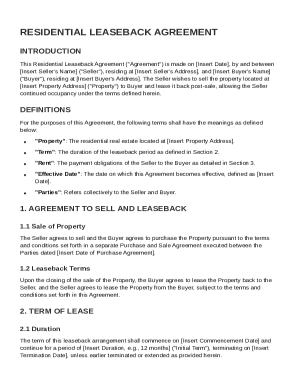
30-Day Notice to Quit (2nd Non-Compliance) A tenant is given this notice if they have violated their lease in the same manner for the 2nd time in the last 6 months. There is no option for the tenant to remediate and they shall be forced to move within one (1) month.
How to prove a retaliatory eviction?
A landlord must use the 14-day/30-day notice for any bdocHub except nonpayment of rent. Common causes for 14-day/30-day notices are keeping pets when the lease says no pets, loud parties that cause neighbors to report noise complaints, and illegal activity (such as illegal drugs) in the unit, among others.
What is the 14/30 notice to the landlord in Kansas?
Id like to ask for a (insert dollar amount) reduction to my monthly rent, however, Im open to negotiate and compromise. If you accept this request, Id be able to continue my lease and call this home. Can we schedule a time to meet and discuss this in more detail?
What is a 14/30 in Kansas?
If the landlord does not fix the problem within 14 days of your notice, your right to occupy the unit will end 30 days after your notice (or on the later date you put in the notice). This means you have to move out.
How much notice does a landlord have to give in Kansas?
Notice. Before beginning legal eviction proceedings, your landlord must provide you 3 days notice to leave the residence. This means your landlord must wait at least 72 hours after providing you this notice before filing papers to start the eviction lawsuit.
Related Searches
Kansas tenant rights HandbookKansas landlord-tenant Act security depositLandlord responsibilities under Kansas law14/30 notice Kansas to TenantKansas landlord-tenant Act 2025How to report a landlord in KansasKansas tenant rights to withhold rentKansas rental laws breaking lease
Security and compliance
At DocHub, your data security is our priority. We follow HIPAA, SOC2, GDPR, and other standards, so you can work on your documents with confidence.
How to write a letter to landlord about rent decrease?
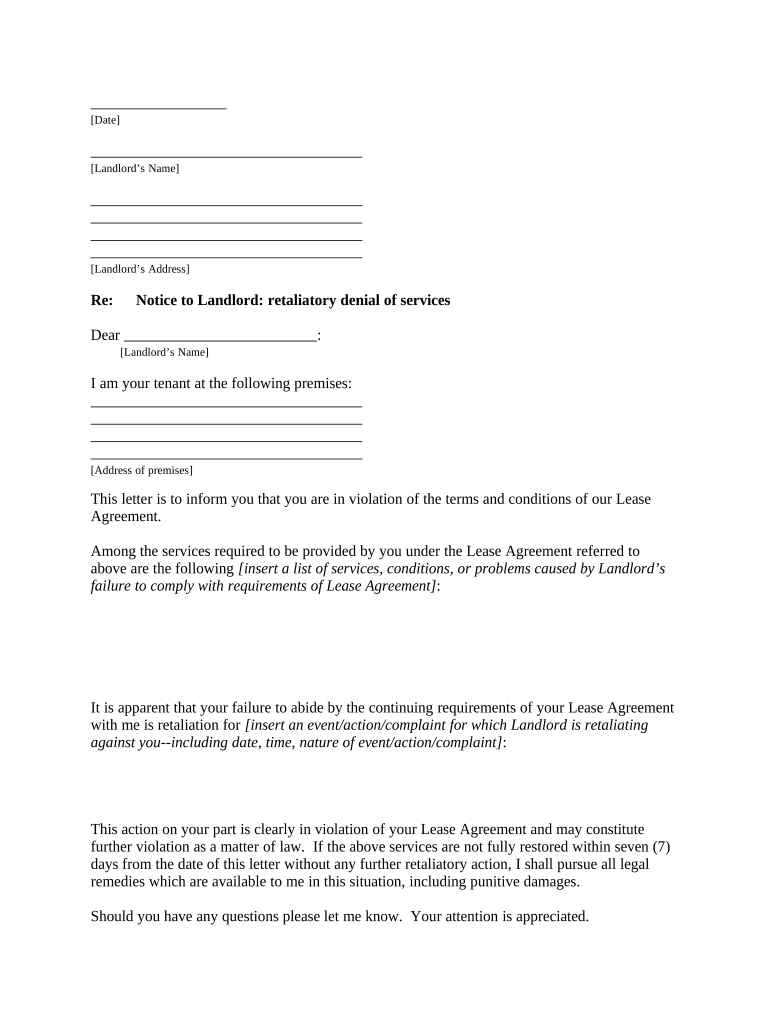
Note that even if the landlord proves that he or she has a valid reason for the eviction, the tenant can prove retaliation by showing that the landlords effort to evict the tenant is not in good faith and is primarily based on a goal of punishing the tenant for exercising said rights.
How long does it take to evict a tenant in Kansas?
The process can move faster or slower depending on court schedules and tenant actions. For example, after the initial notice is served, Kansas law gives tenants between 3 and 14 days to comply or vacate based on the violation type. After court judgment, the sheriff has up to 14 calendar days to carry out the eviction.
Related links
Tenant Handbook
Retaliatory Conduct: A landlord may not retaliate by increasing rent or decreasing services because a tenant complains to a government agency about violations
Mar 6, 1996 The text of this book has been prepared in accordance with the Kansas Residential Landlord and. Tenant Act. Under that Act in K.S.A. 58-2543:.
Cookie consent notice
This site uses cookies to enhance site navigation and personalize your experience.
By using this site you agree to our use of cookies as described in our Privacy Notice.
You can modify your selections by visiting our Cookie and Advertising Notice.