Waiver and Release From Liability For Minor Child for Laser Tag Facility 2026

Get Form
laser tag waiver Preview on Page 1

Here's how it works

01. Edit your laser tag waiver online
Type text, add images, blackout confidential details, add comments, highlights and more.
02. Sign it in a few clicks
Draw your signature, type it, upload its image, or use your mobile device as a signature pad.
03. Share your form with others
Send it via email, link, or fax. You can also download it, export it or print it out.

How to use or fill out Waiver and Release From Liability For Minor Child for Laser Tag Facility

Form edit decoration
9.5
Ease of Setup
DocHub User Ratings on G2
9.0
Ease of Use
DocHub User Ratings on G2
  1. Click ‘Get Form’ to open it in the editor.
  2. Begin by entering your name and the name of the minor child in the designated fields. This identifies who is waiving liability on behalf of the child.
  3. Carefully read through the waiver section, which outlines the release of liability. Ensure you understand that this includes all claims related to activities at the facility.
  4. In the medical conditions section, list any allergies or medical conditions that may affect your child's participation. This is crucial for their safety.
  5. If there are specific activities your child should avoid due to medical conditions, note these in the prohibited activities section.
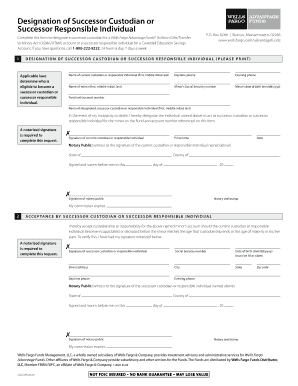
  6. Finally, sign and date the form as a parent or guardian, confirming that you agree to all terms outlined in the waiver.

Start using our platform today to easily complete and sign your Waiver and Release From Liability form for free!

be ready to get more

Complete this form in 5 minutes or less

Get form

Got questions?

We have answers to the most popular questions from our customers. If you can't find an answer to your question, please contact us.
Contact us
Do You Have to Be 18 to Sign a Waiver? In most jurisdictions, you must be 18 or older to sign a legally binding waiver. A parent or guardian must sign on their behalf if the participant is a minor.
A liability waiver form is a legal contract that educates one party about the risks associated with an activity. Once signed, it prevents the participant from opening a lawsuit against the company in the event of damage or loss, effectively shifting responsibility for injuries from the company to the customer.
This type of form is usually sent home from school with your child and asks permission for them to participate in activities like school field trips, particular extracurricular activities, and more. Parental consent forms can pop up in other areas too.
That said, a valid liability waiver should at least include the following details: Introductory or cautionary statement. A detailed account of the inherent dangers. Assumption of risks. Release clause. Indemnification. Choice of law. A confirmation and signature section.
Activities for which parties frequently require release of liability waivers include: Participation in sports, recreational, or related activities. Attendance at sports or entertainment events. Use of a venue or premises.

Security and compliance

At DocHub, your data security is our priority. We follow HIPAA, SOC2, GDPR, and other standards, so you can work on your documents with confidence.

Learn more
ccpa2
pci-dss
gdpr-compliance
hipaa
soc-compliance

People also ask

A parental release form is a document that a parent signs to release an organization from liability when their child participates in an activity. This form is typically required for events that involve a risk of injury, such as recreational sports, summer camps, and field trips.
Most liability waivers hold up in courts of law. Whether a plaintiff files a personal injury lawsuit for an accident that they caused themselves, or if the injury was caused by negligence on behalf of the tour company, organizer, guide, or gym, more often than not the lawsuit is unsuccessful.
A release of liability, also known as a liability waiver or a hold harmless agreement, is a contract in which one party agrees not to hold another party liable for damages or injury. These contracts are common in fields that involve some risk to property, finances, or health.

Related links