

Postnuptial Property Agreement - Massachusetts - Massachusetts 2026

Get Form
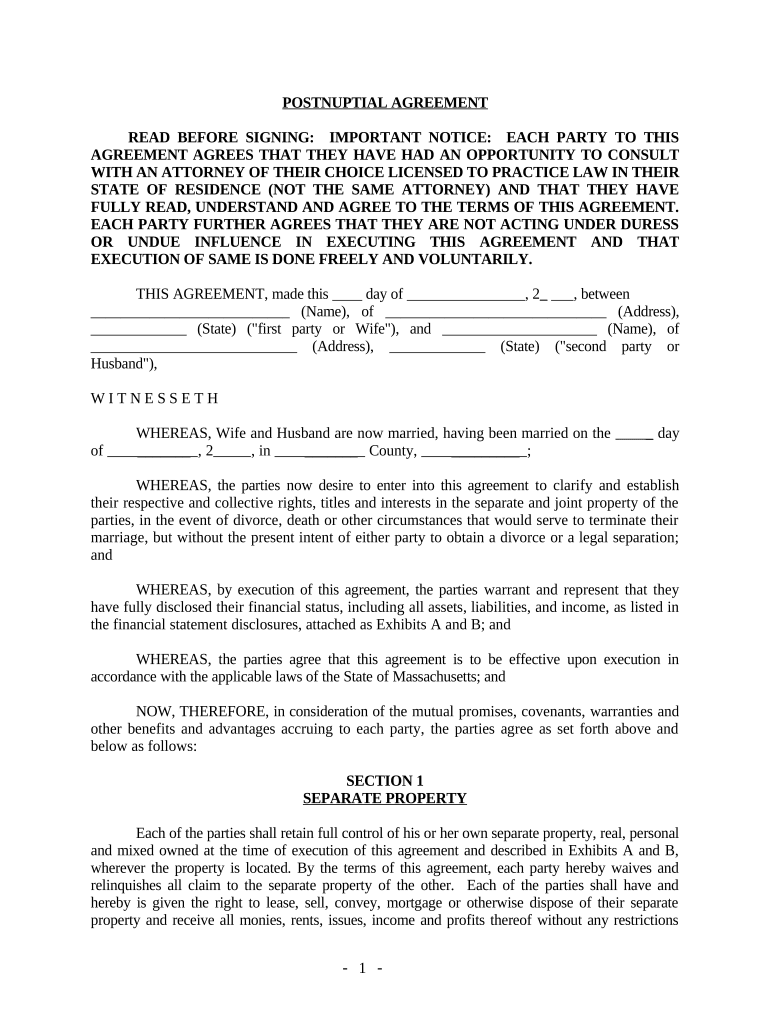
Postnuptial Property Agreement - Massachusetts - Massachusetts Preview on Page 1

Here's how it works

01. Edit your form online
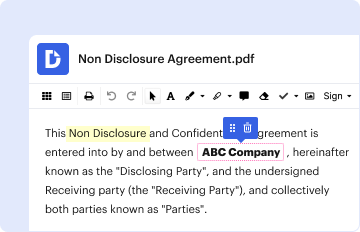
Type text, add images, blackout confidential details, add comments, highlights and more.
02. Sign it in a few clicks
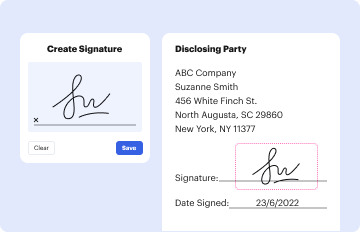
Draw your signature, type it, upload its image, or use your mobile device as a signature pad.
03. Share your form with others
Send it via email, link, or fax. You can also download it, export it or print it out.

How to use or fill out Postnuptial Property Agreement - Massachusetts with our platform

Form edit decoration
9.5
Ease of Setup
DocHub User Ratings on G2
9.0
Ease of Use
DocHub User Ratings on G2
  1. Click ‘Get Form’ to open the Postnuptial Property Agreement in the editor.
  2. Begin by entering the date of the agreement and the names and addresses of both parties at the top of the document.
  3. In Section 1, clearly outline each party's separate property. Use Exhibits A and B to list all assets owned prior to execution.
  4. Proceed to Section 2 to define joint property. Specify any property that will be considered joint, ensuring clarity on ownership.
  5. In Section 3, address separation and divorce terms. Indicate how property will be divided in case of separation or divorce.
  6. Complete Sections 4 through 15 by filling in details regarding debts, waivers, voluntary gifts, and any additional clauses as necessary.
  7. Finally, ensure both parties sign the agreement and have it notarized as required for legal validity.

Start using our platform today for free to streamline your Postnuptial Property Agreement process!

be ready to get more

Complete this form in 5 minutes or less

Get form

Got questions?

We have answers to the most popular questions from our customers. If you can't find an answer to your question, please contact us.
Contact us
Possible cons of postnuptial agreements include: Potential for creating mistrust or tension in the relationship. Emotional stress during negotiation. Limitations on future financial flexibility. Invalidation risks due to improper drafting or execution. Risk of outdated terms without regular updates.
A postnuptial agreement may be valid when a couple signs it after fully disclosing their debts, properties, and assets. California requires both spouses to seek advice from independent legal counsel or to waive the right to seek that advice before they sign a postnuptial agreement.
In Massachusetts, postnuptial agreements are valuable tools for married couples looking to protect their assets, define their financial responsibilities, and plan for the future. These legally binding contracts cover many issues, providing transparency and peace of mind within a marriage.
Any concealment, deception, or fraud will likely result in the postnuptial agreement being invalidated in court. Family law courts must also believe that the agreement is fair. If a judge believes that the postnup is significantly biased or unfair to one spouse, the document may not stand up in court.
They must be in writing and voluntarily signed by both parties. They require full disclosure of all assets and liabilities. Each party must have independent legal counsel. The agreements must be fair and reasonable at the time they were executed and must not leave one party impoverished.

Security and compliance

At DocHub, your data security is our priority. We follow HIPAA, SOC2, GDPR, and other standards, so you can work on your documents with confidence.

Learn more
ccpa2
pci-dss
gdpr-compliance
hipaa
soc-compliance

People also ask

How Much Does a Postnuptial Agreement Cost in California? The average cost (i.e., legal fees) for a California lawyer to draft a postnuptial agreement is $940 [1] on a flat fee basis. The average cost for a California lawyer to review a postnuptial agreement is $500 [2] on a flat fee basis.

Related links