
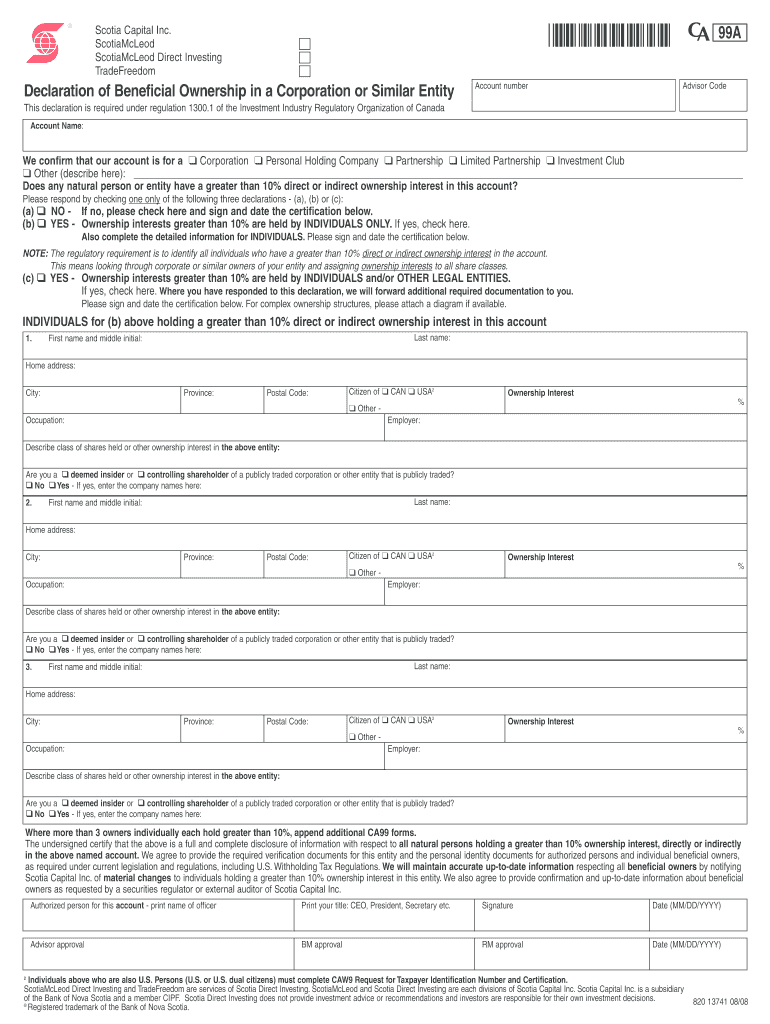







Definition and Importance of Corporate Ownership Structures
Corporate ownership structures refer to the legal framework that outlines the ownership and control of a company. This structure typically includes the following components:
- Types of Ownership: Ownership can vary between sole proprietorships, partnerships, corporations, and limited liability companies (LLCs). Each type has distinct legal implications, tax liabilities, and operational frameworks.
- Shareholder Rights: Shareholders may have different classes of shares, which can affect voting rights and distribution of profits. Understanding these rights is crucial for both owners and investors.
- Control Mechanisms: In corporate entities, ownership structures dictate who has control over major business decisions, including management roles and corporate governance policies.
Establishing an appropriate corporate ownership structure is vital for compliance with legal requirements and optimizing tax liabilities. It can significantly influence a company’s strategic decisions, investor relations, and overall operational efficiency.
Steps to Complete Corporate Ownership Structures
Completing corporate ownership structures involves multiple steps, from initial planning to formalizing the structure. Here is a structured approach to facilitate proper setup:
-
Identify Ownership Goals: Determine the objectives behind establishing the ownership structure. Consider aspects like raising capital, tax implications, and operational control.
-
Select Business Entity Type: Choose the appropriate entity type based on your business objectives:
- LLC: Offers flexibility and personal liability protection.
- Corporation: Suitable for raising equity from investors while providing limited liability.
- Partnership: Ideal for collaborations but may lack liability protection.
-
Draft Ownership Agreements: Create legal documents that outline each owner's rights, responsibilities, and contributions. This is essential for avoiding disputes.
-
Obtain Necessary Licenses and Permits: Depending on your state and type of business, acquire the requisite licenses to legitimize your operation.
-
File Required Documentation: Submit formation documents to the state. For example, Articles of Incorporation for corporations or Organization Certificates for LLCs.
-
Ongoing Compliance: Regularly review and update the ownership structure to reflect changes in ownership, business objectives, or legal requirements.
These steps ensure clarity and compliance when establishing corporate ownership structures, promoting smoother operations and legal adherence.
Essential Components of Corporate Ownership Structures
A comprehensive understanding of the key elements of corporate ownership structures is essential for effective management and compliance. The following elements are critical:
-
Beneficial Ownership: Identifying individuals or entities that ultimately control a majority stake in the company is vital for certain regulatory requirements, such as those imposed by the Bank Secrecy Act (BSA).
-
Voting Rights: Determine how voting rights will be distributed among owners. Different classes of shares can have unique voting privileges that impact decision-making processes.
-
Profit Distribution: Clearly define how profits will be distributed among shareholders. This can include dividends and other forms of profit-sharing.
-
Transferability of Shares: Consider how ownership interests can be transferred, whether through the sale, gift, or inheritance of shares. This impacts continuity and control within a corporation.
-
Documentation and Record-Keeping: Maintain thorough documentation of ownership structure, shareholder agreements, and meeting minutes. This is crucial for compliance with state and federal regulations.
Understanding these components helps businesses navigate ownership matters with respect to legal and financial responsibilities.
Legal Considerations for Corporate Ownership Structures
Legal compliance in establishing and maintaining corporate ownership structures is essential for protecting the interests of all stakeholders. Key legal considerations include:
-
State Regulations: Each state has distinct laws governing corporate structures. Familiarity with local regulations is crucial to ensure compliance and avoid penalties.
-
Securities Laws: When selling shares, businesses must comply with federal and state securities laws, which dictate how shares may be offered, sold, and reported.
-
Tax Obligations: Corporations must understand tax implications tied to their ownership structure, including potential double taxation on dividends for C Corporations and pass-through taxation for S Corporations.
-
Disclosure Requirements: Some jurisdictions mandate that companies disclose beneficial ownership information to increase transparency and combat financial crimes.
-
Liability Protection: Properly structured ownership can provide personal liability protection for business owners, shielding their personal assets from business debts and legal claims.
Adhering to these legal considerations ensures the corporate entity remains compliant with national standards and local regulations while safeguarding the interests of all parties involved.
Examples of Corporate Ownership Structures
Understanding practical examples of corporate ownership structures can illuminate how they function in real-world scenarios. Here are pertinent examples:
-
Single Member LLC: A business owned by a single individual who retains full control and liability protection. Often chosen by freelancers or sole proprietors looking to limit personal liability while maintaining straightforward tax options.
-
S Corporation: Allows a corporation to pass income directly to shareholders, avoiding double taxation. This structure is favored by small businesses to optimize tax liabilities while achieving corporate benefits.
-
Partnership: Two or more individuals collaborate, sharing profits and managerial duties. Partnerships can be informal but should have a written partnership agreement to clarify roles and profit-sharing.
-
C Corporation: Often used by larger businesses seeking venture capital. They issue shares and face double taxation but allow for unlimited growth potential through equity financing.
-
Limited Partnership: Comprises general partners, who manage the business, and limited partners, who only invest capital. This structure is useful in real estate and investment funds where control is strategically allocated.
These examples illustrate various ownership structures, providing insights into their applications and how they influence business operations and governance.




